





The Timeless Appeal of Flower Petals
Using fresh flower petals is perhaps the most vibrant and fragrant way to create an eco-friendly rangoli. Marigolds, with their brilliant orange and yellow hues, are a festive favourite, but don't stop there. Rose petals offer shades of red and pink,
while jasmine adds delicate white touches and a beautiful scent. You can arrange whole flowers, or just the petals, to fill in designs. This method creates a rangoli with wonderful texture and depth. Remember that floral rangolis look their best for a day or two, making them a perfect, ephemeral celebration of the moment. Once the festivities are over, the petals can be easily composted, returning to the earth without a trace.
The Sacred Base of Rice Flour
Rice flour is the traditional and most fundamental ingredient for rangoli. Its clean white colour provides the perfect canvas or outline for any design. Traditionally, using rice flour was also an offering, a way to feed ants and small insects, beautifully integrating the art form into the cycle of life. You can use it dry, letting its slightly granular texture flow smoothly from your fingers. For a different effect, mix rice flour with water to create a paste, known as 'maakolam', which can be used to draw intricate, lasting lines that stay for days. It's a simple, meaningful, and entirely biodegradable option.
Colours from the Kitchen Spice Box
Your kitchen is a treasure trove of natural pigments. For a brilliant, auspicious yellow, nothing beats turmeric powder. Mix it with your rice flour base to create a warm, golden hue. For reds and pinks, you can use kumkum. These kitchen staples are not only non-toxic and safe for homes with children and pets, but they also connect the art of rangoli back to the heart of the home. You can also experiment with other spices like sandalwood powder for earthy tones or even used coffee grounds for a rustic brown texture.
Creating Dyes from Vegetables and Plants
For an even wider colour palette, you can create your own liquid dyes to mix with rice flour. Beetroot juice produces a stunning deep red or pink pigment. Simply extract the juice, mix it into flour to form a paste, and then spread it out to dry in the sun for a couple of days before grinding it into a fine powder. Similarly, spinach or coriander leaves can be blended to create a vibrant green dye. This does require some advance preparation, but the result is a set of completely customized, natural colours that are free from the synthetic chemicals found in many store-bought powders.
Textural Beauty with Grains and Pulses
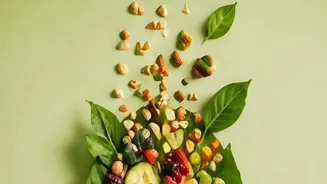
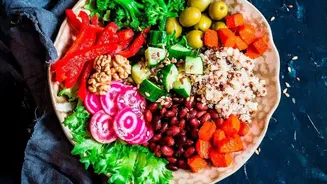
To add another dimension to your rangoli, incorporate various grains and pulses from your pantry. Different lentils can provide a spectrum of colours, from yellow moong dal and red masoor dal to green mung beans. Seeds and whole grains like millets can be used to create fascinating textures and patterns that turn your rangoli into a beautiful mosaic. This approach is not only sustainable but also incredibly creative, allowing you to play with both colour and form in a unique way. The varied shapes and sizes of the grains add an intricate, tactile quality to the design.
Simple Greens with Leaves
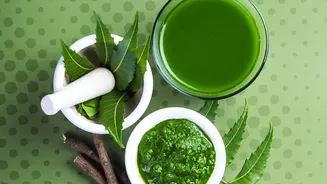
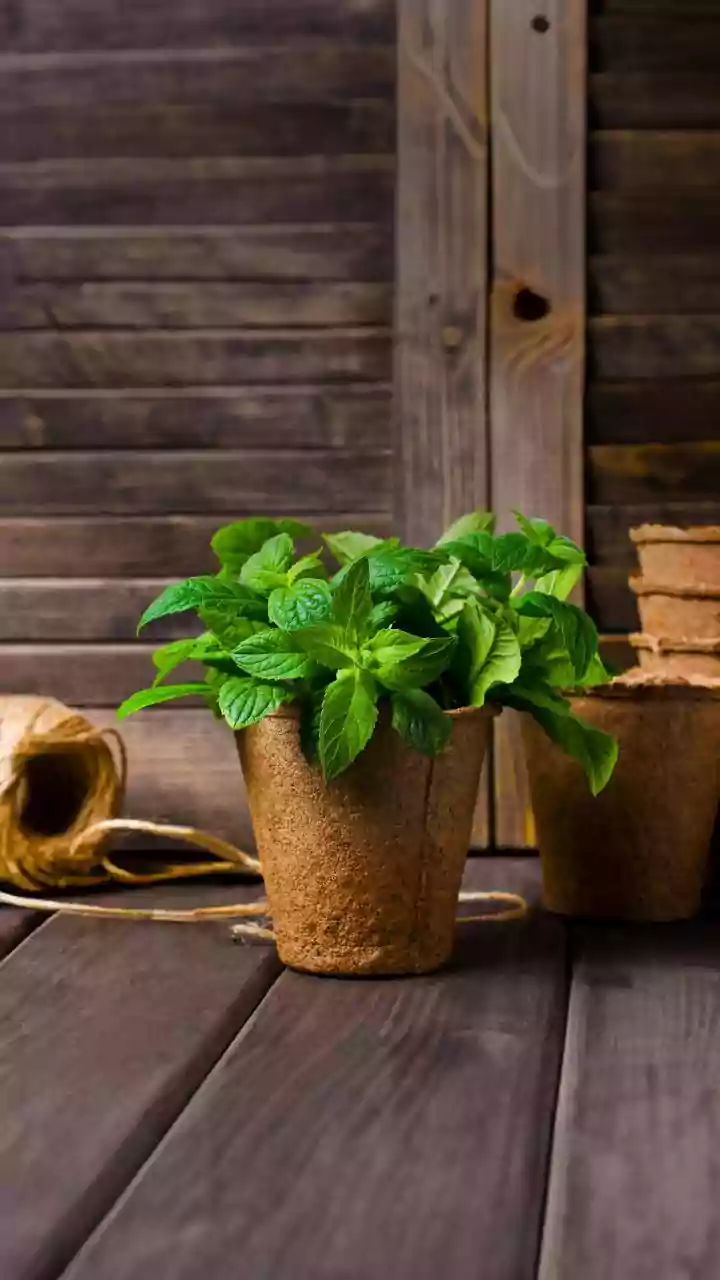
Don't forget the simple beauty of leaves. While creating a fine green powder from leaves can be time-consuming, using whole leaves for borders and accents is an easy and effective technique. Mango leaves, considered auspicious in many traditions, are perfect for outlining your design. You can also use neem or tulsi leaves to add different shapes and shades of green. This method adds a fresh, natural element that beautifully complements floral and powder-based designs, framing your artwork with a touch of living green.