





Why Does Afternoon Bloating Happen?
Afternoon bloating is that uncomfortable sensation of fullness, tightness, or a swollen belly that often strikes a few hours after lunch. It can happen for many reasons. Sometimes it’s the result of eating a large meal too quickly, which causes you to swallow
excess air. Other times, it's caused by the types of food you eat. Rich, fatty, or highly processed foods can be harder for your system to break down. Legumes, certain vegetables like cabbage and cauliflower, and carbonated drinks are also common culprits as they produce more gas during digestion. For many of us working desk jobs, sitting for long periods after eating can also slow down digestion, contributing to that sluggish, bloated feeling. While occasional bloating is normal, this simple, warm infusion aims to support your digestive process and provide gentle relief.
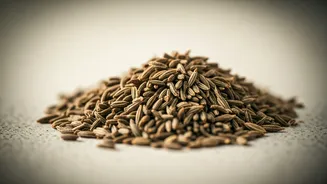
The Power of Cumin (Jeera)
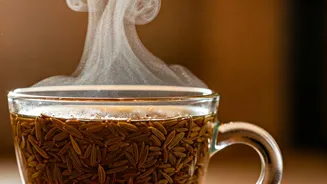
Cumin, or jeera, is more than just a staple spice in Indian cooking; it's a digestive aid with a long history in Ayurveda. Jeera is known to stimulate the secretion of digestive enzymes, which can help your body break down food more efficiently. This improved digestion means less opportunity for food to ferment in your gut, a common cause of gas and bloating. Furthermore, cumin is considered a carminative, which is a substance that helps prevent the formation of gas or facilitates its expulsion. The active compounds in cumin, such as cuminaldehyde, are believed to have a soothing effect on the stomach, helping to calm an irritated digestive tract. When you drink warm jeera water, you’re essentially delivering these beneficial compounds in a form that’s easy for your body to absorb.
The Soothing Nature of Fennel (Saunf)
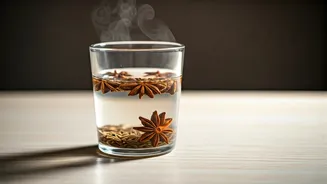
Fennel seeds, or saunf, are what many of us reach for after a heavy meal, and for good reason. Like cumin, fennel is a powerful carminative. Chewing on a few seeds or drinking fennel-infused water can help relax the smooth muscles of the gastrointestinal system, which can relieve cramping and allow trapped gas to pass more easily, reducing that feeling of pressure and bloating. The compounds in fennel, particularly anethole, are also thought to have anti-inflammatory properties. This can be especially helpful if your bloating is accompanied by general stomach discomfort or irritation. By combining it with cumin, you get a synergistic effect—cumin helps speed up digestion while fennel soothes the system and eases gas.
How to Prepare Your Digestive Water
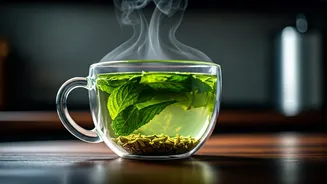
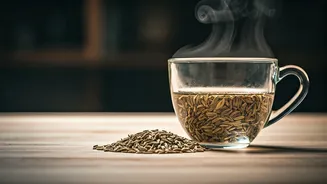
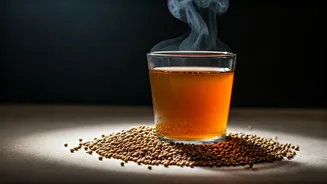
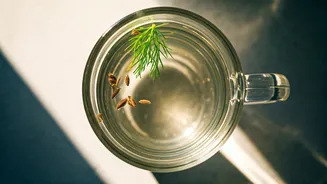
Making this beneficial drink is incredibly simple. You don't need any special equipment—just a saucepan, water, and the two key spices. Here’s a basic recipe you can adjust to your taste: **Ingredients:** - 2 cups of water - 1 teaspoon of cumin seeds (jeera) - 1 teaspoon of fennel seeds (saunf) - A small piece of ginger (optional, for extra digestive power) - A pinch of black salt (kala namak) (optional, for taste and minerals) **Instructions:** 1. Pour the water into a small saucepan and bring it to a boil. 2. Once boiling, add the cumin seeds and fennel seeds. If you're using ginger, add a few thin slices now. 3. Reduce the heat and let the water simmer for about 5-7 minutes. You’ll notice the water turning a pale, yellowish-brown colour as the spices infuse. 4. Turn off the heat and strain the water into a mug. 5. If desired, add a tiny pinch of black salt for flavour. Let it cool slightly until it's warm, not scalding, before drinking.
When and How to Drink It
For best results in tackling afternoon bloating, timing is key. The ideal time to drink this warm water is about 30-45 minutes after you finish your lunch. This gives your body a head start on digestion before the infusion comes in to support the process. Sipping it slowly while it's warm is more effective than gulping it down cold. Avoid drinking it immediately after your meal, as consuming too much liquid right after eating can dilute your stomach's digestive juices. You can also prepare a larger batch in the morning and keep it in a thermos to sip throughout the afternoon. Consistency is important; making this a regular part of your post-lunch routine can lead to more noticeable and sustained benefits for your overall digestive comfort.