







The New Lunar Delivery Service
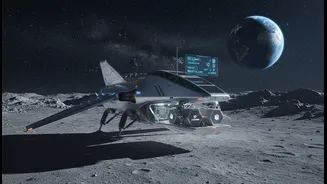
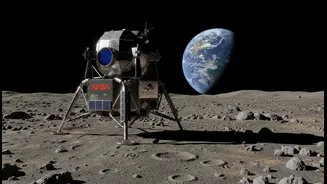
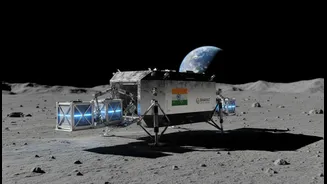
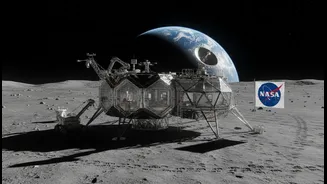
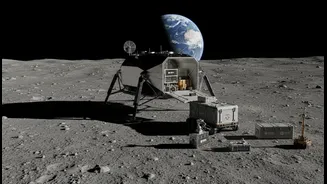
NASA's strategy for building a sustained presence on the Moon hinges on a program called Commercial Lunar Payload Services, or CLPS. The concept is straightforward: instead of building its own billion-dollar landers for every mission, NASA acts as a customer,
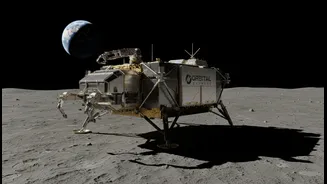
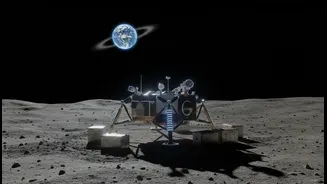
buying delivery services from a pool of American companies. These companies, including firms like Intuitive Machines and Firefly Aerospace, build and operate their own robotic landers, with NASA as their primary client. The program's goal is to foster a new commercial ecosystem, driving down costs and increasing the frequency of missions to the lunar surface. To date, NASA has awarded contracts for numerous missions, carrying dozens of scientific and technological payloads to diverse lunar locations. After some early missions in 2024 saw mixed results, with one failure and one lander that tipped over, the program has since seen successful touchdowns, proving the basic model can work.
Science Is the Driving Force
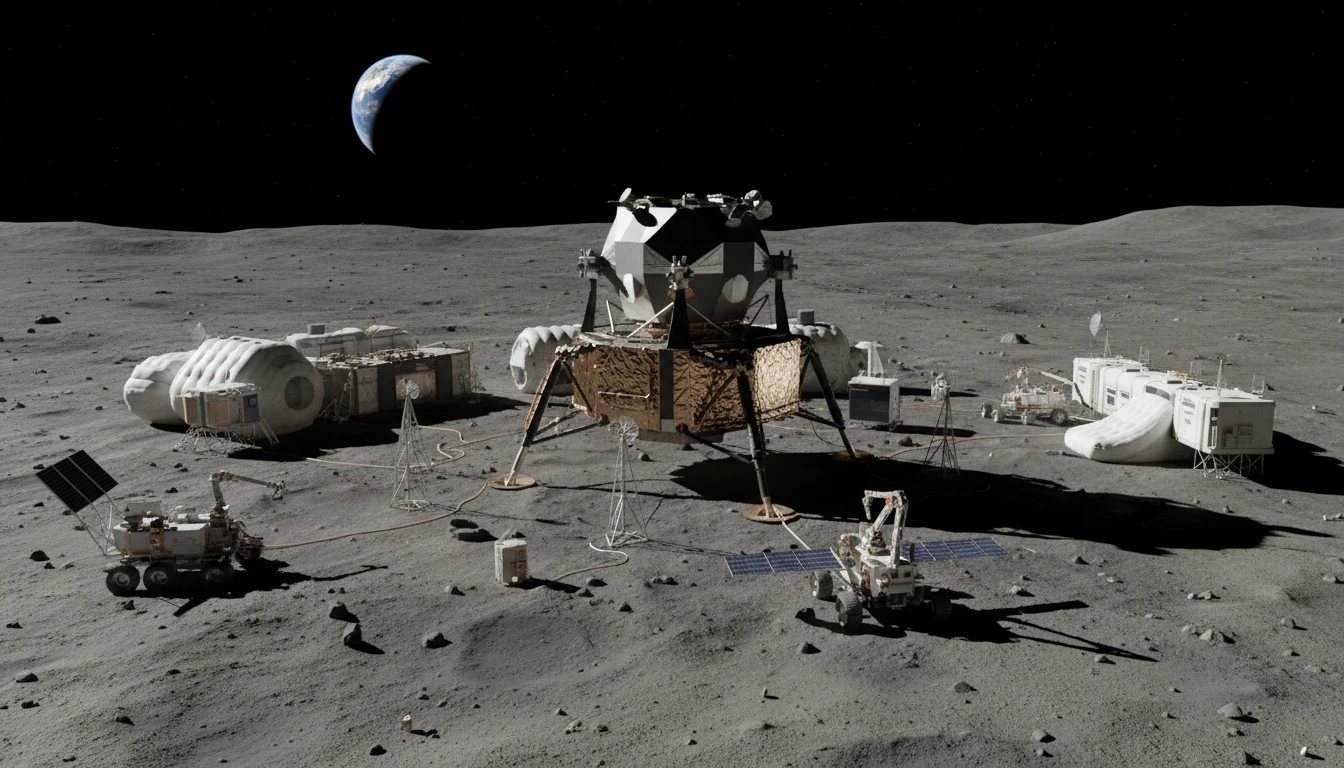
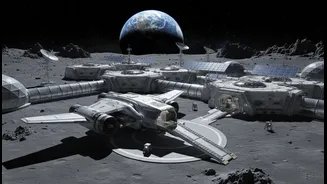
The primary cargo on these commercial landers consists of NASA's scientific instruments. These payloads are designed to answer fundamental questions about the Moon in preparation for the return of astronauts under the Artemis program. Instruments are dispatched to measure the Moon's internal heat flow, analyze the composition of lunar soil (regolith), scout for water ice at the south pole, and study the local radiation environment. Every delivery is a step toward understanding how to live and work sustainably on another world. Recent contract awards in 2026 have continued this trend, with NASA paying companies hundreds of millions to deliver rovers and scientific stations to the Moon in the coming years. This flurry of activity is essential for achieving NASA's goal of establishing a permanent lunar base, but the focus remains squarely on the agency's own scientific and exploration objectives.
The Unproven Business Case
Herein lies the central uncertainty that NASA's science push cannot resolve: the lack of a commercial market beyond NASA itself. The CLPS initiative has successfully proven that private companies can, with significant government investment, land on the Moon. What it hasn't proven is that there's a profitable business in doing so. Currently, NASA is the anchor tenant and, in most cases, the only major customer. A true commercial market requires multiple buyers with diverse needs, but the existence of other customers remains largely hypothetical. Projections of a future lunar economy often cite potential industries like resource extraction (lunar water ice for rocket propellant), tourism, or private research, but none of these have materialized into paying customers yet. The high cost and immense risk of failure, demonstrated by early CLPS missions, make it a difficult proposition for private investors without the backing of a government contract.
One Customer Does Not Make a Market
The success of the CLPS program is currently measured by mission accomplishments and scientific data returned, not by commercial revenue from non-government sources. This creates a subsidized ecosystem, where companies build landers tailored to NASA's specifications because NASA is the one writing the checks. For a self-sustaining lunar economy to emerge, these companies need other clients. Will other nations pay for a ride-share to the Moon? Will private research consortiums or media companies buy payload space? So far, the demand is minimal. This is the fundamental limit of NASA's current approach. While the agency is successfully catalyzing technological development and achieving its own science goals, it is not yet creating a competitive marketplace where companies vie for a variety of customers. The entire model still hinges on the continuation of public funding, which NASA has signaled will increase, with the CLPS contract ceiling being raised to $4.2 billion.