


A New Culinary Dialogue
Across Mumbai, Delhi, Bengaluru and beyond, a quiet revolution is taking place on dinner plates. The clumsy, often confusing, fusion food of the past is making way for a more thoughtful and sophisticated approach. Today's leading chefs are crafting a new
narrative for Indian food, one that respects deep-rooted regional traditions while confidently borrowing techniques and formats from around the world. This isn't about diluting Indian flavours for a global palate; it's about elevating them. Think idli transformed with Japanese sushi-style plating, tacos filled with tandoori-spiced meats, or a traditional rasam presented with a delicate French foam. This movement represents an ever-evolving dialogue between tradition and innovation, creating a genre that is a powerful expression of culinary creativity.
What’s Driving the Trend?
Several factors are stirring this creative pot. Firstly, the Indian diner has changed. Exposure to global travel and food media has cultivated a more adventurous and discerning palate, creating a demand for new experiences. Secondly, a new generation of Indian chefs, many with training in kitchens across Europe, America, or Japan, are returning home. They bring with them global techniques but possess a renewed passion for the micro-cuisines of their homeland. There's a growing pride in showcasing the incredible diversity of India's regional fare, from the coastal spices of Kerala to the smoky flavours of Nagaland. Lastly, this movement is an expression of a new cultural confidence. Chefs are no longer seeking external validation but are setting their own terms, defining what modern Indian food can be.
From Plate to Palate
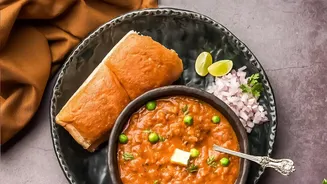
The proof, as they say, is in the pudding—or in this case, the masala mac and cheese. Restaurants are increasingly showcasing inventive dishes that bridge culinary worlds. You might find a butter chicken pizza, which uses a beloved curry as a base for an Italian classic, or masala burgers that infuse Indian spices into a global favourite. Some chefs are exploring Indo-Mexican ideas like tandoori chicken tacos, while others are playfully deconstructing street food, as seen in pav bhaji dips or samosa pinwheels. Even fine dining isn't immune. Establishments like Indian Accent have built a global reputation by playfully reinventing dishes, creating an experience that is experimental yet full of familiar tastes. The use of global ingredients like miso to complement tamarind, or the adoption of Nordic minimalism in plating, showcases a thoughtful blending of cultures.
More Than a Passing Fad
While some critics might dismiss this as trend-chasing, the best chefs in this space are deeply committed to authenticity and flavour. This isn't just about creating Instagram-worthy dishes like wasabi gulab jamuns; it's about respecting the roots of a dish while giving it a new context. The movement focuses on flavour first, ensuring that any global twist enhances, rather than overpowers, the original Indian spirit. Pioneers like the late Floyd Cardoz and others challenged stereotypes of 'curry-house' cuisine decades ago, paving the way for today's refined and cosmopolitan creations. The trend has even trickled down to the bustling street food scene, where vendors are creating novelties like pav bhaji infused with Mexican spices or kathi rolls with a Mediterranean twist.