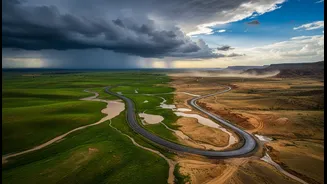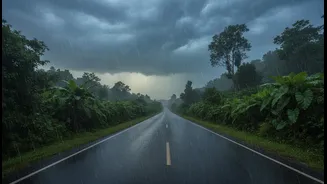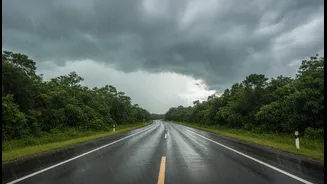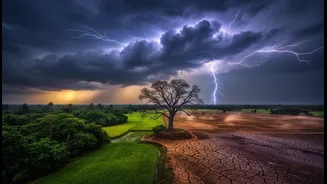



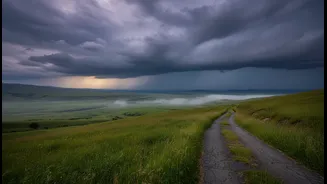



The 2021 Monsoon Has Arrived
The Southwest Monsoon is currently active across large parts of the country. According to the India Meteorological Department (IMD), conditions are favourable for the monsoon to cover the entire country within the next few days, with its advance into
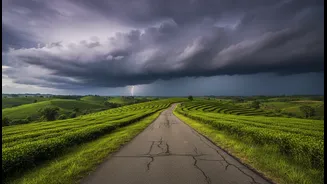
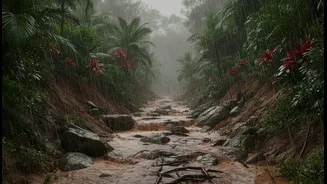
the remaining parts of northwest India. Heavy to very heavy rainfall has been forecast for numerous states, including Himachal Pradesh, Uttarakhand, Uttar Pradesh, Bihar, West Bengal, and Sikkim, as well as southern states like Kerala and Karnataka. Central India, including Madhya Pradesh, and the west coast, particularly Konkan and Goa, are also expected to see intense monsoon activity. This widespread rain increases the risk of travel disruptions like delays, waterlogging, and in hilly areas, landslides.
Why Your Deposit is at Risk
The idyllic monsoon getaway can quickly become a logistical nightmare if a destination becomes inaccessible or a booking is cancelled. Many travellers pay deposits or even the full amount for hotels and tour packages upfront. However, if severe weather forces you to cancel, you may find that these payments are non-refundable. Traditional travel bookings often come with strict cancellation policies, and unless you've specifically opted for a flexible rate, you could lose your money. The risk is not just about a ruined holiday; it's about the financial loss incurred when unpredictable weather changes your plans.
Go Beyond a Simple Weather App
Checking a standard weather forecast is a good start, but for monsoon travel, you need more detailed information. Before booking, consult the IMD website for district-level warnings and multi-day forecasts. These bulletins provide specifics on expected rainfall intensity, from heavy to extremely heavy, and issue alerts for thunderstorms or flash floods. Also, research the specific destination's monsoon history. Hill stations in the Himalayas, for instance, are more prone to landslides during heavy rain, while coastal areas face risks from rough seas. Local news outlets and tourism forums can offer real-time insights into on-ground conditions that a national forecast might miss.
The Smart Traveller's Booking Strategy
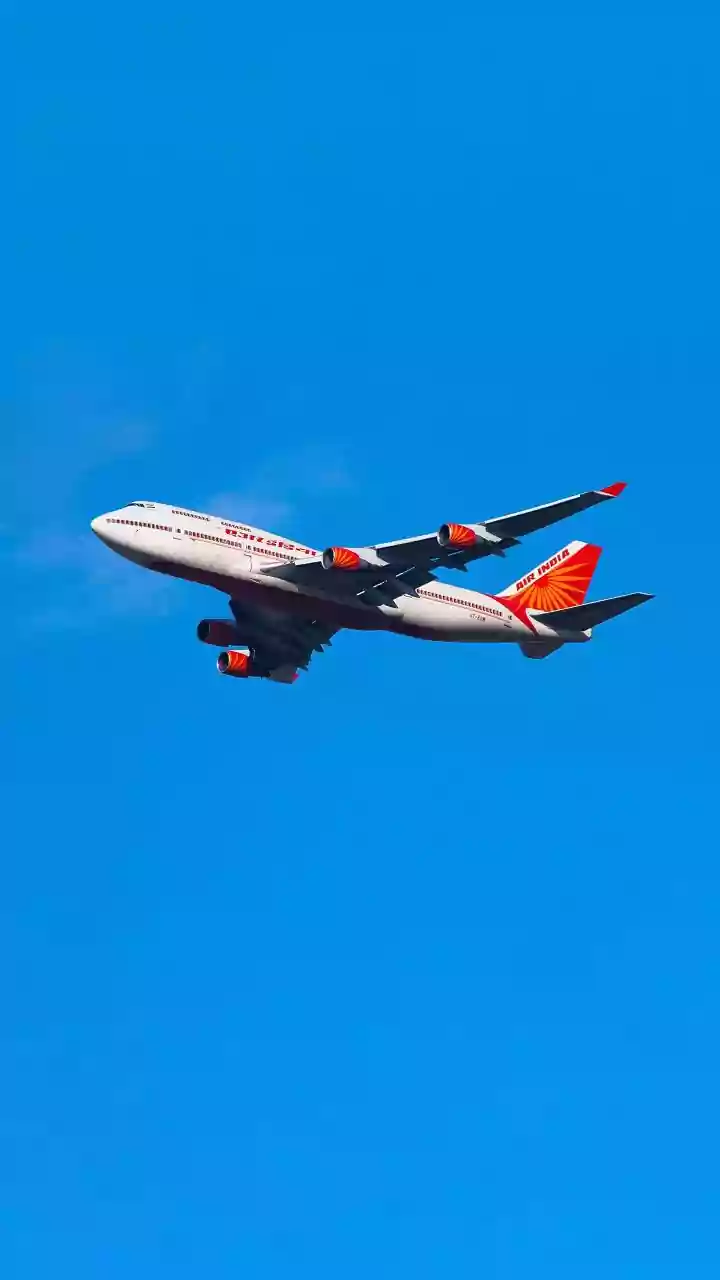
Flexibility is your best friend during monsoon. When booking flights and hotels, look for 'flexible' or 'flexi-fare' options. These may cost slightly more upfront but allow you to change dates or cancel with minimal penalties, which can be a financial lifesaver. Many airlines like IndiGo and Air India, and numerous hotel chains, now offer such options to attract monsoon travellers. Read the fine print of any booking. Understand the cancellation policy fully before you pay. Look for terms like 'free cancellation up to 48 hours before check-in'. If the policy is unclear or rigid, it might be wise to look elsewhere, especially for destinations under a heavy rainfall warning.
Does Travel Insurance Cover Monsoon Woes?
Travel insurance can be a valuable safety net, but it's crucial to understand what is covered. A standard trip cancellation policy may reimburse your non-refundable costs if you have to cancel for a covered reason, which can include natural disasters or severe weather events making a destination uninhabitable. However, simply cancelling because of rain is usually not a valid reason. Flight cancellations or significant delays due to weather are often covered under specific 'flight delay' or 'flight cancellation' clauses, which might reimburse you for added expenses like meals and accommodation. Always read the policy details to see how weather-related disruptions are defined and what documentation is needed to file a claim.
Embrace the Season Safely
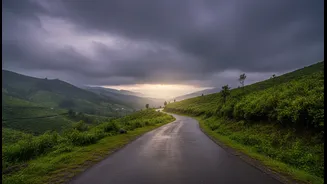
Despite the challenges, travelling during the monsoon can be magical, with lush landscapes, fewer crowds, and lower prices. Destinations like Rajasthan, which receives less intense rain, or parts of the Western Ghats like Munnar, become incredibly beautiful. The key is smart planning. Pack quick-drying clothes and waterproof gear. Build buffer days into your itinerary to account for potential delays and avoid overly tight connections. By taking these precautions—checking detailed forecasts, choosing flexible bookings, and understanding your insurance options—you can enjoy the beauty of the Indian monsoon without the financial stress.