







Discovering a UNESCO Gem
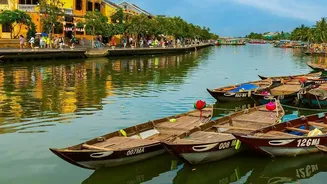
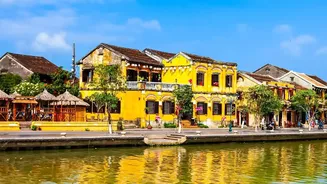
Hoi An's Ancient Town is a place that feels suspended in time. As a former trading port from the 15th to 19th centuries, its architecture is a stunning mix of Vietnamese, Chinese, and Japanese influences. In 1999, this exceptionally well-preserved town
was declared a UNESCO World Heritage site. The iconic saffron-yellow walls of the old shophouses, the absence of traffic, and the gentle pace of life make it a uniquely calming and picturesque destination. Wandering through its pedestrian-friendly streets, especially in the quiet of the early morning, is an activity in itself.
Navigating the Ancient Town
The best way to explore Hoi An's core is on foot or by bicycle. Motorized vehicles are restricted during set hours, making for a peaceful experience. While walking the streets is free, an entrance ticket is required to visit the historic sites, including ancient houses, museums, and the iconic Japanese Covered Bridge. This ticket helps fund the preservation of the town's precious heritage. For the best experience with fewer crowds and cooler temperatures, plan your exploration for the early morning or late afternoon.
The Magic of the Lanterns
As dusk falls, Hoi An transforms into a magical spectacle. Thousands of colourful silk lanterns illuminate the streets and are reflected in the Thu Bon River. This tradition descends from the merchant communities that settled here centuries ago. While lanterns light up the town every night, the monthly Lantern Festival is an even more enchanting experience. Held on the 14th day of each lunar month, the festival sees the town switch off its electric lights, relying solely on the glow of lanterns. A popular activity is to buy a small paper lantern and release it onto the river for good luck.
Beyond the Old Town Streets
While the Old Town is the main draw, Hoi An offers more to explore. A short bicycle ride will take you through lush green rice paddies and into the surrounding countryside. The nearby beaches, such as An Bang and Cua Dai, offer a relaxing break from sightseeing. You can also take a traditional basket boat ride through the water coconut palms or visit local craft villages like Kim Bong for carpentry and Thanh Ha for pottery. For a deeper dive into history, the My Son Sanctuary, another UNESCO site, is an easy day trip away.
A Taste of Hoi An
Hoi An's cuisine is a highlight for any visitor, reflecting its multicultural past. A must-try dish is Cao Lau, a unique noodle dish made with local water that you won't find anywhere else. Another local specialty is White Rose dumplings, delicate shrimp dumplings shaped like flowers. Be sure to also sample Hoi An's famous chicken rice (Com Ga) and the globally loved Banh Mi, a Vietnamese sandwich that many claim is the best in the country. For an authentic experience, pull up a plastic stool at a street food stall or visit the bustling Central Market.
Essential Planning Tips
The best time to visit Hoi An is during the dry season, from February to April, when the weather is warm and pleasant. The nearest airport is in Da Nang, about a 45-minute drive away. Most hotels are located just outside the pedestrianized Ancient Town, with many offering free bicycles for guests. While credit cards are accepted in many restaurants and hotels, it's wise to carry cash for street food, market shopping, and entrance tickets. Two to three days is a good amount of time to soak in the atmosphere and explore the main sights without rushing.