





A 'Below Normal' National Outlook
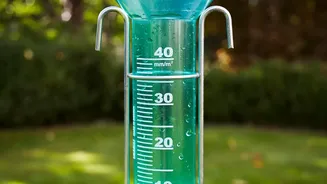
The IMD has predicted that rainfall for the second half of the monsoon season, spanning August and September, is likely to be 'below normal' for the country as a whole. This means that overall precipitation is expected to be less than 94% of the Long
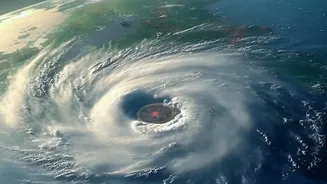
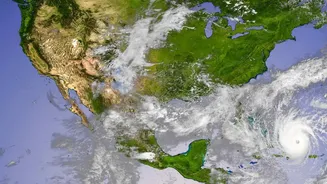
Period Average (LPA). This forecast is largely influenced by moderate El Niño conditions in the Pacific Ocean, which are expected to strengthen and are typically associated with weaker monsoon rains in India. While July saw a recovery with near-normal rainfall in many parts of the country, the outlook for August is also below normal, continuing a trend of uneven distribution this season.
The Story of Our Reservoirs
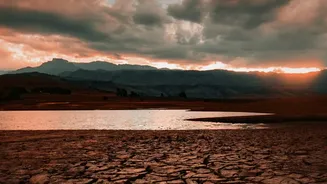
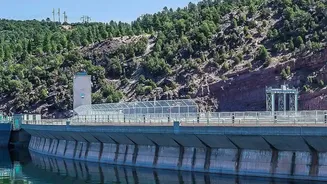
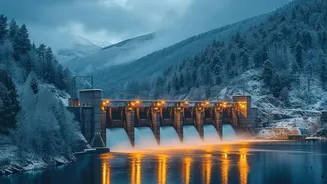
The upcoming rainfall is critical because of the current status of India's major water reservoirs. As of late July, the country's 166 major reservoirs were collectively holding only 44% of their total capacity. This is a significant concern, especially in the southern region, where storage was down to just 34% of capacity. The first half of the monsoon (June-July) left a cumulative rainfall deficit, and this has put immense pressure on water storage levels, which are lower than at the same time last year. The performance of the monsoon in August and September will directly determine the availability of water for agriculture, drinking water supplies, and power generation for the rest of the year.
A Tale of Different Districts
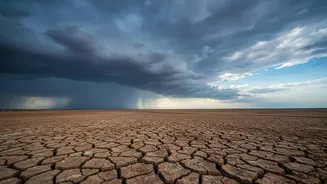
A national forecast of 'below normal' doesn't mean dry conditions for everyone. The IMD's prediction highlights significant regional variations. Normal to above-normal rainfall is still likely in some parts of Peninsular and Central India, northern parts of northwest India, and areas in the east and northeast. However, many other parts of the country are likely to face a deficit. This uneven pattern has been a hallmark of the 2026 monsoon, which has seen floods in some states while nearly half the country's districts experienced deficit rainfall in July. This means that while some districts will need to brace for potential water scarcity, others might still face risks of intense rainfall and localized flooding.
Monsoon's Mid-Term Report: June and July
To understand the importance of the next two months, we must look at the monsoon's performance so far. The season began with a significant deficit, but July brought some relief, with rainfall figures recovering to near-normal levels for the month thanks to active weather systems over central India. However, this recovery was not uniform and did not erase the early deficit entirely, with the cumulative rainfall for June and July remaining about 13-15% below the long-period average. This roller-coaster performance, with swings between intense wet spells and prolonged dry periods, has made the second half of the season even more critical for stabilizing the country's agricultural and water situation.
What This Forecast Means for You
This forecast is a call for preparedness at both the individual and administrative levels. For farmers, particularly in rain-fed agricultural belts, the 'below normal' prediction suggests a need for careful water management and crop planning. For residents in cities, the state of the reservoirs is a direct indicator of potential water restrictions later in the year. While some regions may get relief, the overall trend points towards a need for water conservation. The forecast also indicates that temperatures, both maximum and minimum, are likely to be above normal across most of the country in August, which can increase water demand. It is essential to follow local advisories from district administrations, as the ground reality can differ significantly from the national picture.