




The Rise of the 'Skintellectual'
A quiet revolution has been reshaping India's beauty landscape. The modern consumer, particularly the digitally-savvy Gen Z, is no longer just a passive buyer; they are a 'skintellectual'. [9] Armed with endless information from social media, expert influencers,
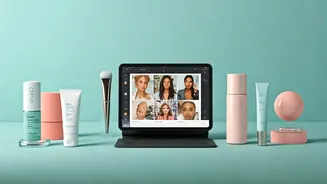
and brand transparency, shoppers are reading ingredient lists with the same focus once reserved for exam results. [18] This new-found fluency in terms of active ingredients, from hyaluronic acid to niacinamide and retinoids, means that marketing claims are no longer taken at face value. A recent report highlighted a significant rise in consumer interest in clinically backed skincare and ingredient-led formulations, especially among younger shoppers. [2] This shift is not just happening in metros; two out of every three beauty-related searches on a major e-commerce platform now come from non-metro areas. [2, 19] The demand for 'what works' has gone mainstream.
From Price Tags to Percentages
The conversation has moved from 'how much does it cost?' to 'what percentage of active ingredient does it contain?'. Consumers now understand that the effectiveness of a product often lies in its formulation and the concentration of key ingredients. [7] This has put immense pressure on affordable brands that once competed solely on price. The 'dupe' culture, which celebrated cheaper lookalikes of luxury products, is evolving. While affordability is still attractive, a dupe is no longer desirable if it doesn't deliver similar results. The savvy consumer knows that a lower price can sometimes mean a compromised or less potent formula. [13] As one market analyst put it, today's consumer is too smart to buy a second bottle of something that didn't deliver, regardless of the price. [20] This forces brands to justify their value proposition with more than just a tempting price. [20]
Proof is the New Promise
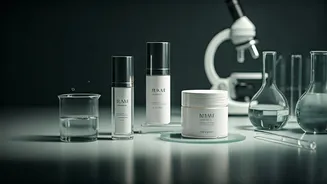
In this new environment, brands are learning that 'proof is the new promise'. Vague marketing language like 'revitalising' or 'glow-boosting' is being replaced by hard data and transparent science. [15] Consumers are increasingly looking for terms like 'clinically tested', 'dermatologically-approved', and clear ingredient lists that explain what each component does. [10] This shift towards evidence-based efficacy is a significant driver in the Indian skincare market. [15] Brands that are succeeding in this space are the ones focusing on high-quality ingredients and backing up their claims with research. [7] The 'masstige' category—mass-market products with prestige performance—is where the real battle is being fought. These brands anchor their value in formulation integrity and performance rather than just a low price or luxury branding. [20]
What This Means for Your Beauty Shelf
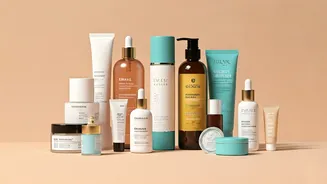
For the average consumer, this power shift is overwhelmingly positive. It means that affordable brands are being held to a higher standard, resulting in better, more effective products at accessible price points. It's no longer necessary to believe that a higher price tag automatically equals higher quality. [21] Key ingredients that do the heavy lifting in skincare—like glycerin, ceramides, and hyaluronic acid—are not inherently expensive. [21] The challenge for brands was to formulate them effectively and deliver them in a stable, accessible product. Now, driven by consumer demand, they are rising to that challenge. This trend empowers you to build a highly effective skincare or makeup routine without breaking the bank. By focusing on products that are transparent about their ingredients and are backed by evidence, you can make smarter choices that deliver real, visible results. [11]