


Understanding Indoor Winter Pollution
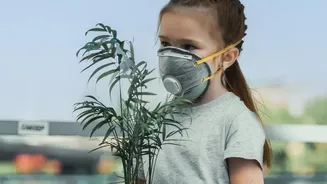
When outdoor pollution spikes, our homes are not the safe havens we assume them to be. Pollutants seep in, and indoor activities add to the problem. We seal our windows and doors to keep the cold out, trapping volatile organic compounds (VOCs) inside.
These toxins, like formaldehyde and benzene, are released from everyday items like paint, furniture polish, cleaning agents, and even cooking. During winter, with reduced ventilation, the concentration of these harmful gases can be two to five times higher indoors than outdoors, contributing to headaches, allergies, and respiratory irritation.
Snake Plant (Sansevieria trifasciata)
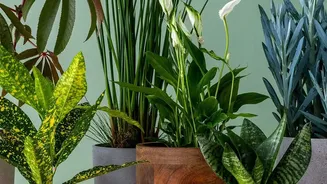
Often called the 'bedroom plant', the Snake Plant is arguably the easiest and most resilient air purifier you can own. It's a star performer from the famous 1989 NASA Clean Air Study, known for its ability to filter formaldehyde, xylene, and benzene. What makes it unique is its ability to convert carbon dioxide into oxygen at night, unlike most other plants. This makes it an ideal companion for your bedroom, working quietly while you sleep. It thrives on neglect, tolerates low light, and requires infrequent watering, making it perfect for beginners and busy households in Delhi.
Areca Palm (Dypsis lutescens)
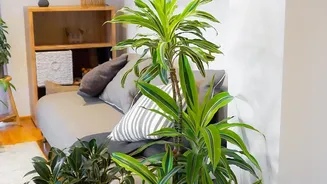
With its lush, feathery fronds, the Areca Palm brings a tropical vibe to any room while working hard to clean the air. It is particularly effective at removing toxins like xylene and toluene. More importantly for Delhi's dry winters, it's a fantastic natural humidifier, releasing moisture into the air. This can help soothe sinuses and reduce respiratory discomfort aggravated by dry, polluted air. Place it in a bright corner with indirect sunlight and keep the soil consistently moist to help it thrive.
Money Plant (Epipremnum aureum)
The ubiquitous Money Plant, found in millions of Indian homes, is more than just a symbol of good fortune. This hardy vine is a powerhouse when it comes to air purification. Highlighted in NASA's research, it is highly effective at removing formaldehyde and carbon monoxide from indoor environments. It is incredibly low-maintenance, capable of growing in both soil and water, and tolerates a wide range of lighting conditions. Its trailing vines can be styled on shelves or in hanging baskets, making it a versatile and functional decorative element.
Spider Plant (Chlorophytum comosum)
The Spider Plant is a fast-growing and incredibly easy-to-propagate option. It’s an excellent choice for homes with pets and children as it is non-toxic. NASA's study found it to be particularly effective at removing formaldehyde and carbon monoxide from the air. Its arching leaves and the little 'spiderettes' that dangle from the mother plant make it visually interesting. One healthy plant can make a noticeable difference in a smaller room and is a great starting point for anyone looking to build an indoor garden.
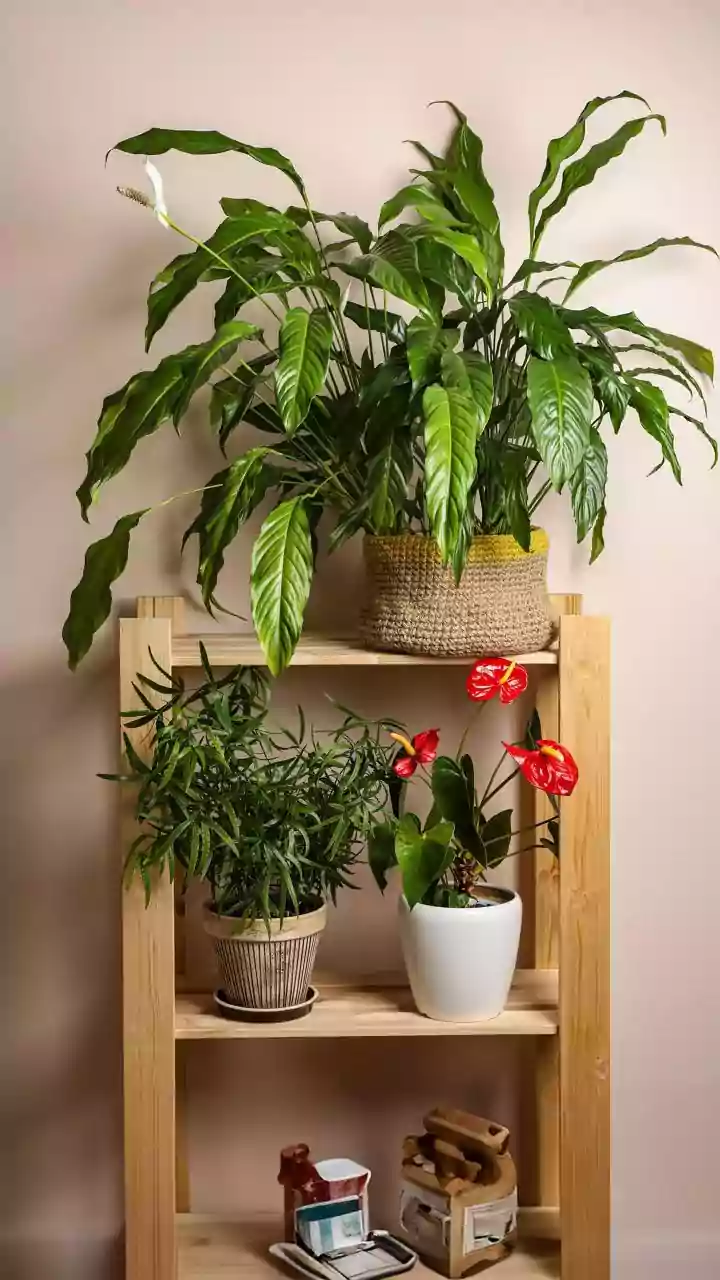
Peace Lily (Spathiphyllum)
For those who want flowers along with clean air, the Peace Lily is a perfect choice. It is renowned for its ability to filter a broad range of pollutants, including ammonia, benzene, and formaldehyde. Its elegant white blooms can thrive even in low-light conditions, adding a touch of sophistication to your home. It also has a high transpiration rate, which helps to humidify indoor air. Keep the soil moist and place it away from direct sunlight for the best results.
Setting Realistic Expectations
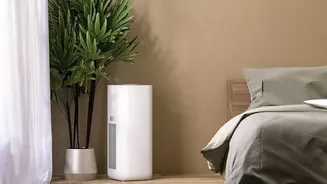
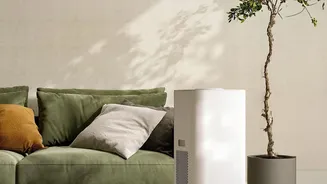
While these plants are proven to filter toxins in controlled lab settings, it's important to be realistic about their impact during severe pollution events. The original NASA study used sealed chambers, which don't fully replicate a home environment with natural air exchange. Recent analysis suggests you would need a very large number of plants to match the effectiveness of a mechanical air purifier. Think of houseplants as a natural, supplementary line of defence. They contribute to a healthier indoor ecosystem, boost humidity, and improve well-being, but they should be used alongside other measures like air purifiers and proper ventilation when the outdoor AQI is dangerously high.