






The Monsoon's Cleansing Effect
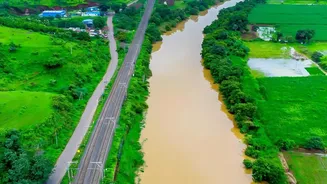
The monsoon season, typically from June to September, is India’s annual air quality reset button. The consistent rainfall acts as a natural scrubber, washing pollutants like dust and particulate matter out of the atmosphere. Stronger winds during this
period also help disperse pollutants, leading to some of the cleanest air and lowest Air Quality Index (AQI) readings of the year across the country. This is why the air feels so fresh and breathable during and immediately after a good rainy season.
The Calm Before the Pollution Storm
As the monsoon withdraws in late September and early October, the weather patterns that cleared the air begin to reverse. The winds die down, and the atmosphere becomes more stagnant. This lack of wind means that any pollutants emitted into the air are no longer effectively dispersed. They start to linger and accumulate closer to the ground. This atmospheric shift from dynamic monsoon conditions to a calmer, drier state sets the stage for the pollution that is to follow, creating a vulnerable period even before major new pollution sources kick in.
The Agricultural Factor: Stubble Burning
A major contributor to the post-monsoon pollution spike is agricultural stubble burning. In states like Punjab and Haryana, farmers have a very short window—often just a couple of weeks in October and November—to clear their fields of paddy residue before planting the next winter crop, wheat. Burning the leftover stubble is the fastest and cheapest method. This practice releases enormous plumes of smoke, particulate matter, and other toxins into the atmosphere. Prevailing northwesterly winds then carry this smoke across the entire Indo-Gangetic Plain, directly impacting the air quality in Delhi and surrounding regions.
The Urban Pollution Trap
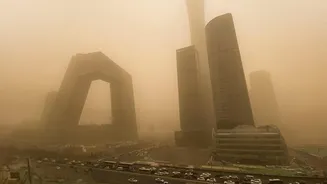
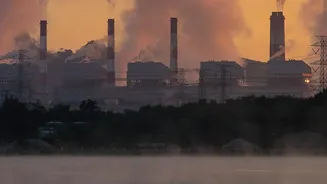
The smoke from farm fires does not exist in a vacuum. It drifts over cities that are already generating their own significant pollution from vehicle emissions, industrial activity, construction dust, and open waste burning. This combination is particularly potent. The incoming agricultural smoke mixes with the existing urban pollution, creating a dense, toxic smog that is far more severe than either source would cause on its own. While events like Diwali fireworks can cause sharp, temporary spikes, this baseline of mixed pollution sources is what creates the prolonged periods of unhealthy air.
Winter's Lid: Temperature Inversion
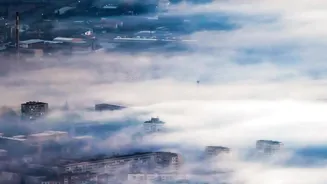
The final, crucial factor is a meteorological phenomenon called temperature inversion, which becomes common as winter sets in. Normally, air is warmer near the ground and gets cooler with altitude, allowing pollutants to rise and disperse. During a winter night, the ground cools rapidly, chilling the air just above it. This creates a situation where a layer of cooler air is trapped beneath a layer of warmer air above. This warm layer acts like a lid, preventing vertical mixing and trapping all the pollution—from traffic, industry, and farm fires—close to the ground. This is why smog often appears thickest in the early mornings and is what makes the pollution so persistent and hazardous during North India’s winter months.