







Beyond the Hotel Lobby
For years, tourism in India’s North-East often meant checking into a conventional hotel and following a fixed itinerary of viewpoints and landmarks. While this model provided comfort and predictability, a growing number of travelers are now seeking something
more. They are trading generic room service for home-cooked meals and swapping standardized tours for genuine cultural immersion. This shift is powered by a desire for authenticity—to not just see a place, but to live it, even if just for a few days. The result is a travel experience that is more personal and deeply connected to the unique rhythms of local life. This trend is about choosing a story over a sterile room, connection over convenience.
The Rise of the Homestay
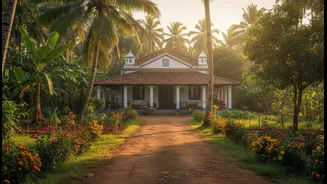
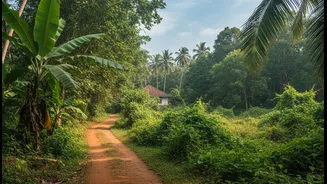
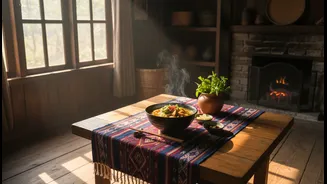
At the heart of this transformation is the homestay. From the lush valleys of Arunachal Pradesh to the cloud-covered hills of Meghalaya, local families are opening their doors to visitors. Staying in a homestay means your money directly supports the local economy, bypassing corporate intermediaries. Hosts often become informal guides, sharing insights into traditions, festivals, and hidden gems that no guidebook could ever capture. Government initiatives in states like Meghalaya and Sikkim are actively encouraging this trend, providing financial assistance and training to help families set up and manage their own homestays. This not only addresses accommodation shortages in remote areas but also empowers communities, creating sustainable livelihoods that help preserve their way of life.
A Journey for Your Taste Buds
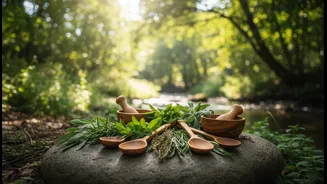
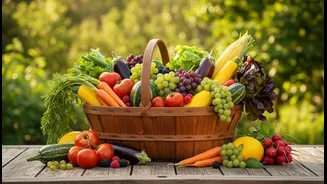
Alongside local stays, food has become a powerful new lens through which to experience the North-East. The region's cuisine is incredibly diverse, with each state and tribe offering its own unique flavours. Forget what you think you know about 'Indian food'; here, the focus is on fresh, seasonal, and locally sourced ingredients, with techniques like fermenting, smoking, and steaming taking centre stage. Travelers are now embarking on culinary tours, learning to cook traditional dishes like Nagaland's smoked pork with bamboo shoot, Assam's tangy fish curry 'Masor Tenga', or Meghalaya's 'Jadoh' rice. These food experiences go beyond the plate, offering a delicious entry point into the culture and agricultural heritage of the communities who have perfected these recipes over generations.
Why This Shift is Happening Now
Several factors are driving this change. Modern travelers, particularly younger generations, are increasingly searching for meaningful and unique experiences. They are more conscious of sustainable travel and want to ensure their tourism dollars benefit local people. The rise of social media has also played a role, allowing small, independent homestays and local food entrepreneurs to reach a global audience without a massive marketing budget. Furthermore, state governments have recognised the potential of community-based tourism to drive economic growth in a way that is both inclusive and environmentally responsible, leading to supportive policies and infrastructure development.