



Beyond the Dorm: What is a Heritage Hostel?
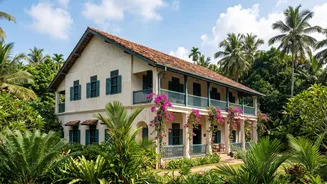
Forget the image of a crowded, basic dormitory. In Sri Lanka, the term 'hostel' has evolved. Many of the most charming and budget-friendly stays are actually heritage properties. Think restored colonial-era bungalows, traditional Sri Lankan homes, and whimsical
planters' cottages converted into welcoming spaces for travellers. These establishments, often family-run, offer a character and sense of place that a standard hotel room simply cannot match. You might find yourself staying in what was once a traditional Kandyan home or a Dutch-era building in Galle, complete with period details and lush gardens. This approach preserves the country's architectural history while providing a unique and affordable base for modern explorers.
The Real Cost Savings for Indian Travellers
The most obvious benefit is the price. A bed in a quality hostel or a private room in a heritage guesthouse can be significantly cheaper than a mid-range hotel, with nightly rates often starting from ₹800–₹1200. This allows your travel budget to stretch much further. The favourable exchange rate between the Indian Rupee (INR) and the Sri Lankan Rupee (LKR) already gives Indian tourists an advantage, and choosing this type of accommodation maximizes it. But the savings don't stop at the room rate. Many hostels offer communal kitchens, allowing you to prepare some of your own meals, which can drastically cut down on food costs. Free Wi-Fi, complimentary simple breakfasts, and filtered drinking water are also common perks that eliminate the small daily expenses that can quickly add up.
An Experience Richer Than Just a Bed
Staying in a heritage hostel is about more than just saving money; it’s about gaining a richer travel experience. These places are social hubs where you can connect with fellow travellers from around the world and share tips and stories. The local owners and staff are often a goldmine of information, offering insider advice on the best local eateries, hidden gems, and how to navigate public transport effectively—tips you won't find in a generic guidebook. This environment provides a more immersive cultural experience. Instead of being isolated in a hotel room, you become part of a small community, gaining a deeper understanding of Sri Lankan hospitality and daily life. Many properties are also set in stunning natural surroundings, from tea plantations in the Hill Country to jungle-adjacent properties near the coast.
How to Find These Unique Stays
Finding these gems is easier than you might think. While major booking platforms list many hostels and guesthouses, it’s worth digging a little deeper. Look for terms like “heritage bungalow,” “colonial stay,” “guesthouse,” or “villa” in popular tourist areas like Galle, Kandy, Ella, and Mirissa. Many of these are boutique-style properties that blend the social aspect of a hostel with the design of a more expensive hotel. Reading recent reviews from other travellers is crucial to understanding the atmosphere and amenities. Some hostels are known for being quiet retreats, while others are vibrant social hubs, so you can choose what best fits your travel style. Don't be afraid to look at options slightly outside the main tourist-heavy beach towns to find better deals and a more authentic experience.
Tips for the Indian Traveller
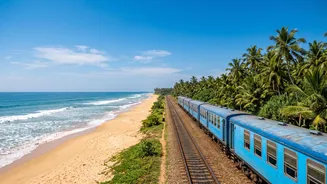
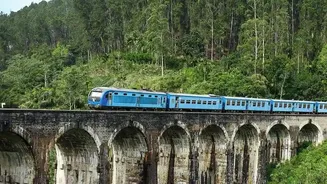
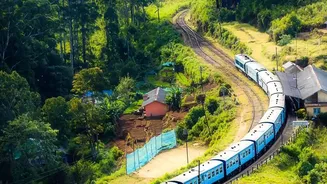
Sri Lanka is incredibly welcoming to Indian visitors, and staying in a hostel or guesthouse enhances this connection. The shared cultural threads and culinary similarities mean you'll often find familiar comforts. Many hostel cafes and local eateries nearby serve a variety of cuisines, including vegetarian and Indian-inspired dishes. Using public transport like the famously scenic trains and local buses is not only extremely economical but also a core part of the Sri Lankan travel experience that hostel culture encourages. By choosing a heritage hostel, you're not just cutting costs; you're opting for a smarter, more engaging, and ultimately more memorable way to explore the beautiful island of Sri Lanka.