



The Monsoon Challenge: Why Food Spoils Faster
The combination of warmth and excessive moisture in the air during the monsoon season accelerates the growth of harmful microorganisms like bacteria, fungi, and moulds. This humid environment means that cooked food, even when stored in the refrigerator,
is at a higher risk of contamination and spoilage. Every time you open the fridge door, moist, warm air enters, which can raise the internal temperature and introduce moisture, creating ideal conditions for bacteria to thrive. This makes following strict food safety practices more important than ever to prevent foodborne illnesses like food poisoning, gastroenteritis, and diarrhoea.
The Two-Hour Rule: Cooling and Storing Promptly
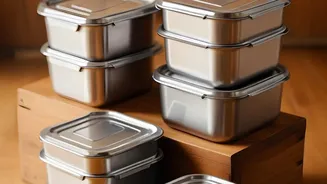
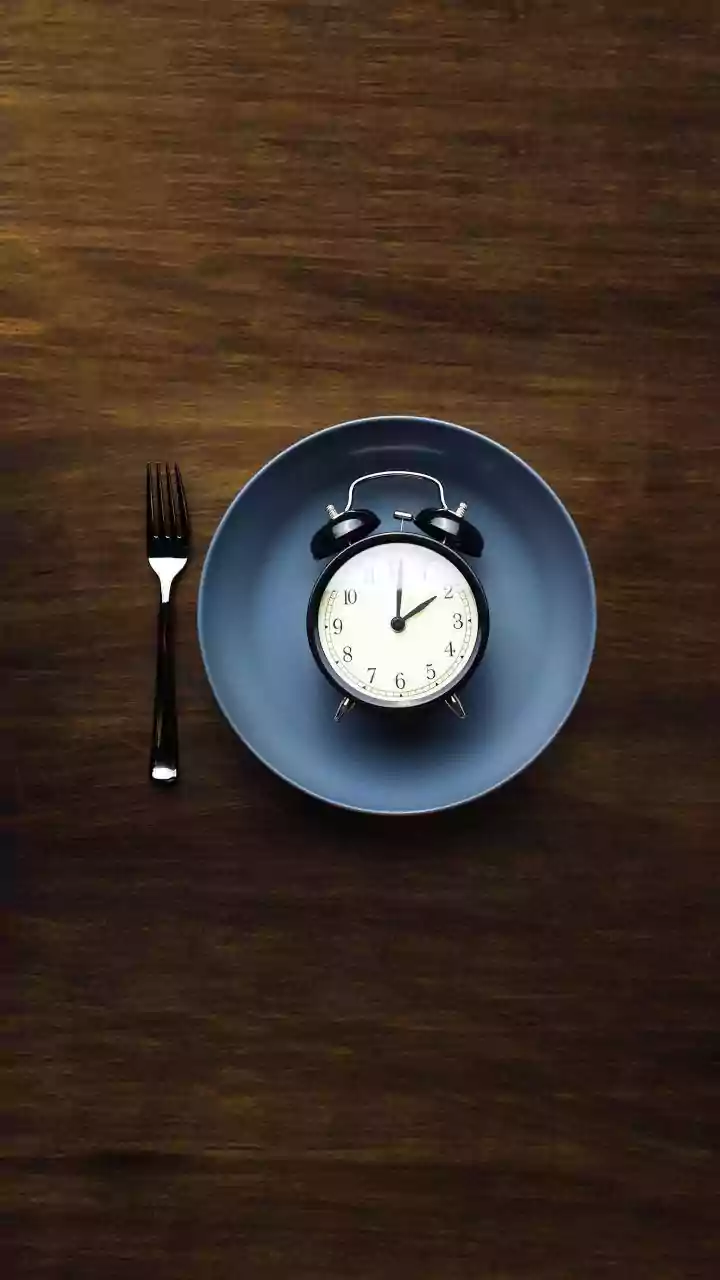
One of the most critical rules of food safety is to never leave cooked food at room temperature for more than two hours. During the particularly hot and humid days of the monsoon, this window shrinks to just one hour. Food left out for longer enters the 'danger zone'—a temperature range where bacteria multiply rapidly. To store leftovers safely, cool them down as quickly as possible. You can do this by dividing large quantities into smaller, shallow containers. Once the steam has escaped, transfer the food to clean, airtight containers and place them in the refrigerator promptly. This quick cooling process slows down bacterial growth significantly.
Smart Refrigeration: Container and Placement Matter
How you store food inside the refrigerator is just as important as how quickly you put it there. Always use airtight containers to prevent moisture and cross-contamination. Store raw meat, poultry, and seafood on the bottom shelf, away from cooked foods, to prevent their juices from dripping onto other items. Avoid overfilling your fridge, as this restricts air circulation and can lead to inconsistent cooling, creating warm spots where bacteria can grow. It's also wise to keep your refrigerator clean by wiping up spills immediately and cleaning it thoroughly every couple of weeks.
Know Your Timelines: How Long Do Leftovers Last?
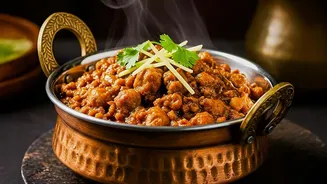
During the monsoon, the shelf life of refrigerated leftovers is shorter. For common Indian dishes, it's best to be cautious. Cooked dal and sabzis with gravy should ideally be consumed within 24 to 36 hours. Cooked rice is particularly high-risk; it should be eaten within 18 to 24 hours. Certain bacteria on rice can produce toxins that are not destroyed by reheating. Rotis and other breads can grow mould quickly in the damp environment and should be consumed within a day or two. When in doubt, it is always safer to discard the food than to risk getting sick.
Reheating Right: Ensuring Your Food is Safe
Proper reheating is the final step in ensuring your leftovers are safe to eat. The goal is to kill any bacteria that may have developed during storage. All leftovers should be reheated to an internal temperature of at least 74°C (165°F). Sauces, soups, and gravies should be brought to a rolling boil. When using a microwave, cover the food to retain moisture and ensure it heats evenly, rotating or stirring it midway through. Crucially, you should only reheat food once. Repeatedly cooling and heating food increases the risk of bacterial growth, so only take out and reheat the portion you plan to eat immediately.
Spotting the Signs: When in Doubt, Throw It Out
Your senses are a good first line of defense, but they aren't foolproof. Harmful bacteria can contaminate food without changing its look, smell, or taste. However, you should always discard food that has any off-odours, a slimy texture, or visible mould growth. Pay close attention to dairy-based dishes, meat, and seafood, as they spoil faster. Never taste food to check if it's still good. If you are unsure about how long something has been stored or if it has been handled correctly, the safest course of action is to throw it away.