



The New Peak Season?
Forget the crisp autumn air or the spring bloom; for a growing number of Indian travellers, the perfect time for a mountain getaway is right in the middle of the monsoon. What was once considered the lean season for tourism in states like Uttarakhand
and Himachal Pradesh is now witnessing an unprecedented boom. According to recent data from Booking.com, travellers are increasingly choosing destinations based on personal experiences rather than traditional seasonal patterns. [18] For travel between July and August 2026, searches for destinations like Rishikesh and Mussoorie have skyrocketed, with Rishikesh climbing from the 18th to the 3rd most-searched domestic spot and Mussoorie jumping from 22nd to 6th. [18] This isn't just online interest; it's translating into packed hotels and bustling towns, suggesting a fundamental shift in India's domestic travel calendar.
Why the Sudden Downpour of Tourists?
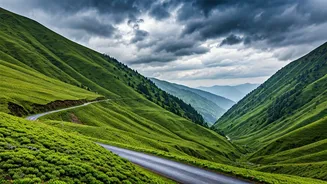
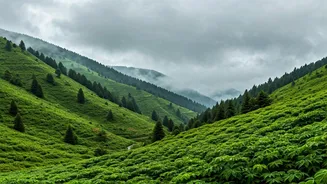
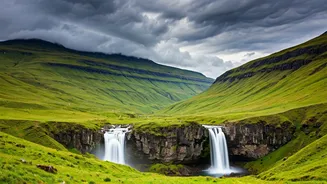
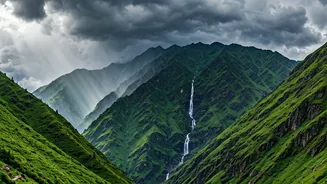
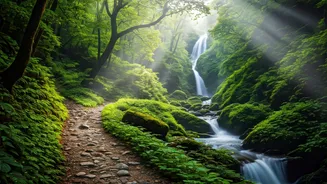
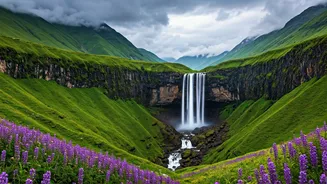
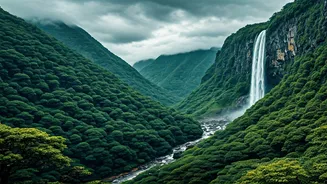
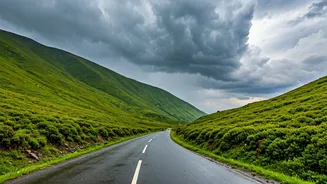
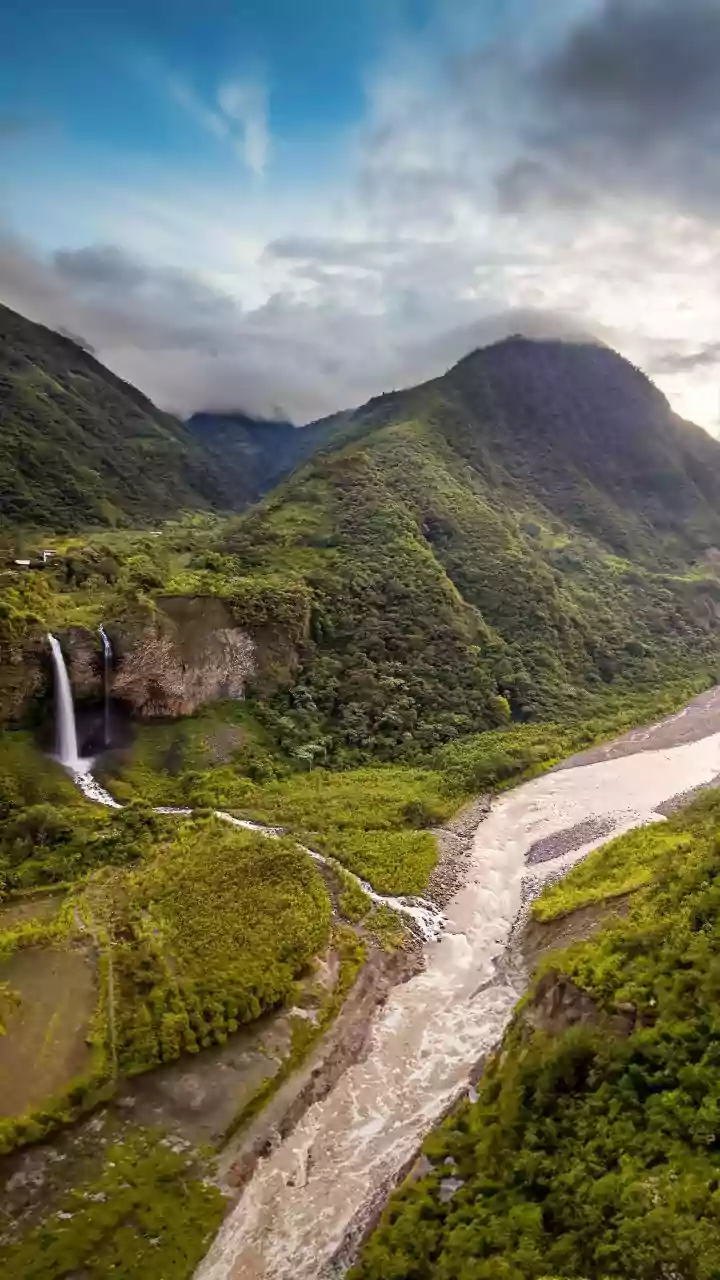
Several factors are contributing to this monsoon mania. The primary driver is the desire to escape the scorching, prolonged heatwaves in the plains, making the cool, misty mountain air a welcome relief. [21] Furthermore, the rise of experience-led travel means tourists are actively seeking the unique beauty the monsoon unveils: vibrant green landscapes, gushing waterfalls, and clouds rolling through valleys. [5, 10] Social media is amplifying this trend, with stunning images of rain-soaked hills inspiring a new wave of travellers. The appeal is also economic; traditionally, the monsoon has been a low season, with hotels offering significant discounts of 20-50% to attract visitors. [10, 20] This makes luxury stays at otherwise premium properties in places like Udaipur and Dehradun more accessible. [12, 28]
Where The Clouds Are Gathering
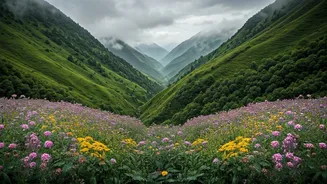
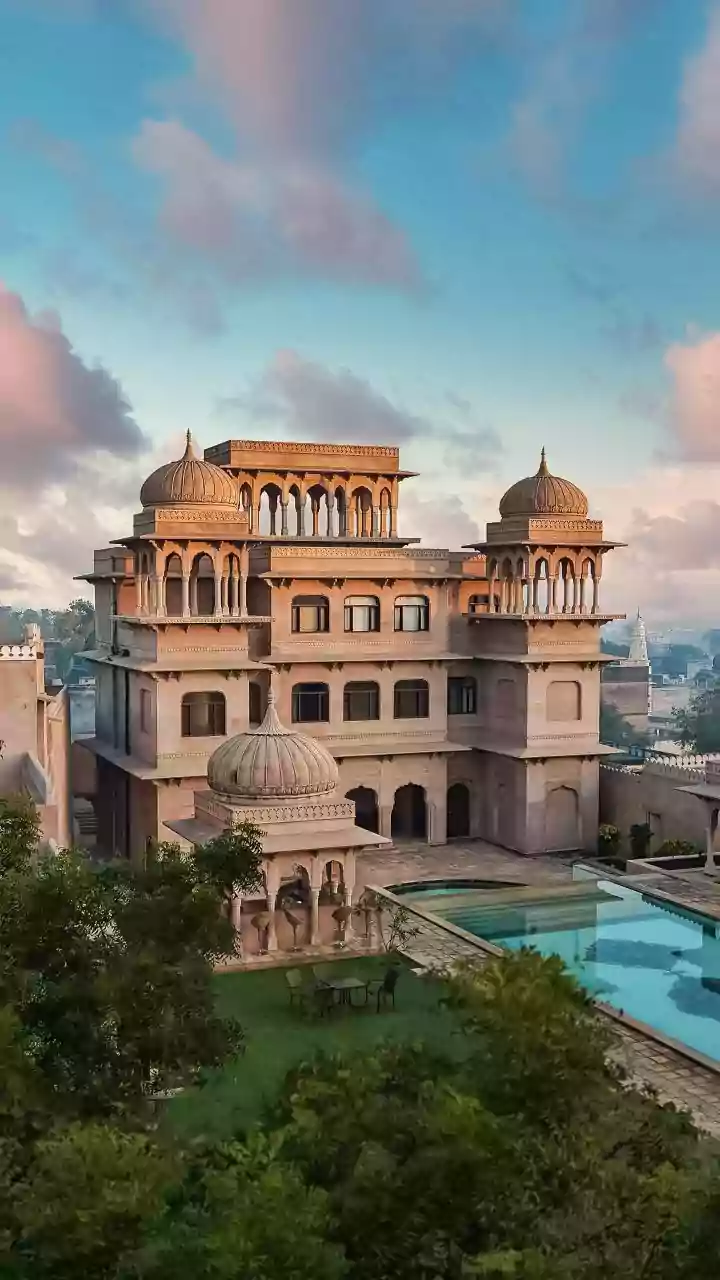
While established destinations like Shimla, Manali, and Mussoorie are seeing high traffic, the monsoon trend is also spotlighting other picturesque locations. [18, 27] In Uttarakhand, the Valley of Flowers, a UNESCO World Heritage site, opens only during the monsoon, offering a spectacular trek through meadows of alpine flowers. [5, 16] Rishikesh is attracting visitors with its blend of spirituality and wellness, even as the Ganges swells with rain. [12, 18] In Himachal Pradesh, destinations like Chamba and the rain-shadow regions of Spiti Valley (which remains mostly dry) are popular choices. [4, 7] Even Rajasthan is part of the trend, with cities like Udaipur, the 'City of Lakes', offering a romantic, rain-washed charm that's completely different from its dry-season persona. [4, 28]
An Economic Lifeline with a Word of Caution
For local economies, this year-round tourism is a significant boon. In states like Uttarakhand, where tourism contributes over 24% to the state's GDP, a bustling monsoon season provides a vital injection of revenue for hotels, homestays, restaurants, and local businesses. [30] The state is actively working to position itself as an all-season hub, moving towards better-managed, higher-value tourism. [29] However, the surge comes with serious risks. The Himalayan region is notoriously prone to landslides, flash floods, and cloudbursts during the monsoon. [6, 19] Authorities in Himachal Pradesh have issued advisories, including an 'orange alert' for heavy storms, urging travellers to be extremely cautious, check weather forecasts regularly, and avoid trekking or visiting high-altitude areas during inclement weather. [9, 13] The key for travellers is to remain vigilant, respect the power of nature, and prioritise safety over scenery.