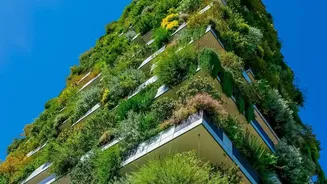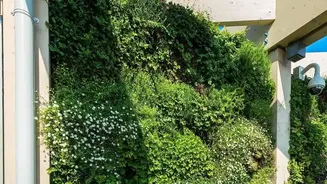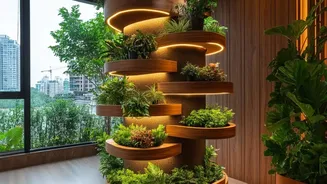

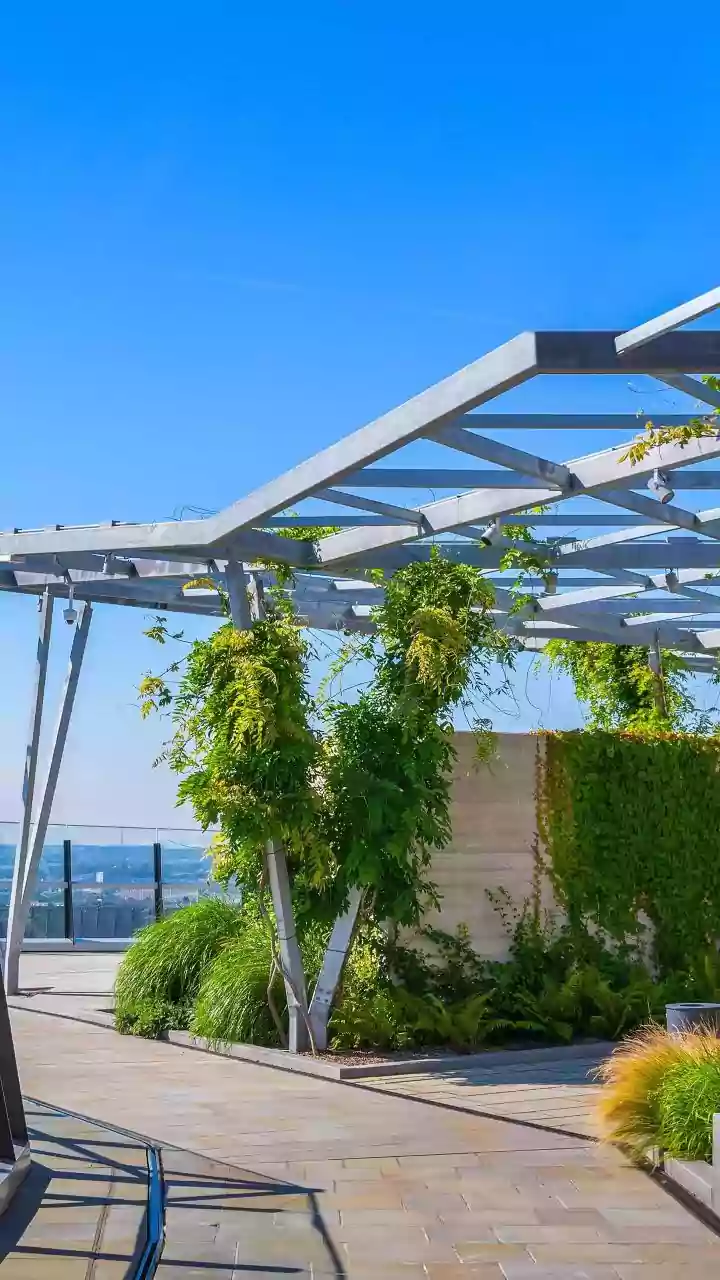




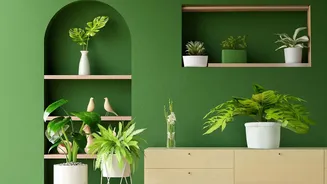

In our bustling cities, space is a luxury. But what if you could turn a plain, empty wall into a lush, living masterpiece? Vertical gardens offer a brilliant solution, adding a touch of nature to balconies and homes without taking up floor space.
Finding the Perfect Spot
The first
step is choosing the right wall. This decision is crucial and depends on a few key factors. First, assess the sunlight. Most flowering plants and vegetables need at least four to six hours of direct sunlight daily. If your chosen wall is on a shaded balcony or faces north, you'll need to select shade-tolerant plants. Next, consider the wall's strength. A fully planted and watered vertical garden can be heavy, so ensure the wall is sturdy enough to support the weight. Finally, think about water access. Your garden will need regular watering, so a location near a water source will make maintenance much easier.
Choosing Your Vertical Garden System
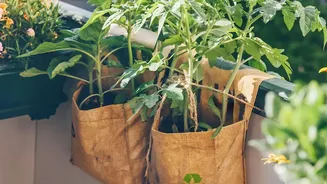
There are several types of vertical garden systems, each with its own benefits. Pocket systems use fabric or felt pouches where you tuck individual plants; they are great for DIY projects but can dry out quickly. Modular panel systems are pre-fabricated panels with cells for plants, often with built-in irrigation, making them ideal for larger, more uniform walls. Another simple and effective option is a trellis or wire-mesh frame, which you can use with climbing plants or by attaching individual pots and planters. For renters or those who want a non-permanent solution, freestanding frames offer great flexibility. The choice depends on your budget, your wall, and how much maintenance you're willing to do.
Selecting the Right Plants for India
Plant selection is where your vertical garden truly comes to life. For India's varied climates, it's essential to choose plants that will thrive. For sunny, hot walls, succulents like Portulaca and Aptenia are excellent choices, as are flowering plants like dwarf Bougainvillea and Vinca (Sadabahar). For balconies or walls that receive less direct sun, shade-loving plants are a better fit. Money Plant (Pothos), Philodendrons, Spider Plants, and various ferns like the Boston Fern create a lush, green look and are very forgiving. You can also grow herbs like mint, basil, and coriander, provided they get a few hours of sun. Grouping plants with similar light and water needs together will simplify care.
Soil and Potting Mix Essentials
The right soil is critical for a healthy vertical garden. Because the containers are smaller and elevated, a standard garden soil will be too heavy and won't drain properly. Instead, opt for a lightweight, well-draining potting mix. A good blend often contains cocopeat, perlite, and vermicompost, which helps retain moisture without becoming waterlogged. Good drainage is non_negotiable to prevent root rot, a common issue in container gardening. You can improve drainage by adding a layer of gravel at the bottom of your planters before adding the soil mix.
Watering Your Wall Garden
Plants in vertical gardens tend to dry out faster than those in the ground, especially those higher up the wall. Consistent watering is key. For smaller gardens, manual watering with a long_spouted can every day or two might be sufficient. However, for larger installations, a drip irrigation system is highly recommended. These systems deliver water directly to the plant roots, ensuring efficiency and conserving water. Many can be automated with a timer, making maintenance much easier. To prevent fungal growth, it's often best to water the soil at the base of the plants rather than spraying the leaves.
Ongoing Care and Maintenance
A living wall is a dynamic system that needs regular attention to look its best. Pruning is essential to maintain the garden's shape and encourage new growth. Regularly remove any dead or yellowing leaves to prevent the spread of disease. Keep an eye out for common garden pests. If you spot any, treat them quickly with an organic insecticidal soap. During the growing season, your plants will also benefit from a balanced liquid fertiliser every few weeks to replenish nutrients in the limited soil. With a little consistent care, your vertical garden will remain a stunning feature for years to come.