

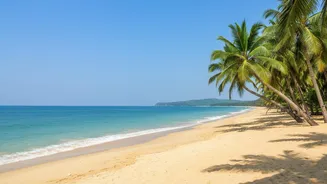

Understanding Sri Lanka’s Welcoming Gesture
In a significant move to boost tourism, Sri Lanka has made visiting easier for travellers from India. As of 2026, Indian passport holders no longer need to pay a visa fee for short-term tourist visits. While many reports call this “visa-free travel,”
it’s more accurately a fee waiver. Travellers are still required to obtain an Electronic Travel Authorization (ETA) online before their departure. The good news is that the application process for this ETA is now free of charge for Indians. This policy, which came into effect on May 25, 2026, grants a 30-day stay with a double-entry facility, meaning you can enter the country twice within that period. The process is straightforward: apply on the official government portal, eta.gov.lk, to avoid any third-party service fees.
The Immediate Impact on Your Wallet
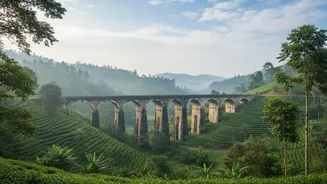
The most direct benefit of this policy is, of course, the cost savings. Previously, the tourist visa fee was around $20 to $50 per person. For a family of four, this meant an upfront cost of nearly ₹7,000 to ₹17,000 before even booking flights or accommodation. By eliminating this fee, the Sri Lankan government has removed a significant financial barrier. This saved money can now be repurposed for experiences within the country. It could cover a few nights in a comfortable guesthouse, pay for the iconic Kandy to Ella train journey, fund a safari in a national park, or simply allow for more indulgence in Sri Lanka’s incredible local cuisine.
Encouraging Spontaneous, Budget-Savvy Trips
Beyond the direct savings, the simplified entry process has a psychological benefit that encourages more budget-conscious travel. With the removal of visa fees and a complex application process, the barrier to planning a spontaneous trip is much lower. Indian travellers can now take advantage of last-minute flight deals without worrying about visa processing times or costs. This flexibility allows for travel during the shoulder seasons (May-June or September-October), when flights and accommodation are often cheaper. The ease of entry makes a long-weekend trip from cities like Chennai or Bengaluru a far more viable and affordable option.
Maximising Your Budget on the Ground
Once you arrive, Sri Lanka remains an exceptionally budget-friendly destination, and the savings from the visa fee are just the beginning. The Indian Rupee often enjoys a favourable exchange rate against the Sri Lankan Rupee, stretching your money further. To travel cheaply, embrace the local way of life. Utilise the extensive and incredibly affordable public transport system, including the famous scenic trains and local buses. Opt for meals at local eateries, called 'hotels' or 'kades', where you can enjoy delicious and filling rice and curry buffets for a fraction of the cost of tourist-focused restaurants. For accommodation, skip expensive resorts in favour of the many clean, comfortable, and welcoming guesthouses and homestays run by local families.
A Wallet-Friendly Itinerary
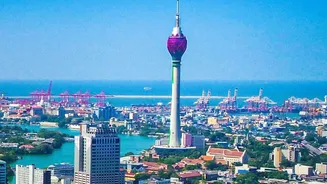
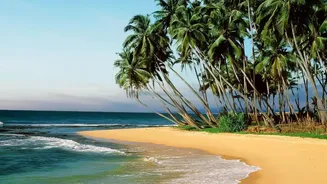
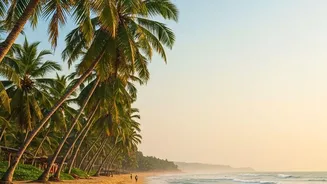
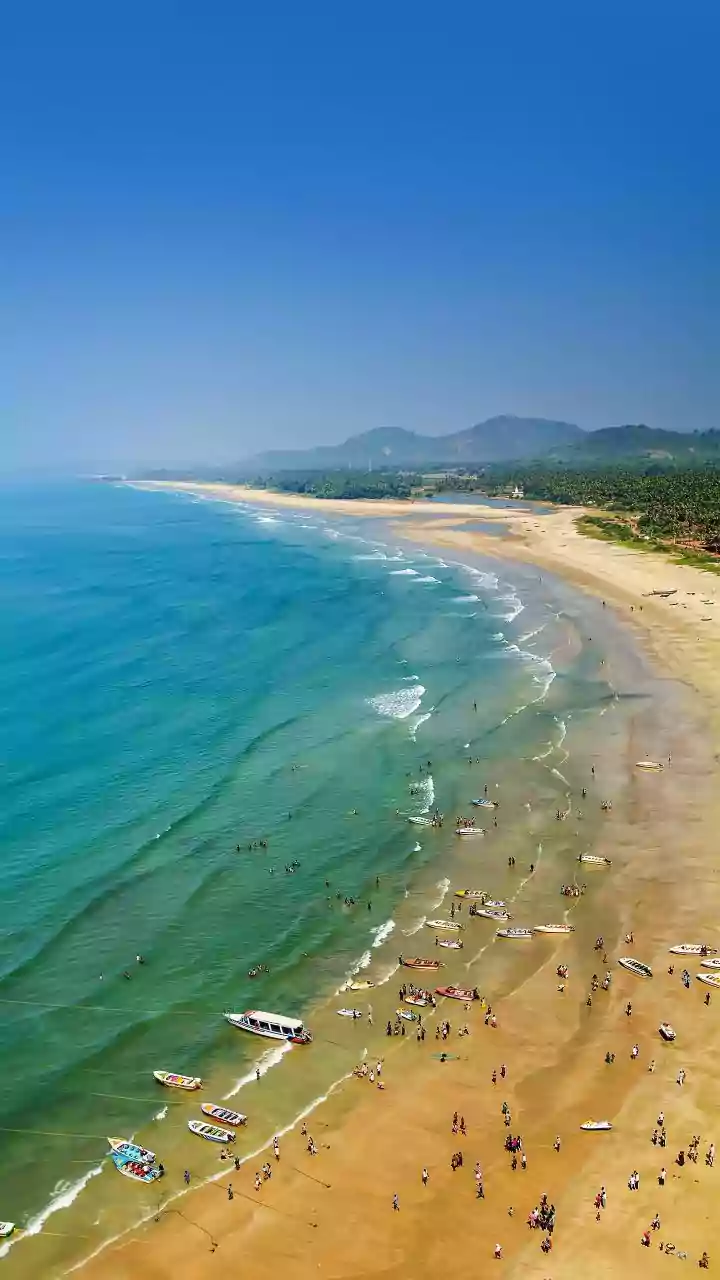
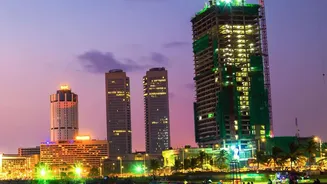
With easy entry sorted, planning a budget trip is simple. Consider a route that minimizes travel time and leverages cheap transport. You could start in Colombo, take a train to the cultural hub of Kandy, and then proceed into the misty tea country of Nuwara Eliya or Ella. From there, head south to coastal towns like Mirissa or Unawatuna for beaches and whale watching before looping back to Colombo. Many of the country's best experiences are low-cost or free, from hiking Little Adam's Peak in Ella to simply relaxing on a pristine beach or exploring colonial-era architecture in Galle Fort. By mixing a few paid attractions with these free experiences, your travel budget will go a long way.