


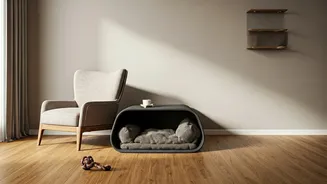


From Pet-Proofing to Pet-Centric
For years, the intersection of pets and home decor was a defensive one. We bought plastic covers for our sofas, tucked away breakable vases, and resigned ourselves to the fact that a stylish home was incompatible with a shedding dog or a curious cat.
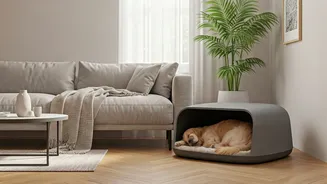
This approach, known as ‘pet-proofing,’ was about damage control. But a significant shift is underway. We are moving from merely protecting our homes *from* our pets to actively designing our homes *for* them. It’s no longer about hiding the unsightly dog crate but integrating a stylish ‘dog den’ into the custom cabinetry. This new philosophy, ‘pet-centric design,’ treats the needs and comfort of our animal companions as a primary consideration in the aesthetic and functional planning of a space. It’s a move from reactive problem-solving to proactive, integrated design where the pet’s well-being is as important as the homeowner's.
The Rise of the ‘Petfluencer’
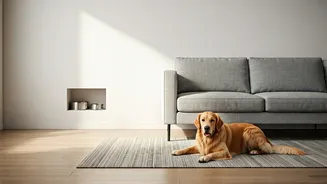
A major catalyst for this trend is social media. Platforms like Instagram are flooded with images of perfectly curated homes, and increasingly, pets are the stars of these domestic scenes. We don't just see a beautiful living room; we see a golden retriever snoozing elegantly on a velvet couch or a sleek cat perched on a minimalist bookshelf. These ‘petfluencers’ and their aesthetically pleasing lives create aspiration. Their owners, often design-savvy millennials and Gen Z, showcase how a home can be both beautiful and animal-friendly. This visual narrative has normalised the idea that you don’t have to sacrifice style for your pet. Instead, the pet becomes part of the home's overall aesthetic ‘brand.’ Following these accounts makes a high-design, pet-friendly lifestyle feel not just possible, but desirable, influencing a new generation of homeowners and renters in India to think differently about their spaces.
What a Pet-Influenced Home Looks Like
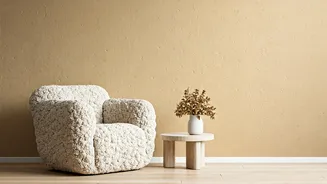
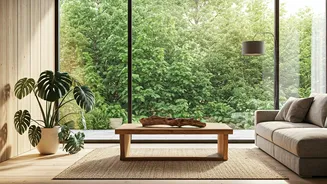
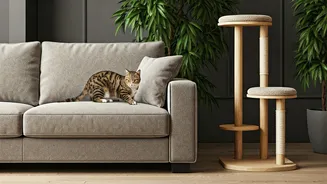
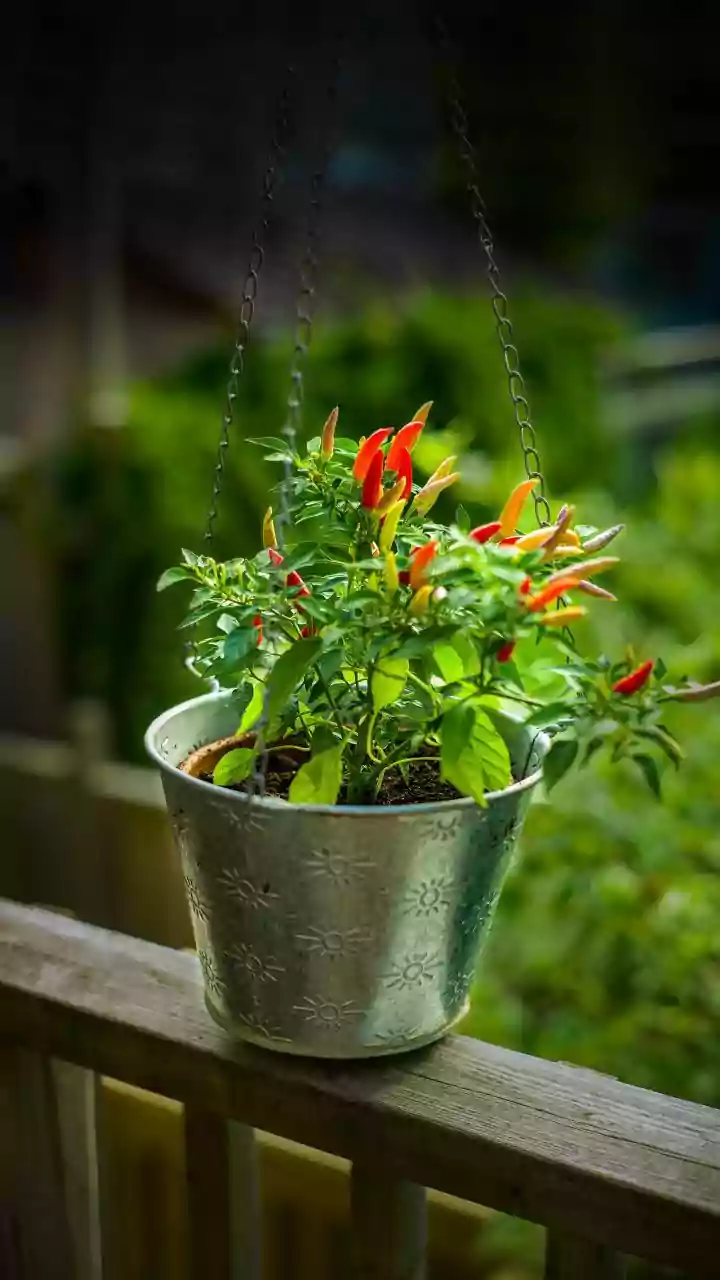
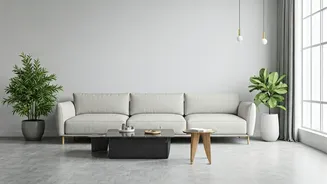
So, what are the hallmarks of a home designed with a pet as a co-creative director? Functionality meets style in clever ways. Think sofas and armchairs upholstered in ‘performance fabrics’—durable, stain-resistant, and easy-to-clean materials like tightly woven velvets or treated canvases that stand up to claws and fur. We see the rise of non-toxic houseplants, ensuring a lush, green interior that won't harm a curious cat. The clunky, carpeted cat tree is being replaced by sculptural, wooden climbing structures that double as art. In kitchens and mudrooms, designers are incorporating built-in feeding stations and sleeping nooks that blend seamlessly with the cabinetry. Area rugs are often low-pile and made of durable natural fibres like jute or sisal, which are easier to clean and less likely to trap pet hair. Even colour palettes are influenced, with designers sometimes choosing tones that help camouflage shedding.
More Than an Animal, a Family Member
This trend is about more than just pretty pictures; it reflects a deeper cultural shift in our relationship with animals. Across urban India, pets are increasingly seen not as property, but as integral members of the family. This ‘humanisation’ of pets means we prioritise their happiness, comfort, and health in ways previous generations might not have. When we view our dog or cat as a family member, it’s natural to want their living environment to be as comfortable, safe, and stimulating as our own. Investing in a designer dog bed or a custom-built ‘cattio’ (a cat patio) becomes an act of love and care. It’s an extension of the wellness trend, applied to the four-legged members of our household. We want the best for them, and in the modern home, ‘the best’ includes an environment that is thoughtfully designed around their needs.
Brands and Designers Are Responding
The market has been quick to notice this evolution. Furniture brands now actively market fabrics as ‘pet-friendly.’ Specialised companies are creating high-end pet furniture that you wouldn’t want to hide in a corner—from mid-century modern dog beds to minimalist litter box enclosures that look like chic side tables. Interior designers are also increasingly offering services specifically for households with pets, helping clients make smart, stylish choices that accommodate their entire family, furry members included. This commercial response legitimises the trend, providing consumers with more options than ever to create a home that is a beautiful reflection of their style and a comfortable sanctuary for their beloved pets.