



The Allure of the Rains
Conventional travel wisdom often suggests staying indoors during the monsoon. But a growing number of travellers are discovering the unique magic this season holds, especially in North India. Recent data shows a significant spike in searches for destinations
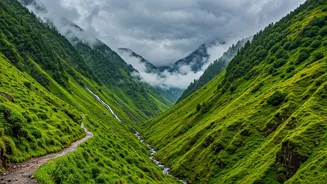
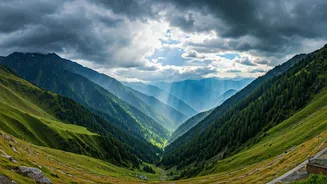
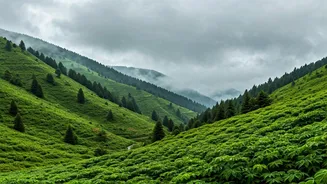
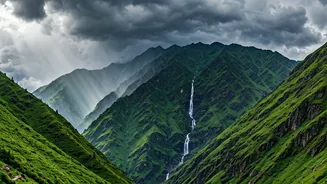
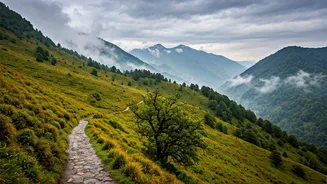
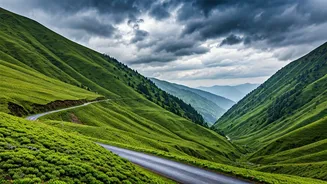
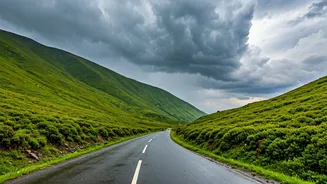
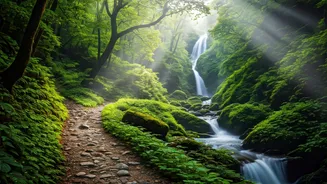
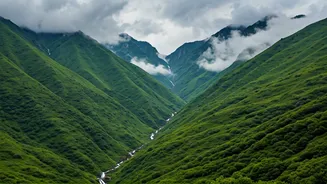
like Rishikesh and Mussoorie during the monsoon months, with travellers seeking out wellness, nature, and cultural experiences. [15, 17] The rains wash the dust away, leaving behind a world of vibrant greens, misty mountains, and a refreshing coolness in the air. Hill stations that are bustling in the summer become quiet, serene retreats, offering a more intimate connection with nature. [5, 8] It’s a time for cozy cups of chai, listening to the rhythm of the rain, and seeing a familiar landscape in a dramatic new light.
1. Valley of Flowers, Uttarakhand: A Himalayan Paradise
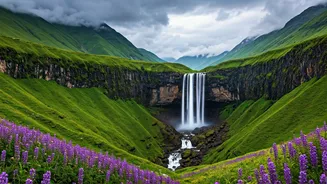
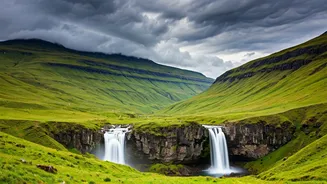
This is a destination that exists only because of the monsoon. The Valley of Flowers National Park, a UNESCO World Heritage Site, is only open from June to October. [27, 30] It's during these rainy months that its high-altitude meadows burst into a riot of colour, with over 500 species of wildflowers blooming in full glory. [28, 30] Species like the ethereal Blue Poppy, the sacred Brahma Kamal, and the unique Cobra Lily carpet the valley floor. [16, 29] The trek to the valley, starting from Ghangaria, is a moderate one, but the reward is a surreal landscape of mist, gushing waterfalls, and a floral spectacle found nowhere else on earth. [16, 29] The best time to witness this full bloom is between July and early September. [16]
2. Spiti Valley, Himachal Pradesh: The Rain Shadow Desert
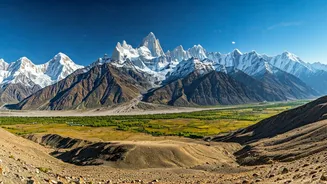
Looking for a monsoon trip without the heavy downpours? Spiti Valley is your answer. Tucked away in a rain shadow region of the Himalayas, Spiti receives very little rainfall, even during the peak monsoon months. [11, 18] This makes it a perfect destination for adventure seekers who want to experience its stark, lunar landscapes without the risk of being rained out. While the approach roads from Manali or Shimla can be challenging with potential landslides and water crossings, the valley itself remains accessible and breathtaking. [6, 7, 11] The weather is pleasant, and the usual summer crowds have thinned out, offering a sense of true Himalayan solitude. [18] You can explore ancient monasteries like Tabo and Dhankar, visit the high-altitude villages of Komic and Hikkim, and witness the stunning beauty of Chandratal Lake. [6]
3. Mussoorie, Uttarakhand: The Misty Mountain Queen
During the monsoon, Mussoorie earns its title as the 'Queen of the Hills'. The popular hill station transforms into a dreamy, mist-covered wonderland. [5] Clouds drift lazily through the valleys and along the Mall Road, creating a romantic and peaceful atmosphere. Waterfalls like Kempty and Bhatta are at their majestic best, and the surrounding hills are draped in countless shades of green. [8] Recent booking trends show a massive 160% year-on-year increase in searches for Mussoorie during this season, confirming its rising popularity. [15, 17] It's the perfect place for a quiet escape, with fewer tourists and a tranquil vibe that invites you to slow down and enjoy the scenery.
4. Orchha, Madhya Pradesh: A Forgotten Kingdom Reawakens
While technically in Central India, Orchha's proximity to North Indian travel circuits makes it a worthy monsoon contender. This sleepy town on the banks of the Betwa River comes alive during the rains. [13, 19] The usually dry and arid landscape transforms into a lush paradise. [19] The magnificent forts, palaces, and cenotaphs (chhatris) of the Bundela dynasty look even more spectacular when freshly washed by the rain, their reflections shimmering in the brimming river. [19, 20] It's the perfect time for photographers and history buffs to explore this hidden gem without the scorching heat of summer. You can indulge in river rafting on the Betwa or simply watch a dramatic sunset over the ancient monuments. [20, 24]
Travel Smart During the Rains
While monsoon travel is rewarding, it requires some preparation. Always check the weather forecast and local conditions before you travel, as landslides can be a risk in hilly areas. [31, 33] Pack quick-dry clothing, waterproof footwear, and a sturdy raincoat. [31] Keep your electronics safe in waterproof bags or ziplocks. [32] It's also wise to have buffer days in your itinerary to account for any potential travel delays. [31] Be cautious with street food to avoid water-borne illnesses, and always carry a basic first-aid kit. [31, 33]