




The Social Media-Fueled Dream
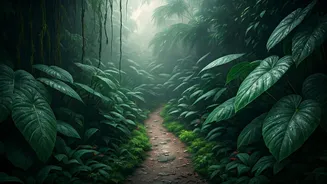
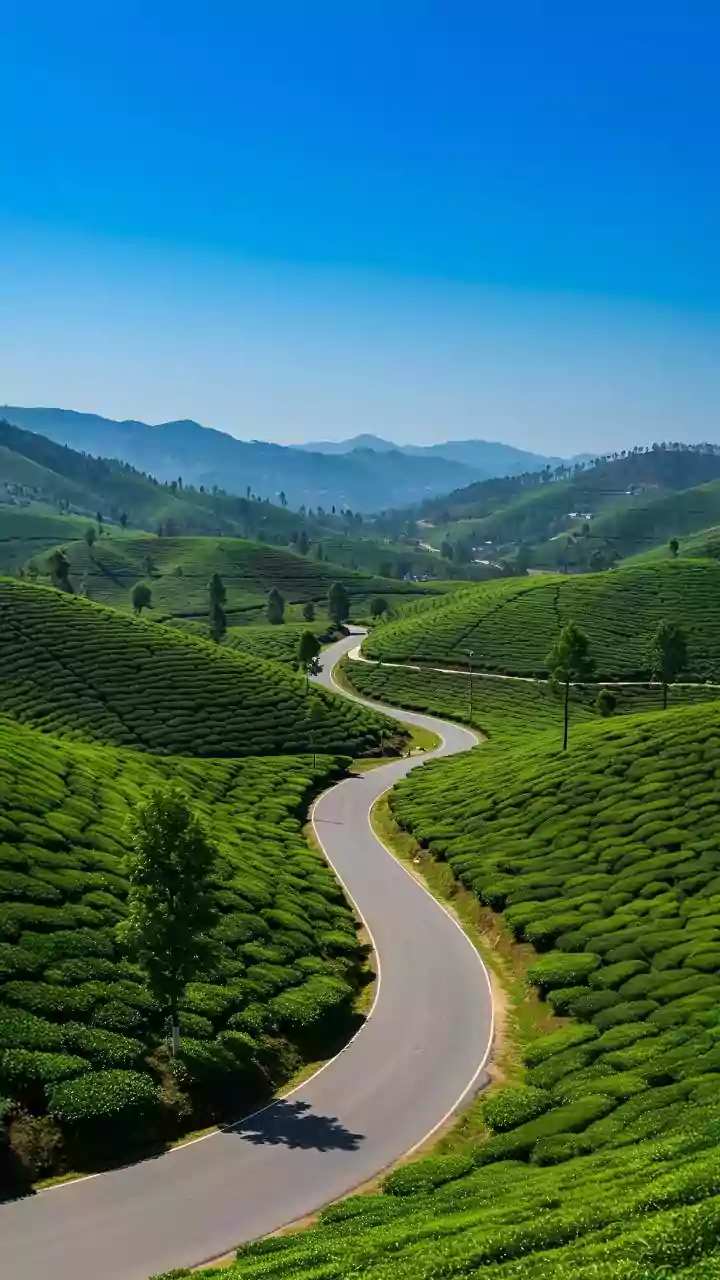
The desire for a picturesque monsoon escape is stronger than ever, often fueled by social media. Platforms like Instagram and YouTube are filled with images of couples posing against dramatic backdrops of emerald valleys and cascading waterfalls. This
visual inspiration is a powerful driver of tourism, pushing many, especially young travellers, to seek out these 'Instagrammable' spots. Studies show that a vast majority of Indian travellers now use social media to research and select destinations, with influencer content playing a significant role. This has led to a surge in visitors to both popular and lesser-known hill stations, all chasing that perfect, shareable moment.
The Perilous Reality of Monsoon Roads
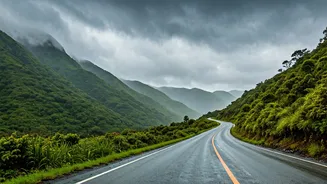
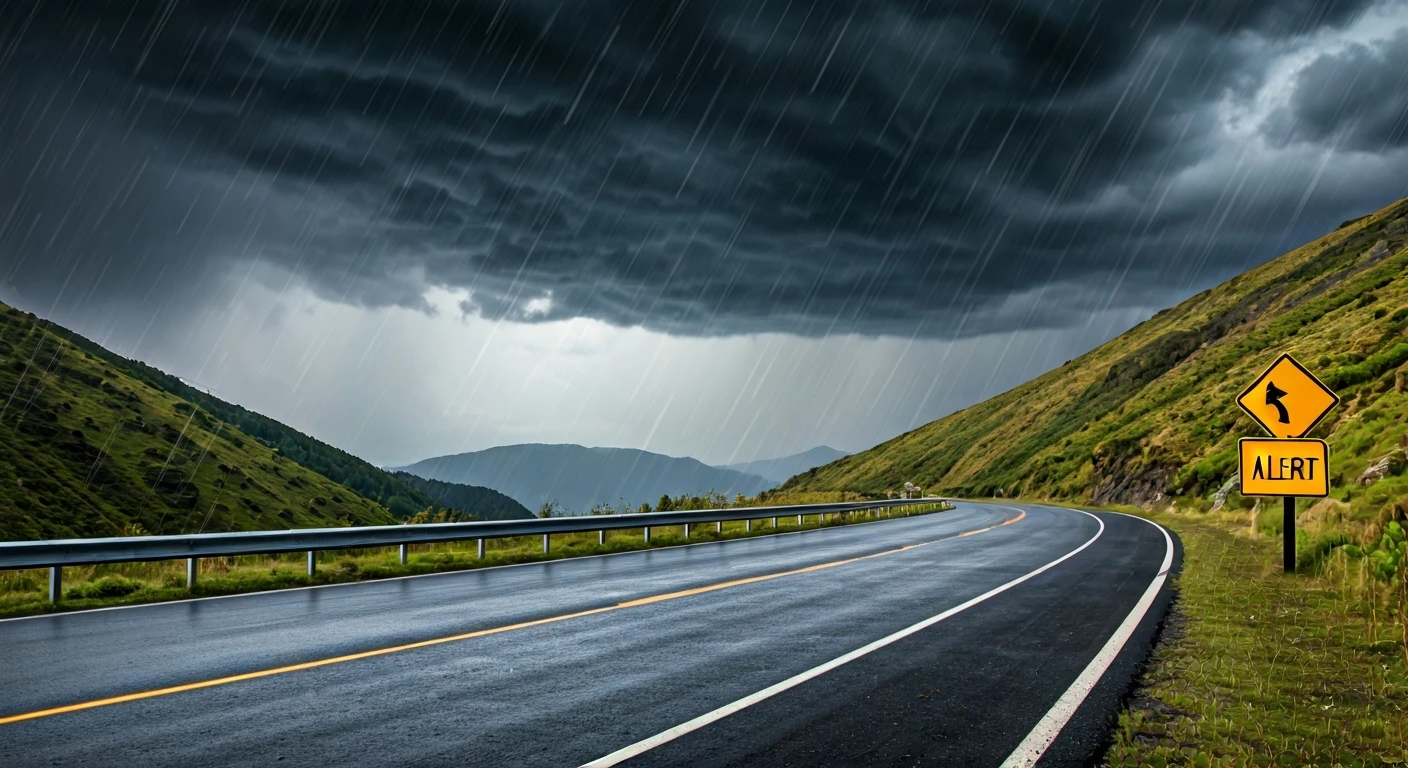
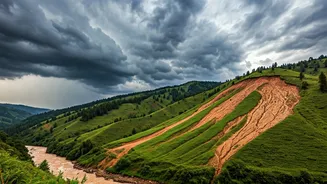
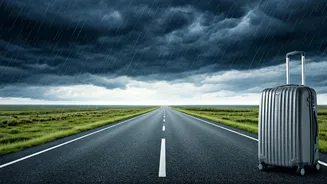
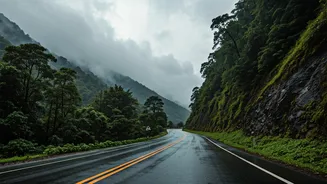
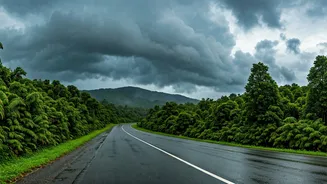
Unfortunately, the journey to these scenic spots is often fraught with danger, particularly during the monsoon months of July and August. Heavy rainfall saturates the soil on steep slopes, leading to frequent landslides that can block highways for hours or even days. Flash floods can turn gentle streams into raging torrents, washing away sections of road and making crossings impossible. In recent years, authorities have regularly issued warnings for popular tourist corridors like the Shimla-Manali stretch in Himachal Pradesh, the routes to Nainital and Mussoorie in Uttarakhand, and the ghat roads in the Western Ghats. The combination of slippery surfaces, poor visibility due to fog and rain, and the constant threat of falling rocks makes these roads incredibly treacherous.
Ignoring Warnings for a Risky Selfie
Despite repeated advisories from police and disaster management authorities, many tourists continue to take unnecessary risks. Incidents of people venturing dangerously close to swelling rivers or unstable cliff edges for photos are alarmingly common. Sometimes, the pursuit of a selfie has ended in tragedy, with individuals being swept away by strong currents. Authorities in states like Himachal Pradesh have even started fining tourists for entering rivers, but the dangerous behaviour persists. The thrill of capturing a dramatic shot often overrides basic safety instincts, and local warnings are frequently ignored in the excitement of the moment.
How to Plan a Safer Romantic Trip
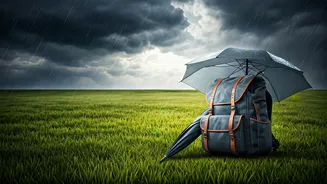
A romantic trip doesn't have to be a risky one. The key lies in smart and responsible planning. First and foremost, check the weather forecast diligently, not just for your destination but for the entire route. Pay close attention to official alerts from the India Meteorological Department (IMD) and local authorities; a red or orange alert for heavy rainfall is a clear sign to postpone your trip. Choose your destination wisely. Some hill stations are less prone to severe monsoon disruptions. Travel during daylight hours, as night driving on hills is significantly more dangerous. Always inform your family of your itinerary, have emergency contacts saved, and ensure your vehicle is in top condition, with special attention to tyres, brakes, and wipers. It's also wise to have a few buffer days in your schedule in case you get stranded due to a road blockade.
Rethink the Destination, Not the Romance
Perhaps the safest choice is to rethink the type of monsoon getaway. Instead of braving treacherous mountain highways, consider destinations with safer connectivity. A monsoon trip to the backwaters of Kerala, the gentler slopes of Mount Abu in Rajasthan, or the lush landscapes of Saputara in Gujarat can offer the same romantic and refreshing experience with far lower risk. Many resorts and homestays in less extreme terrains provide stunning rainy-season views without the life-threatening travel. The goal is to create beautiful memories together, and that can only happen when safety is the top priority. A moment of caution is always better than a lifetime of regret.