


Introducing Shukrayaan-1: India's Venus Voyage
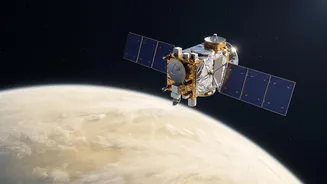
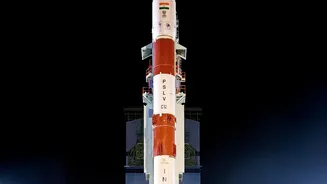
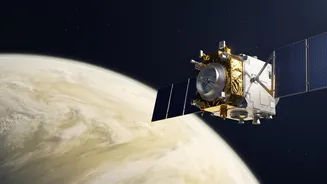
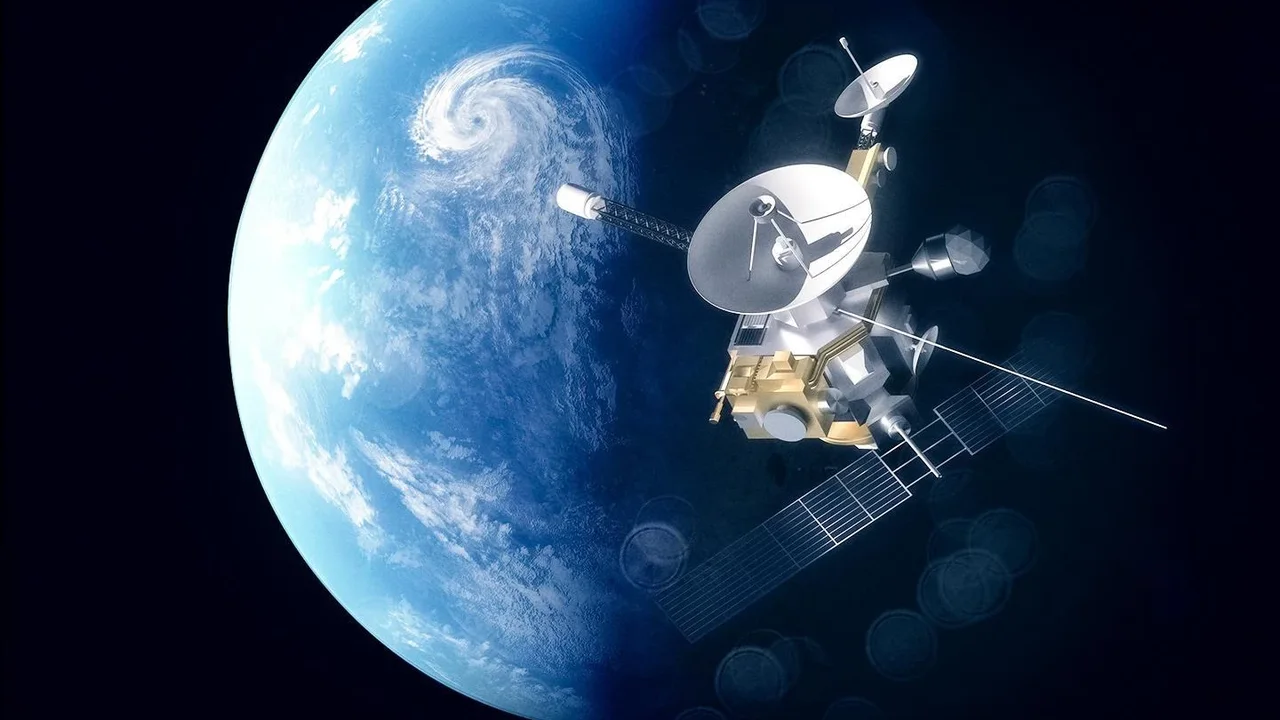
Shukrayaan-1, also known as the Venus Orbiter Mission, is the Indian Space Research Organisation's (ISRO) first dedicated mission to our closest planetary neighbour. Following the success of missions to the Moon and Mars, India is joining a select group
of space-faring nations to probe the secrets of Venus. Scheduled for a planned launch in March 2028, the orbiter will carry a suite of scientific instruments weighing around 100 kg to investigate the planet from a carefully planned elliptical orbit. This mission represents a major step in India's planetary exploration programme, aiming to unravel how a planet so similar to Earth in size and mass could have evolved so differently.
The Enigma of Venus's Atmosphere
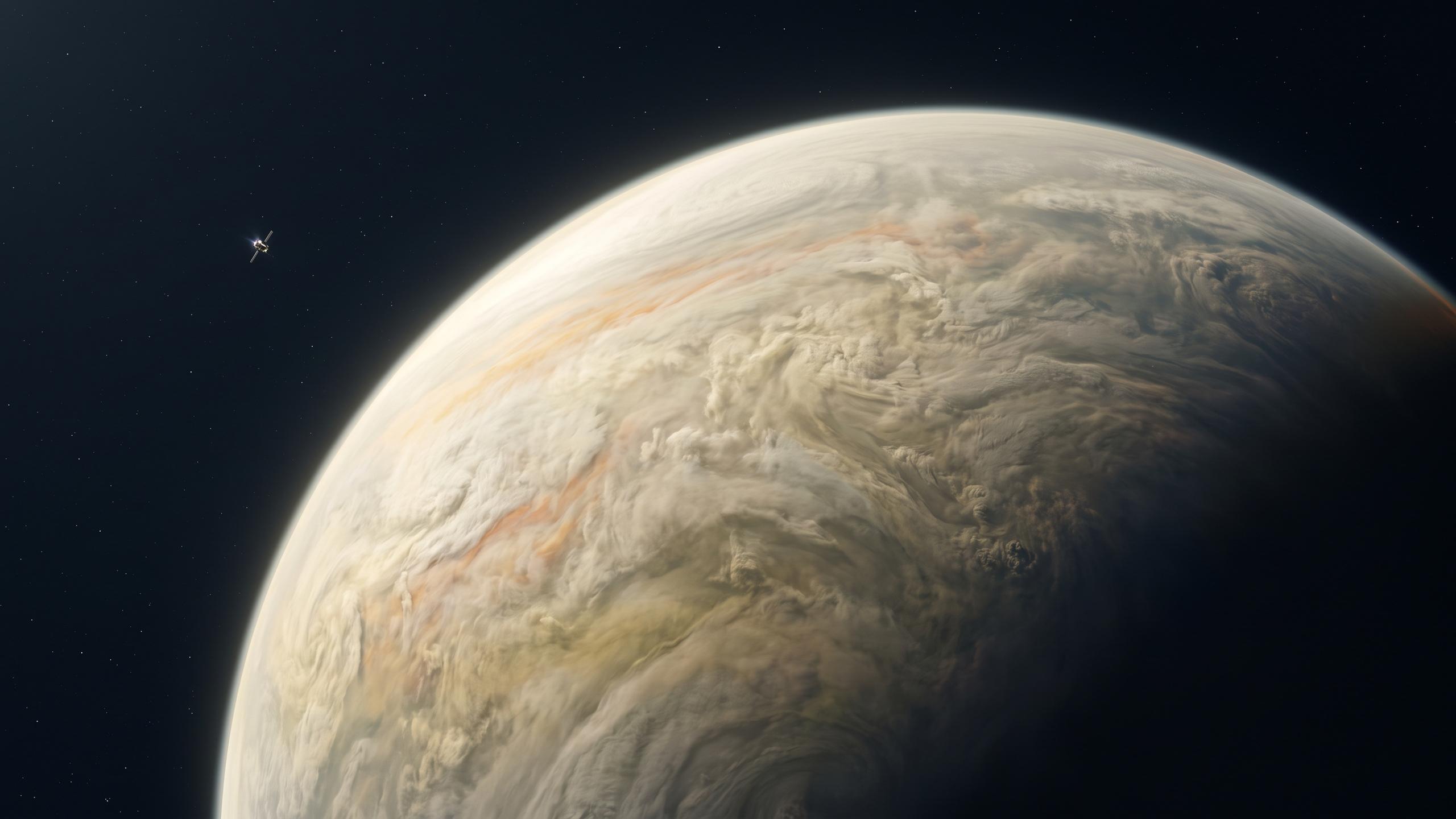
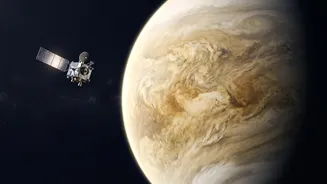
Venus is a world of extremes. Its atmosphere is over 90 times denser than Earth's and consists of more than 96% carbon dioxide, creating a runaway greenhouse effect. This traps heat, roasting the planet's surface to temperatures hot enough to melt lead, around 467°C. Adding to this hostile environment are thick, permanent clouds of concentrated sulphuric acid that completely shroud the planet, obscuring its surface from view in visible light. These clouds are not just a veil; they are a dynamic and crucial part of the Venusian climate system, playing a key role in the planet's extreme weather and mysterious atmospheric super-rotation, where winds whip around the planet much faster than the planet itself rotates.
A Search for Life's Ingredients
While the surface of Venus is inhospitable, scientists have long theorised that a layer in its atmosphere, about 50-70 km high, has more temperate conditions where life, as we might know it, could potentially survive. The controversial 2020 detection of phosphine gas—a compound on Earth associated with biological processes—ignited intense interest in this possibility, even though later analysis has cast doubt on the finding. ISRO's Shukrayaan mission is equipped to investigate this further. One of its key international payloads, VIRAL (Venus Infrared Atmospheric Gases Linker), is specifically designed to look for trace gases, including phosphine, in the atmosphere. Studying the chemical soup of the clouds will help determine if the building blocks for life exist or could have existed there.
Clouds as Clues to a Volcanic Heart
The chemistry of the clouds is also directly linked to what might be happening on the ground. The presence and concentration of certain gases, like sulphur dioxide, can be a strong indicator of active volcanism. While we expect sulphur dioxide from volcanoes, Venus Express, a previous European mission, found a mysterious layer of it at a much higher altitude than expected, suggesting unknown chemical or geological processes are at play. By studying the composition and dynamics of the atmosphere, Shukrayaan's instruments can help scientists connect atmospheric events to geological activity. This will provide crucial insights into whether Venus is still a geologically active planet, a key question in planetary science.
A Warning for Planet Earth
Understanding why Venus turned into a scorching hothouse is more than just an academic exercise. Venus serves as a natural laboratory for studying a runaway greenhouse effect, providing a cautionary tale for our own planet. Scientists believe Venus may have once had oceans and a more Earth-like climate. By studying its atmospheric evolution, we can learn invaluable lessons about the tipping points of climate change and better refine the models used to predict Earth's future climate. The mission will help answer fundamental questions about how and why two sister planets, born from the same materials, ended up on such drastically different evolutionary paths.