



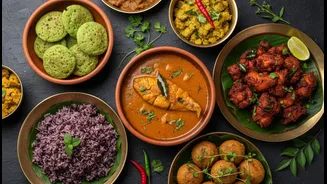


An Explosion of Flavour in Every Bite
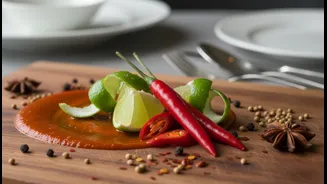
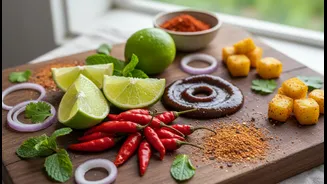
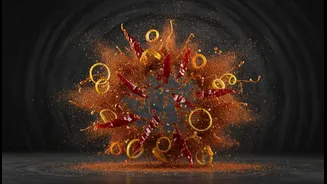
What exactly is 'chatpata'? It’s a culinary experience that defies simple translation. It’s the Indian equivalent of umami, but louder and more festive. This flavour profile is a carefully orchestrated collision of sweet, sour, salty, and spicy, designed
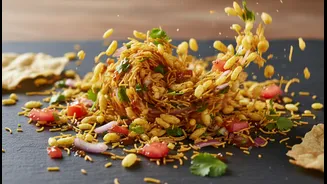
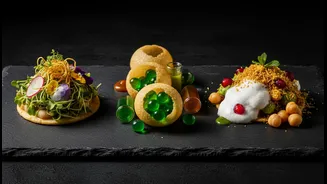
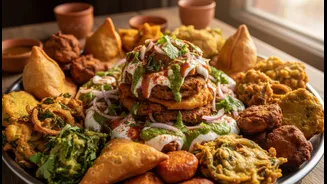
to excite every part of the palate. Think of the complex layers in a plate of chaat: the sharp kick of green chutney, the sweet-sour notes of tamarind, the cool creaminess of dahi, and the final crunch of sev. This isn't just a random assortment of tastes; it’s a symphony. Each element plays a distinct role, creating a multisensory experience that is bold, complex, and utterly addictive. The magic lies in this balance, turning a simple snack into a memorable event.
Food, Memory, and Emotion
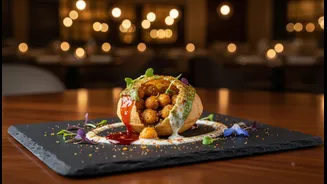
Comfort food is deeply intertwined with our emotions and memories. For many, the taste of chatpata snacks is linked to powerful feelings of nostalgia. It might be the memory of sharing bhel puri with family on a Sunday evening, stopping at a street vendor for pani puri after school, or the special dahi bhalla made during a festival. Psychologists note that our brains create strong associations between food and emotional states. Certain meals can trigger feelings of safety, celebration, and cultural identity. When we eat these foods, we aren't just satisfying hunger; we're revisiting cherished moments and reconnecting with our past, which can reduce stress and improve our mood.
The Great Social Connector
Chatpata food, particularly street chaat, has a unique social dimension. It brings people from all walks of life together. The humble street-side stall is a great equaliser, where people gather to share a quick, delicious, and affordable treat. The act of standing around a vendor, customising the spice level of your golgappe, and sharing the experience with friends or strangers is a quintessential part of Indian urban life. This tradition has historical roots; chaat is believed to have originated in Northern India, possibly during the Mughal era in Shahjahanabad (now Old Delhi), as a way to enjoy flavourful food that was also believed to have protective properties. Over centuries, it has evolved, but its role in fostering community remains unchanged.
More Than a Trend, A Tradition
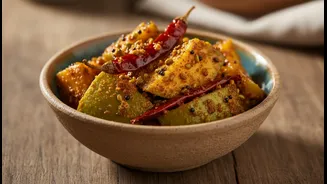
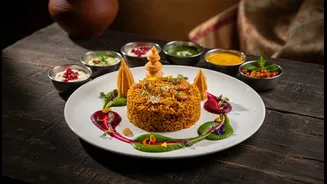
While global food trends come and go, the appeal of chatpata is enduring. In fact, recent food trend reports indicate a renewed appreciation for these bold, unapologetic flavours. Chefs and food brands are leaning into the complex, layered taste profiles that have defined Indian street food for generations. This isn't about chasing a fleeting fad; it’s about celebrating a core part of our culinary identity. The chatpata flavour profile is now even being incorporated into main courses and contemporary dishes, showcasing its versatility. From Achari Paneer to Tawa Pulao, this tangy, pungent taste proves it can elevate almost any meal, confirming its status as a timeless classic rather than a temporary craze.