








What is Ambali?
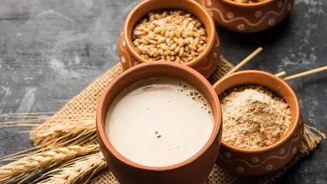
Ambali is a traditional beverage originating from the southern states of India, particularly Karnataka, Andhra Pradesh, and Telangana. For generations, it has been a nourishing staple for farmers and rural communities, valued for its cooling properties
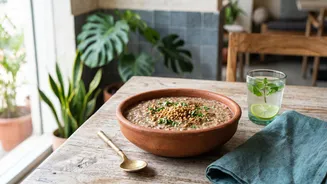
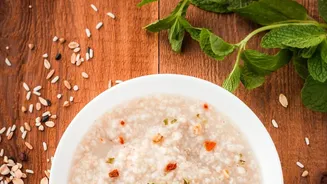
in the scorching heat. At its core, it is a simple porridge or gruel made from finger millet (ragi) flour cooked with water. The mixture is then allowed to cool and ferment, often overnight, which gives it a characteristically mild, tangy flavour and a host of health benefits. Traditionally, it is served in two ways: a savoury version mixed with buttermilk, salt, and sometimes spices like green chillies and chopped onions; or a sweet version with jaggery. This versatile, nutrient-rich drink was the original energy booster, long before commercial sports drinks existed.
Heritage Probiotics in a Glass
The magic of Ambali lies in its fermentation. This ancient, natural process turns a simple millet porridge into a probiotic powerhouse. As the cooked ragi mixture rests, beneficial bacteria, including Lactobacillus strains similar to those in yogurt, begin to multiply. These are the 'good bacteria' that are essential for a healthy gut microbiome. Long before 'gut health' became a wellness buzzword, drinks like Ambali were delivering these benefits. Fermentation not only creates probiotics but also breaks down phytic acid, a compound in millets that can inhibit the absorption of minerals. This makes the abundant calcium and iron in ragi more bioavailable for the body. Essentially, Ambali is a naturally functional food, providing hydration, nutrients, and live cultures in one go.
From Farmer's Fuel to Urban Elixir
So, why is this rustic drink suddenly appearing in chic urban cafes? The trend is driven by a convergence of modern wellness movements. There's a growing consumer interest in gut health, with fermented foods like kombucha and kefir gaining massive popularity; Ambali is India's own traditional answer to this. Furthermore, a strong 'back-to-roots' movement has ignited a renewed appreciation for indigenous grains and ancestral recipes. Health-conscious urbanites are actively seeking nutrient-dense, gluten-free, and natural alternatives to processed foods, and ragi fits this description perfectly. Wellness cafes, which pride themselves on serving organic and locally-sourced menus, find that a heritage drink like Ambali aligns perfectly with their philosophy.
The Modern Ambali Experience
On a modern cafe menu, Ambali is being presented in new and exciting ways, moving beyond its traditional, humble form. While some cafes honour the classic savoury preparation with spiced buttermilk, others are experimenting. You might find Ambali blended into smoothies with fruits like banana, or served as a chilled 'millet cold soup' with contemporary garnishes. Some creative menus even use it as a base for salad dressings or healthy milkshakes. This reinterpretation makes the traditional drink more accessible and appealing to a new generation of diners who may not have grown up with it. It bridges the gap between ancestral wisdom and the modern palate, offering a taste of tradition in a format that feels fresh and current.