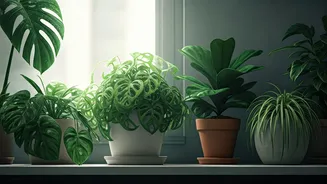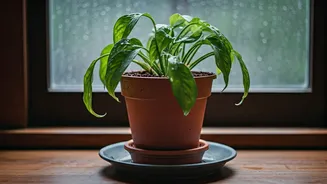






The #1 Danger: Overwatering & Root Rot
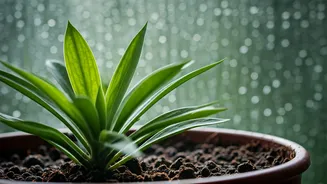
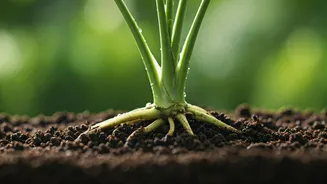
The most common mistake during rainy seasons is maintaining a summer watering schedule. With higher humidity and less sun, soil stays wet for much longer, creating a breeding ground for root rot. This condition, caused by fungi that thrive in damp soil,
suffocates roots, preventing them from absorbing water and nutrients. Signs of overwatering are often mistaken for underwatering: yellowing leaves, wilting despite moist soil, and a mushy stem base. Before you water, stick your finger an inch into the soil; if it feels damp, wait. Also, ensure every pot has drainage holes and empty the saucer after watering. Elevating pots on feet can also improve airflow and drainage.
Let There Be Light (Even When There Isn't)
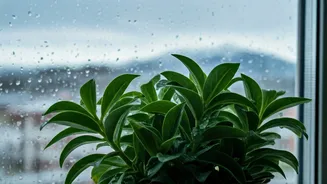
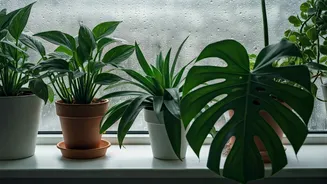
Weeks of cloudy days can take a toll on even the most robust plants. Photosynthesis slows, and plants can become 'leggy,' stretching toward the nearest light source. To compensate, move your plants closer to windows, especially those facing east to catch the morning sun. Regularly clean both your windows and the plants' leaves to maximize light absorption. A simple wipe-down removes dust that can block precious light. If natural light is extremely limited, consider investing in an affordable LED grow light. Even placing a plant near a standard lamp that's on for several hours can help. You can also use mirrors strategically to bounce available light into darker corners of a room.
Pest Patrol: A Humid Haven for Bugs
High humidity and damp soil create a paradise for common houseplant pests like fungus gnats, mealybugs, and scale. Fungus gnats—small, dark flies that hover around the soil—are a sign that the soil is staying too wet. Mealybugs look like tiny cottony spots and hide in leaf joints, sucking sap from the plant. Inspect your plants regularly, paying close attention to the undersides of leaves and stems. Wiping leaves with a neem oil solution every 15 days can act as a preventative measure against both fungi and pests. For existing infestations, isolate the plant and treat it accordingly to prevent the pests from spreading.
Hold the Fertiliser
Most houseplants slow their growth during periods of low light, meaning they require fewer nutrients. Fertilising your plants during the rainy season can do more harm than good, leading to 'fertiliser burn,' where excess salts damage the roots. Signs of this include brown, crispy leaf tips. It is best to pause your feeding schedule until the sunny weather returns and you see signs of active new growth. If you feel you must feed your plants, dilute a balanced liquid fertiliser to half or quarter strength and apply it only once a month. A good rule is to only fertilise during a dry, sunny spell, never when the soil is already saturated.
Relocate, Prune, and Aerate
For plants on balconies or patios, continuous, driving rain can be physically damaging and lead to severe waterlogging. If possible, move these pots to a sheltered location, under an overhang or awning, to protect them from the worst of the downpour. This is also an excellent time for light pruning. Trimming away any yellowing or dead leaves improves air circulation around the plant, which helps prevent fungal diseases. You can also gently aerate the topsoil with a fork or chopstick. This breaks up compacted soil, allowing it to dry out faster and letting oxygen reach the roots. For very heavy or large pots that can't be moved, ensuring they are raised on pot feet is critical for drainage.