









More Than Just a Meal
When we travel, we often seek authenticity—a genuine connection to the place we’re visiting. While museums and guidebooks tell one part of the story, the local cuisine tells another, more intimate tale. Every dish is a product of its environment. The
ingredients are dictated by the soil and weather, the cooking methods are shaped by history and necessity, and the flavours reveal a community's heritage. By paying attention to what people eat and why, we can gain a profound understanding of their daily lives, their struggles, and their triumphs. Food is a physical expression of a region's cultural fabric, a story that goes beyond books and monuments, found instead on the dinner table.
The Desert Plate of Rajasthan
Consider the cuisine of Rajasthan, a state defined by its arid desert landscape. With scarce water and limited fresh vegetables, Rajasthani food is a masterclass in resourcefulness. The diet heavily features grains that require little water, like bajra (pearl millet), and staples like besan (gram flour), which is used to make iconic dishes like Gatte ki Sabzi. A classic meal often includes Ker Sangri, a unique dish made from a desert bean and berry that grow wild in the Thar Desert. Preservation is key, so sun-drying vegetables and making pickles are common practices. The prominent use of milk, buttermilk, and ghee isn't just for flavour; it's a practical adaptation in a land where water was historically more precious than dairy from its pastoral communities. This cuisine doesn’t just feed; it tells a story of resilience in a harsh climate.
The Coastal Bounty of Kerala
Travel south to the lush, tropical coastline of Kerala, and the plate tells a completely different story. Known as the 'Land of Spices', its cuisine is a direct reflection of its geography and history as a centre of the spice trade. Coconuts grow in abundance and are a cornerstone of the cuisine, used as grated coconut, coconut milk, and oil for flavour and thickening. The extensive backwaters and long coastline mean seafood is a staple, not a luxury, appearing in fragrant curries like Meen Moilee. Rice is grown in vast paddies, forming the foundation of most meals, from breakfast dishes like Appam (fermented rice pancakes) to the main course. The food here speaks of abundance, maritime trade, and a life deeply intertwined with water and spices.
The Hardy Harvest of the Himalayas
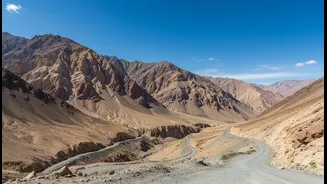
In the high altitudes of the Himalayas, the food is designed to provide warmth and energy in a harsh environment. Traditional crops are hardy and resilient, like buckwheat, barley, and various millets, which can grow where many other grains cannot. Farming on steep terraces is a way of life, and the cuisine reflects this. Due to long, cold winters, preservation techniques like fermenting and drying vegetables are common. Meals are often hearty and warming, such as nourishing stews and soups. The use of foraged wild plants and herbs adds another layer of connection to the immediate environment. This is subsistence transformed into a unique culinary tradition, showcasing an intimate knowledge of the mountain ecosystem and a need for energy-rich, sustaining foods.