




From Weather Warning to Wellness Tool
Across India, from Mumbai to Kerala, the buzz of a weather alert on a smartphone is a familiar part of monsoon life. The India Meteorological Department (IMD) and other agencies do a commendable job of forecasting the intensity and duration of rainfall,
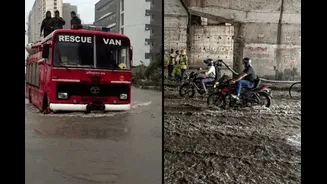
issuing alerts that save lives and property from floods and landslides. These alerts tell us to expect waterlogging, to avoid vulnerable areas, and to follow traffic advisories. They are crucial, but they are incomplete. They focus almost exclusively on the immediate physical dangers of rain, while overlooking a silent, seasonal threat that affects millions every year: the surge in monsoon-related diseases. While we are warned about the downpour, we are not warned about the dengue, malaria, and cholera that often follow in its wake.
The Hidden Epidemic in the Rain
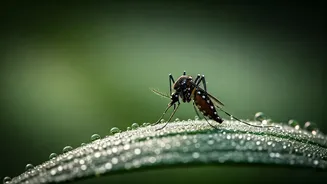
The monsoon season is a double-edged sword. While it brings relief from summer heat, the combination of humidity, waterlogging, and temperature fluctuations creates a perfect breeding ground for viruses, bacteria, and mosquitoes. This leads to a predictable spike in illnesses. Mosquito-borne diseases like dengue, malaria, and chikungunya become rampant as stagnant water provides ideal conditions for mosquitoes to multiply. India already contributes significantly to the global burden of dengue and malaria. Water-borne diseases are another major threat. Heavy rains can contaminate public water supplies, leading to outbreaks of cholera, typhoid, gastroenteritis, and hepatitis A. Then there is leptospirosis, a bacterial disease that spreads when people wade through water contaminated with the urine of infected animals, a common scenario in flooded urban streets. Symptoms of these diseases often overlap—fever, headache, body ache—making self-diagnosis risky and professional medical advice essential.
An Idea Whose Time Has Come
Integrating health advisories into rain alerts is not a futuristic fantasy; the framework already exists. Public health bodies already issue guidelines for monsoon disease prevention, but they are often separate from the immediate, actionable weather alerts people receive. Imagine a future where an alert for "heavy rainfall and waterlogging expected" is followed by a simple, actionable health tip: "Risk of mosquito breeding is high. Clear stagnant water from pots and coolers." Or, "Floodwater contamination risk. Boil all drinking water." This model is already being piloted for other climate-related health threats. In Maharashtra, localised heat-health advisories are sent via SMS to farmers, combining temperature forecasts with practical advice on avoiding heat stress. A similar community-led alert system for heatwaves has been co-developed in Delhi, using simple, colour-coded boards with matched health advice. These initiatives prove that it is possible to bridge the gap between meteorological data and public health action. The technology for targeted, location-specific messaging is in our hands.
Connecting the Dots for Public Health
Creating such an integrated system requires collaboration between the IMD, the National Centre for Disease Control (NCDC), and state and municipal health departments. Weather data, which can predict conditions favourable for vector breeding or water contamination, needs to be linked with public health surveillance. This isn't about causing panic. It’s about empowerment. A simple nudge that reminds citizens to use mosquito repellent, avoid street food during a high-risk period, or watch for specific symptoms like severe calf pain after walking in floodwater (a sign of leptospirosis) can be lifesaving. This proactive approach shifts the focus from reactive treatment in crowded hospitals to preventive care at home and in the community. It transforms a weather forecast from a passive piece of information into an active tool for public health resilience.