



The Post-Feast Feeling
We’ve all been there: leaning back in a chair after a festive dinner, feeling stuffed, sluggish, and uncomfortable. This feeling of being overly full, often accompanied by bloating, gas, or heartburn, is a common consequence of celebratory eating. While
enjoying special foods is part of the fun, overindulging can overwhelm our digestive system, turning a joyful occasion into a period of physical discomfort. The reason is simple: our bodies are not designed to handle a sudden, massive influx of rich, heavy food all at once.
What Happens When You Overeat
When you eat a large meal, your stomach must expand to accommodate the volume. To manage this, your body diverts more blood flow to your digestive tract to ramp up the production of acids and enzymes needed for breakdown. This intense digestive effort requires significant energy, which is why you might feel sleepy or lethargic—the classic 'food coma'. Furthermore, a large volume of food slows down gastric emptying, the process by which food moves from your stomach to your small intestine. This delay can lead to feelings of uncomfortable fullness and pressure that last for hours.
The Role of Rich and Sugary Foods
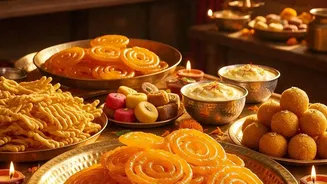
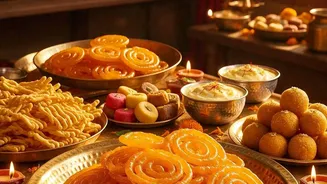
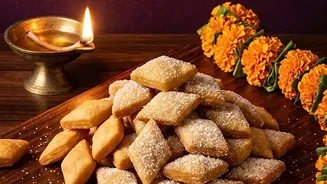
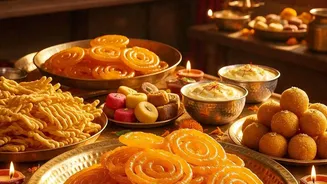
Celebratory meals are often high in fats and refined sugars, which are particularly challenging for your digestive system. High-fat foods take significantly longer to digest than proteins or carbohydrates, further slowing down stomach emptying. This can lead to indigestion and, for some, trigger acid reflux as the stomach's contents are more likely to push back up into the esophagus. Sugary foods and drinks can also cause problems. They can feed gas-producing bacteria in your gut, leading to bloating and discomfort. This combination of high fat and sugar is a recipe for digestive distress.
Why Smaller Portions Are the Solution
Opting for smaller portions allows your digestive system to work more efficiently. Instead of overwhelming your stomach with a large volume of food, a smaller meal can be broken down more effectively, allowing for optimal nutrient absorption without the side effects of bloating and indigestion. It also helps regulate blood sugar levels, preventing the sharp spikes and subsequent crashes that leave you feeling tired. Eating slowly and choosing smaller portions gives your brain the time it needs—about 20 minutes—to receive the 'I'm full' signal from your stomach, helping you avoid overeating in the first place.
Practical Tips for Mindful Indulgence
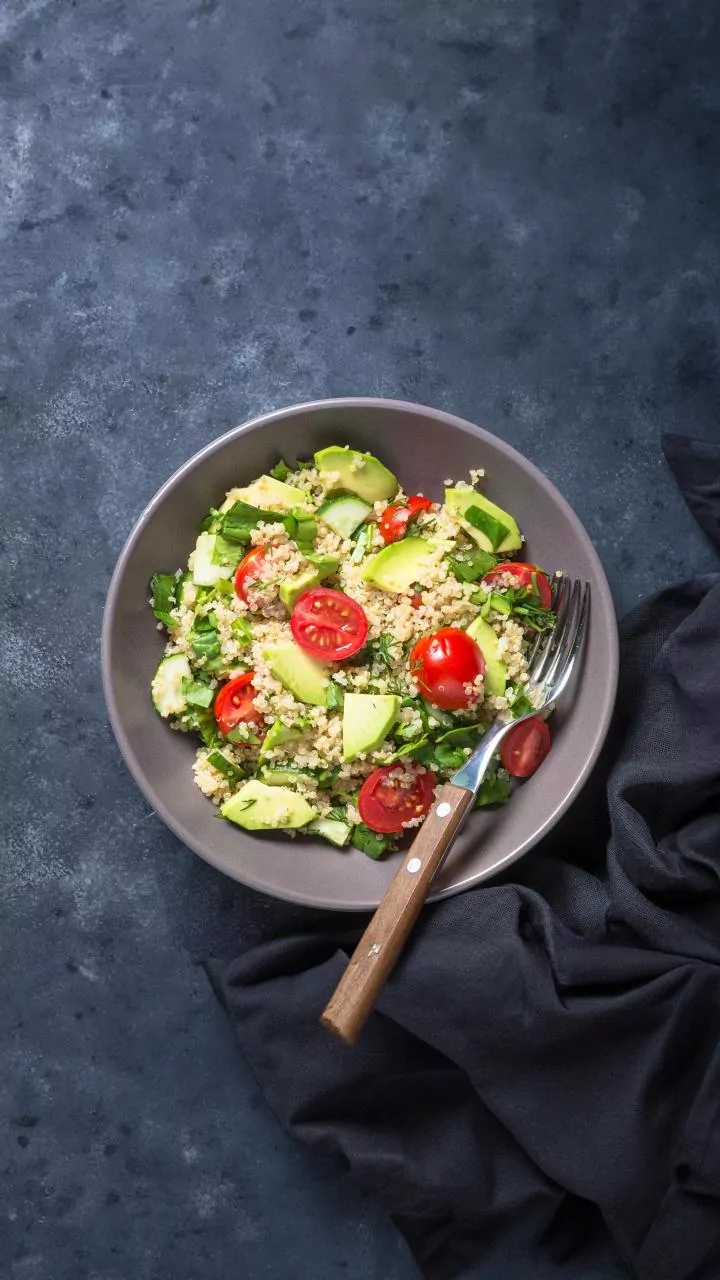
Managing portions doesn’t mean depriving yourself. It's about being more mindful. A simple trick is to use a smaller plate, which can psychologically help you feel satisfied with less food. Before the main event, try not to arrive starving, as this often leads to overeating; having a small, healthy snack beforehand can curb extreme hunger. When you fill your plate, aim to cover half of it with vegetables first before adding smaller servings of richer dishes. Finally, eat slowly and savour each bite. This allows you to truly enjoy your favourite festive foods while giving your body a chance to tell you when it has had enough.