

From Packaged Goods to Dining Destinations
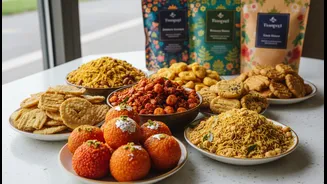
The strategic leap from manufacturing packaged snacks to operating full-service restaurants marks a significant evolution for India's food giants. Brands that built their legacy on traditional namkeen and mithai are now curating immersive dining experiences.
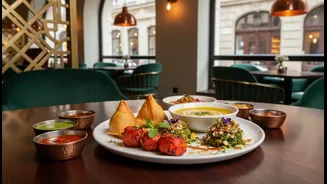
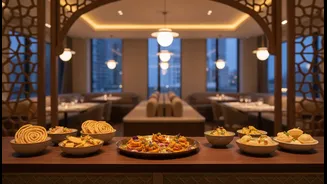
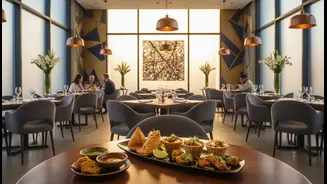
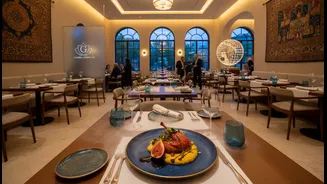
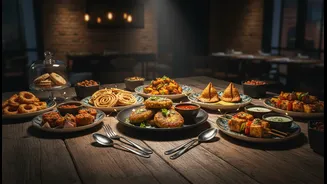
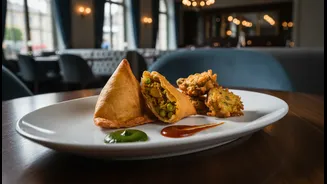
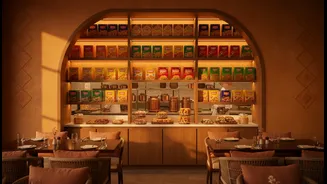
This isn't just about opening a simple café; it's a calculated move to build a deeper connection with consumers. A prime example is Haldiram's, which recently opened a 120-seat casual dining restaurant in London. This venture represents a shift from a quick-service model to a more elaborate, experience-focused establishment, offering a menu that extends well beyond their packaged products to include full-course meals and diverse culinary offerings.
An Evolving, Globalised Menu
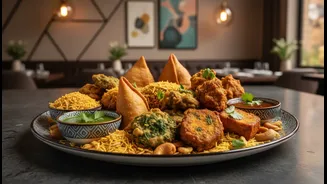
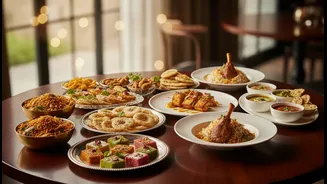
Step into a modern outlet of a brand like Bikanervala or Haldiram's, and you'll find much more than just choley bhature and samosas. While these beloved classics remain, the menu has expanded to embrace a multi-cuisine approach. It's now common to find Indo-Chinese options, Continental sizzlers, pizzas, pastas, and even South Indian dosas alongside North Indian thalis. This diversification is a direct response to a changing consumer palate, especially among younger, urban demographics who are exposed to global food trends. These companies are effectively transforming their outlets from traditional snack shops into all-day dining hubs that cater to a wide array of tastes, making them a convenient option for families and groups with varied preferences.
What's Driving This Transformation?
Several factors are fuelling this strategic pivot. Firstly, the Indian consumer is evolving. With rising disposable incomes, increased international travel, and the pervasive influence of social media, diners are more adventurous and seek out new experiences. There's a growing demand for 'experience-led' dining. Secondly, the Quick Service Restaurant (QSR) market in India is booming, driven by urbanisation and the need for convenient, affordable meal options. By expanding their offerings, traditional Indian brands can compete more effectively with international QSR chains. This move also allows brands to control their entire narrative—from the factory to the table—creating an immersive brand world that builds loyalty beyond the retail shelf.
The Business of Experience
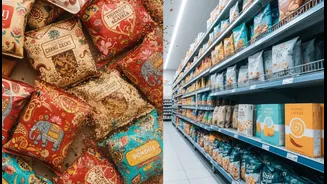
Operating restaurants offers higher profit margins compared to solely relying on the packaged goods sector. A restaurant acts as a physical flagship, a living advertisement for the brand that can also function as a retail point for its packaged products. This hybrid model reinforces brand presence and captures a larger share of the consumer's food budget. Companies like Haldiram's and Bikanervala are also expanding their footprint internationally, not just by exporting snacks, but by opening restaurant franchises in markets like the US and the UK. This global push helps position these legacy brands as major players in the international food and beverage industry, moving them from the 'ethnic' aisle into the mainstream dining scene.
The Road Ahead: Challenges and Opportunities
This expansion is not without its challenges. These brands face intense competition from established global fast-food giants and a crowded field of local restaurants. Managing international supply chains for authentic ingredients and adapting to different regulatory environments also poses significant hurdles. However, the opportunity is immense. By leveraging their deep-rooted brand equity and understanding of the Indian palate, these companies are uniquely positioned to succeed. They are blending tradition with modernity, offering the comfort of familiar flavours alongside the excitement of new culinary experiences. This evolution reflects a confident, globalising India, where a plate of paneer tikka can comfortably share a table with a plate of veg noodles.