



Why Georgia Is on Every Digital Nomad’s Radar
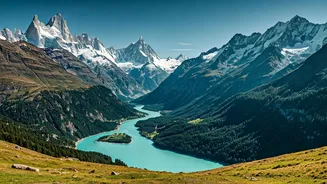
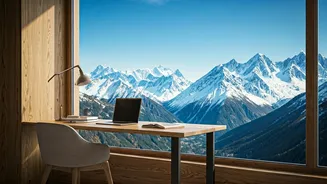
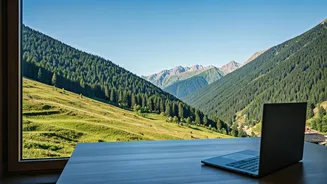
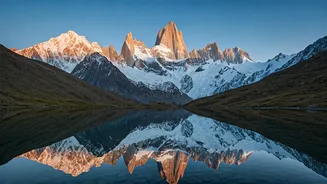
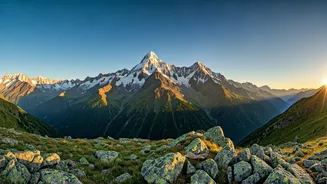
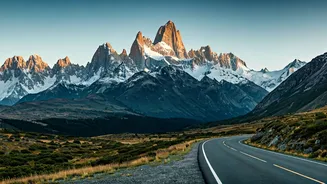
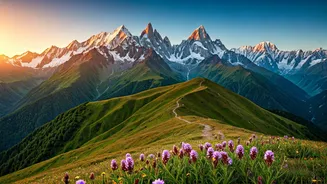
Imagine swapping your cramped city apartment for a balcony with panoramic views of snow-capped peaks, all while staying connected and productive. This is the promise of Georgia, a country that has rapidly emerged as a haven for remote workers. For Indians,
the appeal is multi-layered. Firstly, there's the incredible value. The cost of living is significantly lower than in Western Europe and even compares favourably to popular Southeast Asian hubs like Bali or Thailand. Secondly, the logistics are refreshingly simple. Georgia offers a digital nomad visa program, and many Indian passport holders with valid visas from countries like the US, UK, or Schengen states can enter visa-free for 90 days, making spontaneous trips possible. Finally, it’s the unique blend of ancient history, vibrant culture, and breathtaking nature that truly sets it apart.
The 'Pocket-Friendly' Promise: A Cost Breakdown
Let’s talk numbers. A comfortable, modern one-bedroom apartment in a Georgian mountain town can be rented for ₹25,000-₹40,000 per month, a fraction of the cost in a major Indian metro. Daily expenses are equally gentle on the wallet. A delicious meal at a local restaurant, featuring Georgian specialities like khachapuri (cheese-filled bread) and khinkali (dumplings), can cost as little as ₹400-₹600. Groceries are fresh and affordable, especially at local markets. High-speed internet, the lifeline of any remote worker, is widely available and reliable, with monthly plans often costing under ₹1,500. When you compare this to the seasonal price surges in Goa or Himachal, Georgia presents a stable, year-round affordable alternative without compromising on beauty or amenities.
Hub 1: Gudauri – The Alpine Playground
Just a two-hour scenic drive from the capital, Tbilisi, Gudauri is Georgia’s premier ski resort. But its appeal extends far beyond winter. For remote workers, it offers the best of both worlds: modern apartment complexes with reliable Wi-Fi and the raw beauty of the mountains right at your doorstep. In winter, you can finish your workday and hit the ski slopes for a few hours before sunset. In summer, the area transforms into a paradise for hikers and paragliders. Its proximity to Tbilisi also means that a weekend city break for culture, cuisine, and nightlife is always an easy option. Gudauri is ideal for those who want alpine adventure without sacrificing modern comforts.
Hub 2: Kazbegi (Stepantsminda) – The Iconic View
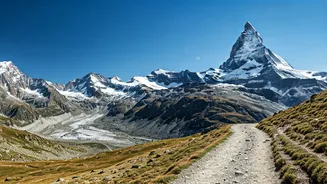
If your idea of a perfect workspace involves a view that looks like a postcard, Kazbegi is your destination. Nestled in a valley with the iconic Gergeti Trinity Church perched on a hill against the backdrop of the mighty Mount Kazbek, this town is pure inspiration. The pace of life here is slower and more connected to nature. Accommodation ranges from cozy, family-run guesthouses offering home-cooked meals to boutique hotels. The internet is strong enough for video calls and daily tasks, allowing you to work with one of the world's most epic landscapes outside your window. It’s a trekker’s dream, with countless trails leading into the Truso and Sno valleys, making it easy to disconnect and recharge after logging off.
Hub 3: Mestia (Svaneti) – The Adventurous Outpost
For the more adventurous remote worker willing to go off the beaten path, Mestia is the jewel of the Svaneti region. This remote area is famous for its medieval stone defensive towers (koshki), which give the landscape a mystical, 'Game of Thrones' feel. Getting here takes longer, but the reward is an authentic experience in a region with a unique culture and language. While the infrastructure is more rustic than in Gudauri or Kazbegi, internet connectivity has improved dramatically, and co-working spaces are beginning to pop up. Mestia is the base for some of Georgia's most famous treks, including the 4-day hike to Ushguli, one of the highest continuously inhabited villages in Europe. It's a place for those who crave deep immersion and rugged beauty.