





The Festive Sleep Disruption
Festive periods are notorious for throwing our routines into disarray. Late-night socialising, travel, rich foods, and alcohol can all independently disrupt our internal body clock, also known as our circadian rhythm. Alcohol, for example, might make
you feel drowsy initially, but it leads to fragmented, less restorative sleep later in the night as your body metabolises it. Similarly, large, sugary, or heavy meals close to bedtime can cause indigestion and energy spikes that interfere with your ability to rest. This creates a state of 'social jetlag', where your sleep schedule is inconsistent, leaving you feeling groggy and run down even when the parties have ended.
How Screens Sabotage Sleep
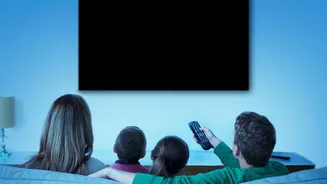
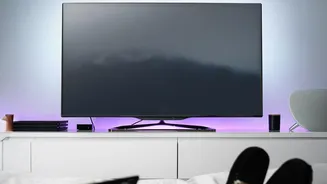
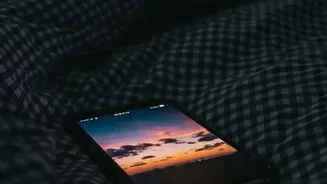
The primary way screens disrupt sleep is by emitting blue light. This specific wavelength of light is particularly effective at tricking your brain into thinking it's still daytime. When light enters your eye, it sends a signal to your brain to suppress the production of melatonin, the hormone responsible for making you feel sleepy. Normally, melatonin levels rise as darkness falls, signalling that it's time to wind down. However, exposure to blue light from phones, tablets, and laptops in the evening can delay this process, making it significantly harder to fall asleep. Studies have shown that just a couple of hours of screen time at night can be enough to meaningfully disrupt this crucial hormonal surge.
A Perfect Storm for Poor Sleep
When you combine the existing disruption from festive activities with late-night screen use, you create a perfect storm for poor sleep. Your body is already struggling to maintain its rhythm due to late nights and dietary changes. Adding blue light into the mix is like telling your already confused brain to stay awake and alert. Furthermore, the content we consume on screens is often stimulating in itself. Scrolling through social media, watching an exciting show, or checking work emails keeps your brain engaged and can even cause rushes of adrenaline, which is the opposite of the calm state needed for sleep. This mental stimulation compounds the physiological effects of blue light, making a peaceful transition to sleep nearly impossible.
Your Action Plan for Better Post-Festive Sleep
Reclaiming your rest after a busy festive season requires a conscious effort to wind down properly. The most effective strategy is to implement a 'digital curfew'. Aim to put away all electronic devices at least 60 to 90 minutes before you intend to sleep. This screen-free window allows your brain to register the evening darkness and begin its natural melatonin production. If you must use a device, activate 'night mode' or use a blue-light filtering app to reduce the most disruptive wavelengths. However, experts agree that abstaining from screens altogether is the most effective approach.
Replace the Scroll with a Relaxing Ritual
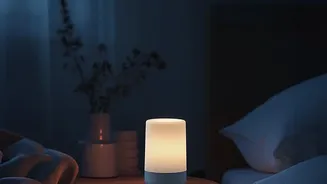
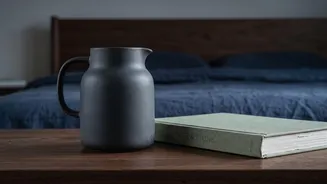
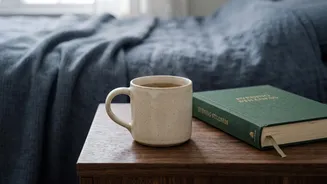
You can't just remove a habit; you need to replace it with something better. Use your new screen-free time before bed to establish a calming routine that signals to your body it's time for rest. Consider activities like reading a physical book under soft light, listening to gentle music, light stretching or bedtime yoga, or taking a warm bath. Journaling can also be an effective way to process the day's events and calm a racing mind. The key is to choose a low-stimulation activity that you find genuinely relaxing, helping your mind and body to unwind naturally.
Resetting Your Sleep Sanctuary
To fully recover, it's also important to get back to a consistent sleep schedule as quickly as possible, even on weekends. Try to wake up at your usual time, even after a late night, to help reset your internal clock. Make your bedroom a sanctuary for sleep by ensuring it is cool, dark, and quiet. Charging your phone outside the bedroom can be a powerful move, removing the temptation to scroll one last time. By being mindful of both your environment and your pre-sleep habits, you can effectively navigate the aftermath of festive fun and restore the steady, rejuvenating sleep your body needs.