




The Science of Your Nervous System
To understand why this works, we first need to talk about your nervous system. It has two main modes: the sympathetic state, better known as the 'fight-or-flight' response, and the parasympathetic state, or the 'rest-and-digest' system. When you feel
anxious or panicked, your sympathetic system is in overdrive. To feel calm again, you need to activate the parasympathetic system. This is where the vagus nerve comes in. As the longest cranial nerve in your body, it acts as a master switch, connecting your brain to major organs and regulating your body's relaxation response. Stimulating this nerve is key to shifting out of a high-anxiety state.
Activating the Mammalian Dive Reflex
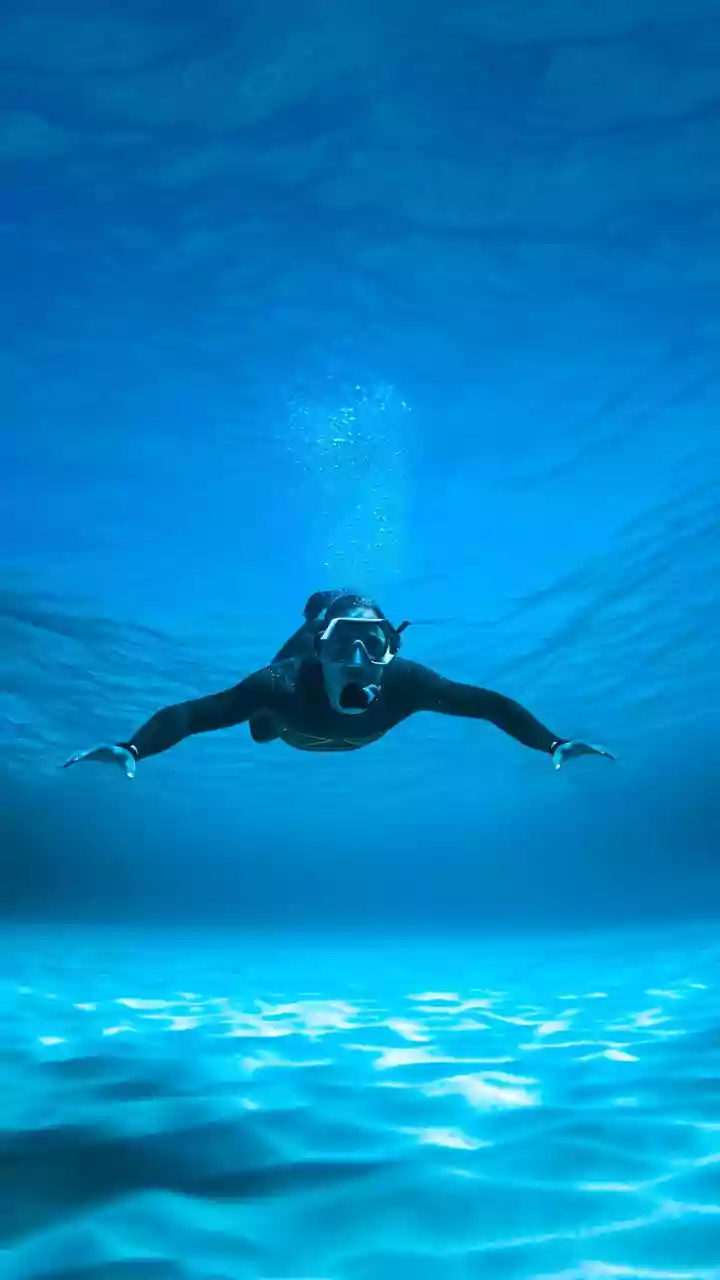
All mammals, including humans, have a built-in survival mechanism called the mammalian dive reflex. This reflex is triggered when your face, particularly the area around your eyes and cheeks, is exposed to cold water while you hold your breath. This action sends a powerful signal through your nerves that your body is preparing to dive underwater. In response, your body automatically initiates several changes to conserve oxygen: your heart rate slows down, and blood flow is redirected from your extremities to your vital organs, like the heart and brain. This physiological 'reset button' effectively interrupts the panic cycle and engages your parasympathetic nervous system, creating an almost immediate sense of calm.
A Step-by-Step Guide
Ready to try it? The process is simple and can be done almost anywhere. All you need is a bowl large enough to fit your face and cold water. For an enhanced effect, add a few ice cubes. 1. Fill the bowl with cold water, aiming for a temperature between 10-15°C if possible. 2. Take a deep breath and prepare to submerge your face. 3. Lean over and dip your face into the water, ensuring your cheeks, forehead, and the area around your eyes are covered. 4. Hold your breath and keep your face in the water for 15 to 30 seconds. 5. Lift your face out, breathe, and notice how you feel. You can repeat the process a few times if needed. That initial shock of cold is part of the process, but many find it gets easier with practice.
What to Expect and Other Options
The primary sensation you'll notice is a rapid slowing of your heart rate. The intensity of the cold forces your mind to focus on the physical sensation, pulling you away from racing thoughts. Beyond anxiety relief, regular cold exposure can release mood-elevating neurotransmitters like dopamine and norepinephrine, which can improve focus and feelings of well-being. If dunking your face feels too intense, you can achieve a similar, though perhaps less powerful, effect by splashing cold water on your face, or holding an ice pack or a cold, wet cloth against your cheeks and eyes while holding your breath for 30 seconds.
Important Safety Considerations
While this technique is widely considered safe, there are a few things to keep in mind. The goal is to create a brief, controlled stressor, not to cause harm. You don't need to use painfully icy water, and a duration of 15-30 seconds is sufficient to trigger the reflex. If you have any cardiovascular health issues, it's wise to consult with your doctor before trying any form of cold water therapy, as the sudden temperature change affects heart rate and blood flow. Similarly, those with skin conditions like rosacea or broken capillaries should check with a dermatologist first. This method is a tool for managing acute moments of distress, not a cure for chronic anxiety.