







Think of a typical weekend. The air is thick with traffic fumes and the blare of horns as you inch towards a sprawling mall. Inside, a different kind of noise takes over. But what if there was an alternative, a path that was cooler and quieter?
The Familiar Frenzy of the Mall
For many
urban dwellers in India, the weekend offers a familiar ritual: a trip to the nearest shopping mall. It promises air-conditioned comfort, endless shopping, a food court with a dozen cuisines, and a cinema. But this escape comes at a cost. The journey itself is often a battle with traffic and parking. Once inside, you are met with a sensory assault. Music from competing stores blends into a cacophonous hum, bright lights glare from every angle, and the sheer density of the crowd creates a constant, low-level stress. Malls are designed to be immersive experiences, meticulously engineered to guide your senses and encourage spending. While they have become modern community hubs, offering entertainment beyond retail, the core experience is often one of overstimulation and consumption. You leave with lighter wallets and, often, a feeling of being drained rather than restored.
An Invitation to Stillness
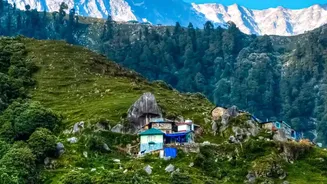
Now, imagine a different path. This one doesn’t lead to a multi-storey concrete structure but winds through a forest of ancient trees. In the Himalayan foothills, places like Ranikhet, Nainital, and the surrounding Kumaon region are home to dense oak and rhododendron forests. These aren't just patches of green; they are entire ecosystems whispering an invitation to slow down. The trails here are not designed for commerce but for connection. They are paths that locals have walked for generations, leading to temples, villages, or simply deeper into the woods. The air here isn't recycled and artificially cooled; it's genuinely crisp and cool, carrying the scent of damp earth and pine needles. This is the alternative the headline hints at—a world away from the manufactured buzz of the mall.
The Symphony of the Forest
Walking on an oak forest trail is an exercise in rediscovery. The silence is the first thing you notice. It’s not an absence of sound, but a different quality of it. You hear the rustle of leaves underfoot, the distant call of a bird, and the wind moving through the canopy. In the oak forests of Uttarakhand, the wide-trunked trees are often draped in moss and ferns, creating a lush, green world that feels ancient and alive. Sunlight filters through the dense leaves, dappling the path in shifting patterns of light and shadow. The coolness is a natural consequence of the shade provided by the massive oak canopy, a welcome respite from the relentless Indian sun. Instead of the frantic energy of a crowd, there is a profound sense of peace. The goal is not a destination, but the journey itself—a slow, deliberate act of paying attention.
The Science of Natural Calm
This feeling of well-being isn't just subjective; it's backed by science. Studies consistently show that spending time in natural environments provides significant mental and physical health benefits that urban settings often can't match. Walking in nature has been proven to lower levels of the stress hormone cortisol, reduce blood pressure, and improve mood more effectively than walking in a built-up environment. While a mall is designed to stimulate and arouse, a forest walk has a restorative effect, helping to improve focus and reduce mental fatigue. The experience shifts your attention from the external pressures of what to buy or where to go next, to the internal rhythm of your own breath and footsteps. It replaces anxiety and irritation with feelings of joy and calm. This is the fundamental difference: the mall is designed to take from you—your time, your money, your attention—while the forest gives back, restoring your energy and peace of mind.