


From Messy Testers to Digital Mirrors
For decades, the beauty counter experience was defined by physical trial and error. Customers would swatch dozens of lipstick shades on their hands or rely on tiny, often-used disposable wands to test mascaras. While tactile, this process came with significant
drawbacks, including hygiene concerns, poor store lighting that distorted colours, and the simple inconvenience of having to remove and reapply products. The arrival of online shopping introduced convenience but created a new problem: the inability to try before you buy. This led to a cycle of guessing, purchasing, and often, returning products that weren't the right match, a costly issue for both consumers and brands.
How AI Try-On Actually Works
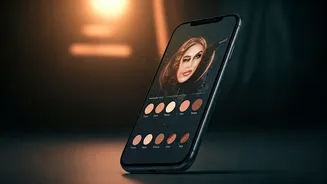
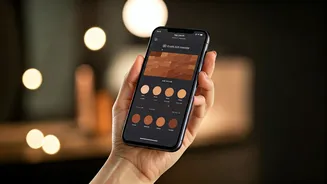
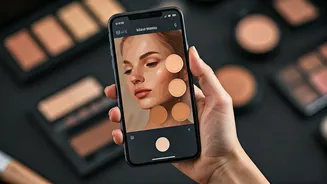
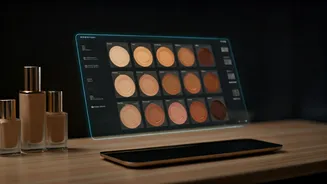
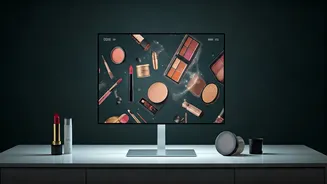
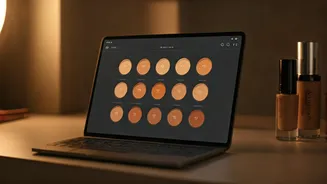
Enter Artificial Intelligence (AI) and Augmented Reality (AR). Virtual try-on tools use a device's camera to map a user's facial features in real-time, detecting the precise location of lips, eyes, and cheeks. When a user selects a product—be it a lipstick, eyeshadow, or foundation—the technology overlays a hyper-realistic digital rendering of that product onto their face. Companies like Perfect Corp. and L'Oréal's ModiFace have developed sophisticated algorithms that account for skin tone, texture, and even lighting conditions to ensure the virtual application is as true-to-life as possible. This allows customers to experiment with hundreds of shades and products in seconds, all from the comfort of their home.
The Compelling Business Case
For beauty retailers and brands, adopting this technology is about much more than just a novelty. The return on investment is significant and multifaceted. One of the most compelling benefits is a dramatic increase in conversion rates. Studies have shown that when customers can virtually try a product, they are significantly more likely to make a purchase, with some brands seeing conversion rates double or more. This confidence also leads to larger basket sizes. Furthermore, by helping customers find their perfect shade match before they buy, AI try-on tools can drastically reduce product returns, which are a major logistical and financial drain on e-commerce businesses. The data gathered from these interactions is also invaluable, giving brands direct insight into which products and shades are most popular.
A More Personalised Shopping Spree
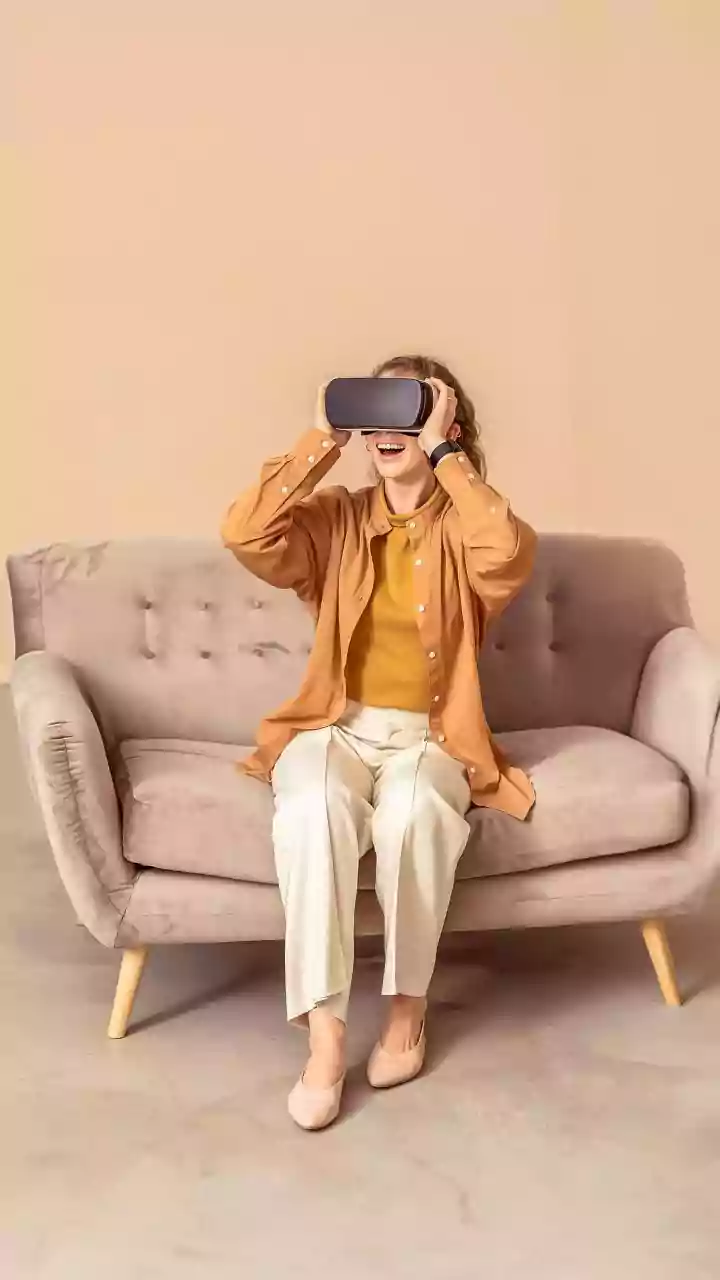
The benefits for the consumer are just as powerful. The primary appeal is the unmatched convenience and personalisation. Shoppers can try on an entire lipstick range in minutes without leaving their couch or test a bold new eyeshadow look without judgment. This encourages experimentation and discovery. For many, it removes the uncertainty that comes with online beauty shopping. The technology also enhances accessibility, offering a comfortable and effective shopping solution for individuals who may not be able to easily visit physical stores. Major retailers like Sephora and Ulta, and brands from Maybelline to MAC, have integrated these tools into their apps and websites, recognising that a modern, personalised experience builds customer loyalty.
Leading the Digital Beauty Charge
The race to own the virtual beauty counter has been led by a few key innovators. L'Oréal made a decisive move by acquiring AR and AI company ModiFace in 2018, integrating its technology across its vast portfolio of brands, including Lancôme and Maybelline, and even powering Amazon's virtual try-on features. Perfect Corp., with its YouCam Makeup app, has partnered with hundreds of brands and seen engagement and conversion rates soar, demonstrating the massive consumer appetite for these tools. Retail giant Sephora was an early adopter with its 'Virtual Artist' feature, which logged over 200 million shade try-ons within its first two years, proving the technology's mainstream appeal.
What's Next for Beauty Tech?
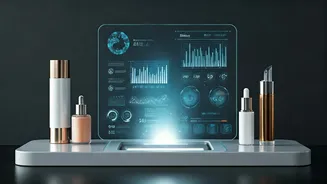
The evolution is far from over. The future of beauty tech points towards even greater personalisation and integration. We are already seeing AI-powered skin analysis tools that recommend entire skincare routines based on a single selfie. Future iterations will likely offer even more hyper-realistic simulations that account for different lighting scenarios and may even predict how a foundation will wear throughout the day. In-store, smart mirrors are already combining try-on capabilities with personalised recommendations, blending the best of digital and physical retail. This technology is not just changing how we shop; it's creating a more intelligent, responsive, and individualised beauty industry.