



The Promise: A Pocket Dermatologist
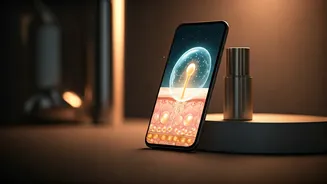
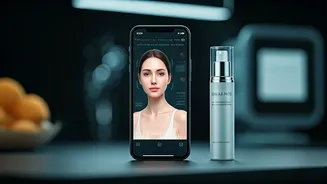
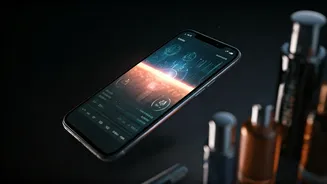
The appeal of AI skin analysis apps is undeniable. In seconds, these apps use your phone's camera to scan your face, promising a detailed report on everything from hydration and pore size to wrinkles and pigmentation. They use advanced algorithms, trained
on millions of images, to identify your unique skin concerns. The ultimate goal is to offer a hyper-personalised skincare regimen tailored just for you, recommending specific products to target your issues without the wait or cost of a specialist appointment. It’s a compelling vision: expert advice, instantly available, right in your pocket.
Reality Check: They Are Not a Doctor
Here's the most critical takeaway: these apps are not a substitute for a board-certified dermatologist. While some AI has shown promise in identifying certain conditions in clinical settings, consumer apps operate with far less control. Experts warn that they cannot diagnose medical conditions like eczema, rosacea, or, most importantly, skin cancer. Studies have shown that the accuracy of apps in identifying suspicious lesions can be highly variable and dangerously low, risking false reassurance that could delay crucial medical care. An app can't feel your skin's texture or understand your lifestyle, diet, or hormonal changes, all of which are vital for a proper diagnosis.
Reality Check: The Recommendations Might Be Biased
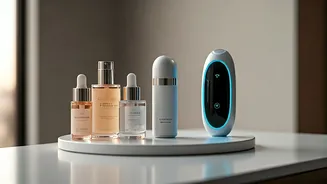
Many popular skin analysis apps are not impartial advisors. They are often developed by or partnered with major skincare brands. This creates an inherent conflict of interest. The app's primary function can become a sales funnel, guiding you toward purchasing products from that specific brand, regardless of whether they are the absolute best choice for you. Customer reviews for some apps also reveal frustrations with hidden charges and subscription models, suggesting the focus isn't always purely on skin health. The recommendations, while presented as scientific, may simply be part of a sophisticated marketing strategy designed to convert your skin concerns into sales.
Reality Check: Your Selfie Isn't a Lab-Grade Photo
The accuracy of any AI analysis depends heavily on the quality of the data it receives. Clinical studies often use high-resolution photos taken in perfectly controlled lighting. Your selfie, taken in a dimly lit bathroom with your phone's front-facing camera, is not the same. Factors like shadows, camera angle, and even leftover makeup can drastically skew the results. Furthermore, a significant concern is algorithmic bias. Many AI models have been trained on datasets that underrepresent darker skin tones. This can lead to inaccurate assessments and recommendations for people with brown and Black skin, as the AI may misinterpret hyperpigmentation or fail to detect inflammation that doesn't present as redness.
So, Are They Completely Useless?
Despite the major limitations, AI skin apps aren't entirely without merit. Their greatest strength lies in tracking progress over time. By taking regular photos under similar conditions, you can create a visual diary of your skin's journey. This can help you objectively assess whether a new routine is working, monitor the fading of acne marks, or see if your hydration levels are improving. They can also be a great educational tool, introducing you to concepts like skin texture, hydration, and pigmentation, and encouraging more consistent attention to your skin health. Think of them less as a diagnostician and more as a motivational journal that keeps you engaged with your skincare goals.