





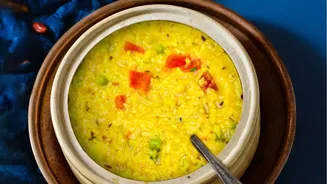
Prioritise Protein and Healthy Fats
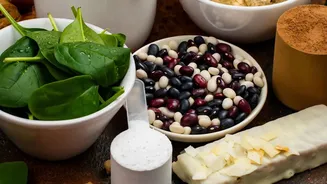
One of the most common reasons for feeling weak or constantly hungry during Navratri is a lack of protein. Most traditional fasting foods are carbohydrate-heavy, leading to quick energy spikes followed by crashes. To create lasting fullness, it's crucial
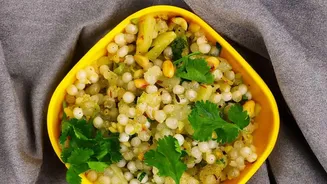
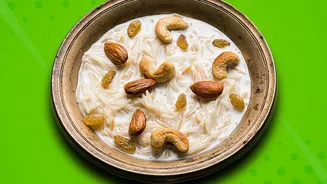
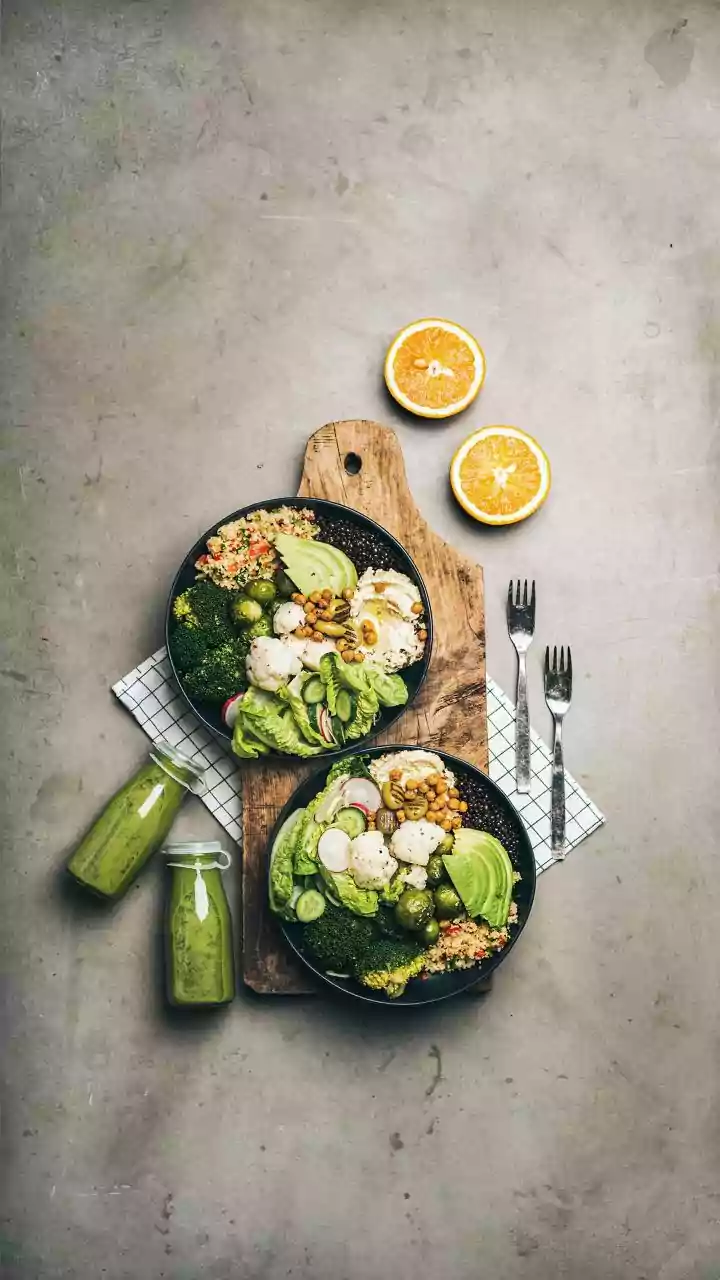
to incorporate protein-rich foods into your meals. Dairy products like paneer, curd (yoghurt), and milk are excellent sources. Nuts such as almonds and walnuts, along with seeds, not only provide protein but also healthy fats that slow down digestion and promote satiety. Even adding peanuts to sabudana khichdi can make a significant difference in balancing the meal and keeping you full for longer.
Choose Complex Carbs, Not Just Simple Ones
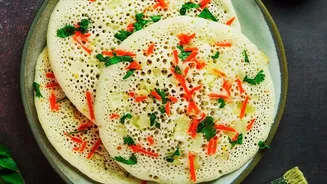
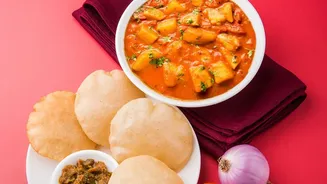
While potatoes and sabudana (tapioca pearls) are staples of Navratri fasting, relying on them exclusively can be counterproductive. They are primarily simple carbohydrates that provide quick energy but can leave you feeling hungry soon after. Instead, focus on complex carbohydrates from fasting-approved flours like buckwheat (kuttu), amaranth (rajgira), and water chestnut (singhara). These flours are rich in fibre, which adds bulk to meals and helps you feel full for a longer duration. Preparing rotis or cheelas from these flours instead of deep-fried puris is a much healthier way to consume them. Other excellent sources of complex carbs include sweet potatoes and barnyard millet (samak rice), which are both filling and nutritious.
Rethink Your Cooking Methods
Often, the issue isn't the food itself but how it's prepared. The Navratri diet can quickly become unhealthy if it's dominated by deep-fried items like pakoras, puris, and vadas. These foods are high in calories and can cause bloating and sluggishness. Instead of deep-frying, explore lighter cooking techniques. You can bake, air-fry, grill, or steam your food. For instance, make baked sweet potato fries instead of deep-fried potato chips, or try steamed kuttu dhokla instead of fried pakoras. Roasting makhana (fox nuts) with a minimal amount of ghee is another fantastic alternative to packaged, fried snacks.
Hydrate Intelligently
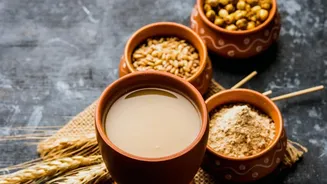
Sometimes, our bodies mistake thirst for hunger. Staying well-hydrated is essential during fasting to maintain energy levels and prevent unnecessary snacking. Aim to drink plenty of water throughout the day. Beyond plain water, you can include other hydrating and nourishing drinks like coconut water, fresh buttermilk (chaas), and lemon water. These drinks help maintain your body's electrolyte balance, which is crucial for preventing fatigue. Herbal teas without sugar are also a great option to keep you warm and hydrated.
Incorporate Fibre-Rich Fruits and Vegetables
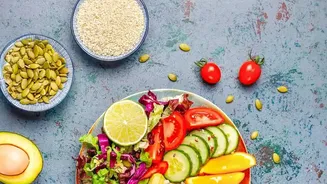
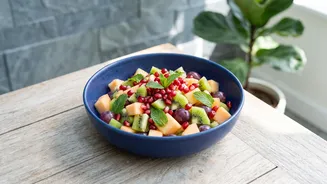
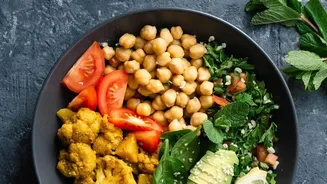
Fruits and vegetables are your best friends during Navratri fasting. They are packed with essential vitamins, minerals, and fibre, all of which contribute to a feeling of fullness and well-being. Fruits like apples, bananas, and papayas provide natural sugars for a quick energy boost without the crash associated with refined sugar. Vegetables permitted during the fast, such as bottle gourd (lauki) and pumpkin, are hydrating and easy to digest. You can make simple sabzis, soups, or have a bowl of fruit chaat as a healthy and filling snack between meals.