





A Climate Event with Global Reach
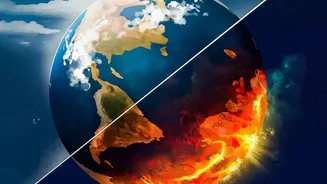
El Niño is a naturally occurring climate pattern marked by the unusual warming of sea surface temperatures in the central and eastern equatorial Pacific Ocean. While it starts thousands of kilometres away, its effects ripple across the globe, altering
atmospheric circulation and influencing temperature and rainfall worldwide. For India, El Niño has historically been associated with higher temperatures and a greater chance of below-normal monsoon rainfall, leading to drier conditions. Forecasts for the current 2026 event show it is strengthening and expected to persist into early 2027, with a high probability of becoming a very strong event. The World Health Organization (WHO) has already escalated its response to its highest emergency level, flagging India as a country facing high public health risks.
The Threat of Vector-Borne Diseases
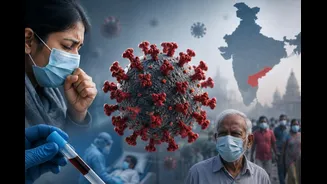
One of the most immediate health concerns linked to El Niño is the surge in vector-borne diseases. Altered temperature and rainfall patterns create ideal breeding conditions for mosquitoes, the vectors for diseases like dengue, malaria, and chikungunya. Warmer temperatures can accelerate mosquito breeding cycles and viral replication, while erratic rainfall can lead to stagnant water in some areas—or force households to store water improperly in others—creating new breeding grounds. Health authorities have noted that past El Niño years saw a rise in dengue cases, prompting advisories for states to ramp up surveillance and preparedness. Studies have already drawn a direct correlation between El Niño and a rise in dengue cases in regions like Kerala, highlighting the need for proactive mosquito control and public awareness campaigns.
Water Contamination and Scarcity
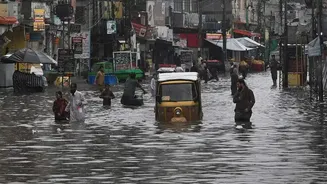
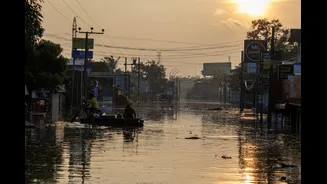
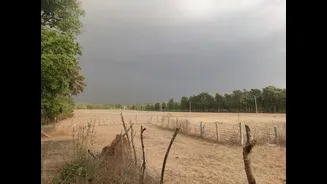
El Niño's impact on rainfall is a double-edged sword for water safety. On one hand, prolonged drought and water scarcity can lead to the depletion of safe drinking water sources, forcing communities to use contaminated alternatives. This increases the risk of waterborne diseases like cholera, typhoid, and other gastrointestinal infections. On the other hand, even in a season with an overall rainfall deficit, short bursts of extreme rain can cause localised flooding, overwhelming sanitation systems and contaminating water supplies. With nearly half of India's cultivated land being rain-fed, a weak or erratic monsoon not only threatens agriculture but also the availability of clean water for drinking and hygiene, compounding public health challenges.
Extreme Heat and Its Hidden Dangers
A strengthening El Niño is strongly linked to more frequent and intense heatwaves. The health risks of extreme heat are significant, ranging from dehydration and heat exhaustion to life-threatening heatstroke, particularly for outdoor workers and vulnerable populations like the elderly and children. Beyond these direct impacts, sustained heat exacerbates existing chronic health conditions. It places immense strain on the cardiovascular system, worsens respiratory illnesses, and can create complications for individuals with diabetes or kidney disease. This 'threat multiplier' effect means that hospitals and health services must prepare not only for heatstroke cases but also for a surge in patients with worsening chronic illnesses.
Food Security and Nutritional Health
The climatic disruptions of El Niño pose a significant threat to India's agricultural sector and, by extension, its food security. Reduced rainfall, shifting monsoon patterns, and extreme heat can lead to crop failures and lower yields for staples like rice and wheat. This can result in food shortages, price spikes, and diminished livelihoods for rural communities. The subsequent risk of malnutrition and under-nutrition, especially among children and pregnant women, can weaken immune systems and make populations more susceptible to the very infectious diseases that El Niño helps to spread. This interconnected crisis of food, water, and health underscores the comprehensive preparedness that the 2026 El Niño demands.