


The Problem with Maida
For decades, maida, or refined all-purpose flour, has been the silent, default ingredient in countless Indian snacks, sweets, and breads. Its fine texture and neutral taste make it versatile, but this convenience comes at a nutritional cost. Maida is produced
by stripping wheat of its fibrous bran and nutrient-rich germ, leaving behind only the starchy endosperm. This process removes almost all dietary fibre, vitamins, and minerals. When consumed, maida acts quickly to spike blood sugar levels. Its lack of fibre can also slow down digestion, often leading to feelings of bloating, constipation, and general sluggishness. Often called the 'white poison', its regular consumption has been linked to various lifestyle and digestive issues, prompting a return to more wholesome, traditional alternatives.
Jowar (Sorghum): The Versatile All-Rounder
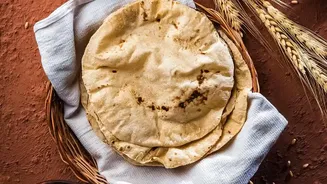
Jowar is a gluten-free powerhouse and one of the easiest grains to begin your journey with. Rich in dietary fibre, it actively aids digestion and helps in managing blood sugar levels. Jowar is also packed with essential minerals like phosphorus and potassium. Its slightly dense texture makes it a fantastic replacement for maida in both savoury and sweet snacks. Try using jowar flour to make baked mathris or mini baked puris for chaat. You can also mix it with a little whole wheat flour to create a more pliable dough for parathas or the outer shell of a healthier, baked samosa. Its mild, slightly sweet flavour pairs well with traditional Indian spices.
Ragi (Finger Millet): The Nutrient-Dense Wonder
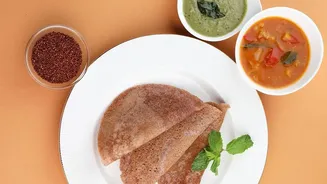
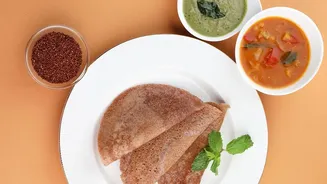
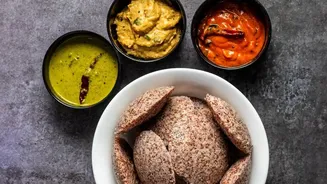
Ragi is a true superfood, celebrated for its incredible nutritional profile. It's one of the best plant-based sources of calcium, crucial for bone health. Furthermore, its high fibre content ensures you feel full for longer and promotes a healthy gut. While its dark colour might change the appearance of traditional snacks, the health benefits are worth it. Ragi flour can be used to create delicious and crispy dosas, healthy crackers, or even a nutritious version of murukku (chakli). For those with a sweet tooth, ragi can be incorporated into halwa or ladoos, replacing a portion of the refined flour or semolina for a guilt-free treat that is both delicious and exceptionally good for you.
Bajra (Pearl Millet): The Warming Winter Staple
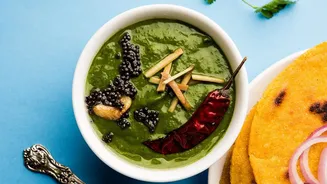
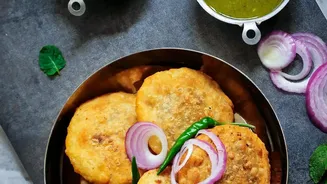
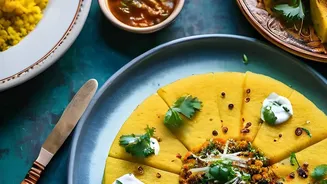
Known for its warming properties, bajra is traditionally consumed during the colder months in India. This gluten-free grain is high in fibre, protein, and essential minerals like magnesium, which is vital for heart health. Its distinct nutty flavour can elevate the taste of many snacks. Bajra flour is perfect for making traditional Rajasthani and Gujarati snacks like theplas and muthias. You can also use it to create a rustic, flavourful dough for kachoris, which can be air-fried or baked instead of deep-fried. A simple mix of bajra and whole wheat flour can be used to make savoury pancakes or chillas, packed with finely chopped vegetables for an easy, digestive-friendly evening snack.
Tips for a Smooth Swap
Switching from maida to heritage grains doesn't have to be complicated, but it helps to keep a few things in mind. First, don't always go for a one-to-one replacement. Ancient grain flours have different densities and properties. Start by substituting 25-30% of the maida with your chosen grain flour and see how the texture turns out. For baked goods, you might need to add a bit more liquid or a binding agent like a banana or yoghurt. Blending flours, such as jowar with a little bit of whole wheat or chickpea flour (besan), can also yield a better texture that more closely mimics what you are used to with maida. The key is to experiment and find the combinations that work best for your favourite recipes.