





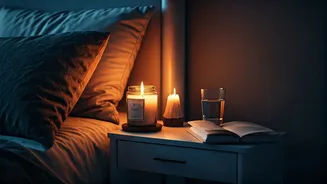


The Science Behind the Glow
The problem with stark, cool-white bulbs lies in the type of light they emit. These bulbs are high in blue light, the same kind emitted by our phone screens and the midday sun. During the day, blue light is great; it signals to our brains to be alert
and awake. However, exposure to it in the evening can disrupt our natural sleep-wake cycle, or circadian rhythm. It suppresses the production of melatonin, the hormone that tells your body it's time to sleep. This can lead to difficulty falling asleep, poorer sleep quality, and even next-day grogginess. Warm, amber-toned lights, on the other hand, have very little blue light. They mimic the natural light of dusk and firelight, signalling to our brains that it's time to wind down and relax. Making the switch can help you fall asleep faster and enjoy a more restorative rest.
Crafting a 'Cozy' Vibe
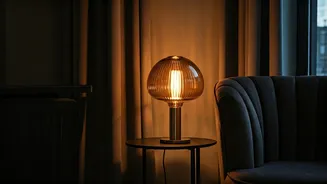
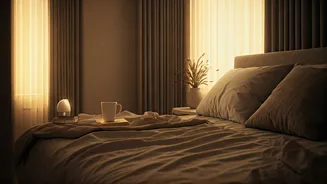
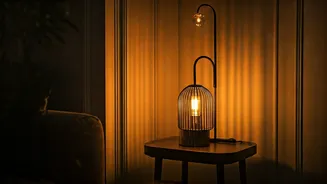
Beyond the biological benefits, the aesthetic and psychological impact is immediate. Warm light is inherently more inviting and comforting. It softens features, reduces harsh shadows, and bathes a room in a gentle, welcoming hue. Think of your favourite cozy cafe or a luxurious hotel lobby—they almost always use warm, layered lighting to create an atmosphere of relaxation and intimacy. Stark white light, in contrast, can feel sterile, cold, and unwelcoming. It can create a sense of anxiety or alertness, which is the opposite of what you want in a space meant for rest and connection. By using amber lights, you are essentially telling your mind and body that you are in a safe, comfortable sanctuary, which can help lower stress and improve your overall mood at home.
How to Choose the Right Bulb
Navigating the lighting aisle can be confusing, but you only need to know two key terms: Lumens and Kelvins. **Lumens (lm)** measure brightness. The higher the lumens, the brighter the light. This is a matter of personal preference and room size, but for ambient lighting, you don't need anything excessively bright. **Kelvins (K)** measure colour temperature. This is the crucial part. Stark, cool-white bulbs are typically 4000K and above. What you want for a warm, ambient feel is a bulb in the **2200K to 3000K** range. A 2200K bulb will give you a very warm, candle-like amber glow, perfect for bedside lamps. A 2700K bulb is a classic 'warm white' that’s versatile for living rooms and general use. A 3000K bulb is a bit brighter and whiter but still sits comfortably in the warm category. Look for these numbers on the box when you shop for your next set of LED bulbs.
A Simple Room-by-Room Strategy
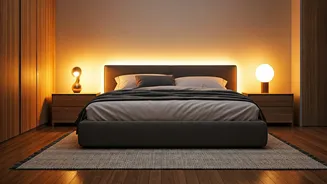
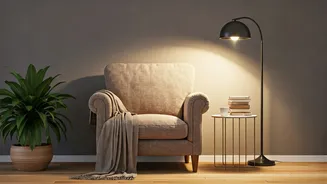
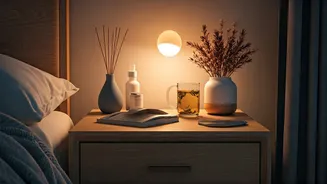
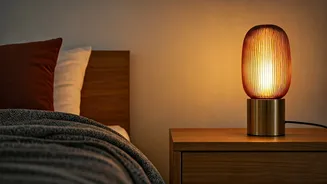
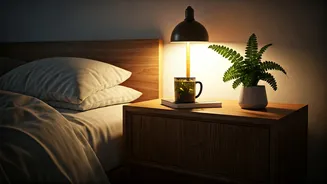
You don’t have to replace every bulb at once. Start strategically to get the most impact. **Living Room:** This is the heart of your home's ambiance. Use warm amber bulbs in floor lamps, table lamps, and any overhead fixtures on a dimmer. Layering different light sources creates depth and allows you to adjust the mood. **Bedroom:** This is a non-negotiable zone for warm light. A bedside lamp with a very warm 2200K bulb can act as a perfect wind-down signal, helping you disconnect from screens and prepare for sleep. **Dining Area:** Warm light over a dining table makes both food and company look better. It creates an intimate, restaurant-like atmosphere that encourages conversation to linger. **Where to Keep Brighter Light:** You don't have to eliminate cooler light entirely. 'Task lighting' in areas where you need to see clearly—like a study desk, a kitchen counter for chopping vegetables, or a bathroom mirror for grooming—can still use a brighter, more neutral light (around 3500K-4000K). The key is to separate the function of each light source.