





Beyond the Misty Veil
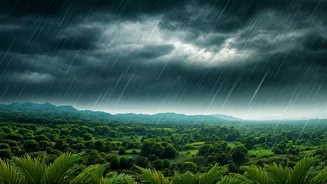
For many, a trip to a hill station is about postcard views, boating on the lake, and ticking off viewpoints. But when the monsoon arrives, many of these attractions take a backseat. The continuous drizzle and thick fog can feel limiting, but only if you’re
looking at the hills through a tourist’s checklist. The rain washes the landscape clean, leaving behind a world bursting with life. The scent of wet earth, the roar of a newfound waterfall, and the sight of clouds drifting into your room are sensory experiences that a sunny day can’t offer. This season pushes you to slow down and look beyond the surface, where the local way of life shines brightest. It’s a shift from seeing the sights to feeling the place.
A Taste of the Clouds
There is no comfort quite like hot food on a cold, rainy day. In the hills, this experience is elevated to an art form. This is the season for freshly roasted bhutta (corn on the cob), rubbed with lemon and spices, its smoky aroma filling the air. It’s the time for steaming hot momos, their delicate wrappers filled with vegetables or meat, served with a fiery chutney that cuts through the chill. In Himachal, you might find locals enjoying Siddu, a soft steamed bun with a savoury filling, or Babru, a crisp puri stuffed with black gram paste. These aren't just snacks; they are seasonal rituals. Enjoying a plate of hot pakoras or a bowl of spicy Thukpa from a small roadside stall while watching the rain is to taste the very essence of the monsoon.
The Rhythm of Renewal
The monsoon is not just a weather pattern; it's a cultural event. Across India's hill regions, the rains trigger unique festivals and traditions. In the Western Ghats, the landscape comes alive with celebrations like the Saputara Monsoon Festival or Goa's São João festival. In the Himalayan regions of Kumaon, the Harela festival marks the arrival of the rains and celebrates a new harvest. It’s a time when local deities are worshipped and communities come together. Daily life also finds a new rhythm. People spend more time indoors, working on crafts, sharing stories, and gathering in community spaces. This is when you'll find the most authentic interactions, far from the transactional nature of peak-season tourism.
Conversations in the Fog
The off-season nature of monsoon travel means fewer crowds. This quietness creates space for genuine connection. Instead of rushing between crowded spots, you have the time to sit in a local tea shop and chat with the owner, learning about their life in the hills. Opting for a homestay over a commercial hotel can offer an even deeper immersion. You get to eat home-cooked meals, learn about local customs firsthand, and understand how life adapts to the seasons. These conversations, held over cups of chai as the rain patters on a tin roof, often become the most cherished memories of a trip, offering insights that no travel guide can provide.
Embracing the Verdant Wild
The monsoon is also a time of incredible natural abundance, and local culture is deeply intertwined with this. Foraging for wild edibles is a common practice. In the Himalayas, people gather fiddlehead ferns, known locally as 'lingdu', to make delicious vegetable dishes. In other regions, unique monsoon mushrooms and greens find their way into local kitchens. Exploring a local market during this season reveals a different array of produce, from spiky teasel gourds to various tubers that are staples of the monsoon diet. Engaging with this aspect of local life—even just by trying a dish made from foraged greens—connects you to the land in a profound and immediate way.