




A small bedroom can feel like a puzzle with pieces that just don’t fit. But creating a space that is both functional and serene is possible. It’s not about having less, but about being smarter with your layout and unlocking hidden potential.
Plan Your Layout First
Before you
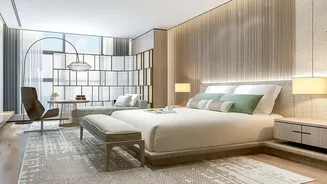
move a single thing, grab a tape measure and sketch your room. Note the dimensions, including the locations of doors, windows, and power outlets. The bed is your largest piece of furniture, so its placement is key. Centering it on the most visible wall, usually the one opposite the door, often creates a sense of symmetry and balance. Aim to leave at least 60-70 cm of walking clearance on the sides of the bed you use to get in and out. This simple planning step prevents the common mistake of buying furniture that's too large and makes the room feel cramped from the start.
Go Vertical: Think Up, Not Out
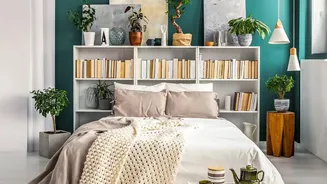
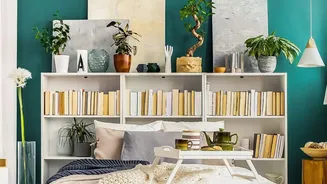
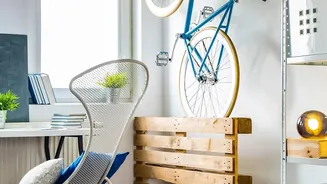
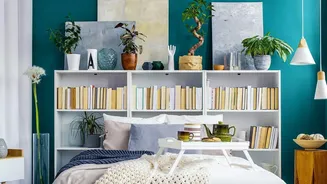
When floor space is at a premium, the only way to go is up. Your walls are your greatest untapped resource. Install floating shelves above your bed or desk for books and decor, which adds storage without taking up any floor space. A tall, narrow bookcase draws the eye upward, making the ceiling feel higher. For a truly space-saving solution, consider a wall-mounted desk that can be folded away when not in use. Even simple additions like decorative wall hooks can provide a stylish home for bags, scarves, and daily items, keeping them off the floor.
Choose Multi-Functional Furniture
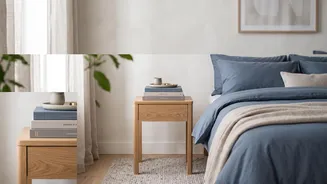
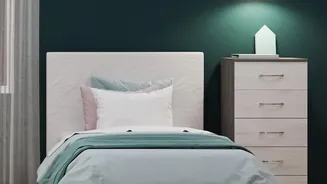
In a small bedroom, every piece of furniture should work hard. Multi-purpose furniture is a game changer for compact living, a trend seen across urban Indian homes. A bed with built-in storage, such as a hydraulic lift-up frame or large drawers, is perfect for stowing away seasonal clothing, luggage, and extra bedding. A storage ottoman at the foot of the bed can serve as seating, a footrest, and a hidden compartment. Some modern nightstands even come with built_in charging stations and lighting, reducing surface clutter.
Create the Illusion of Space
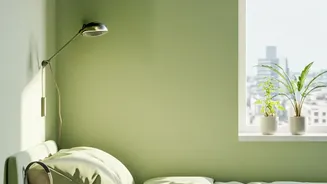
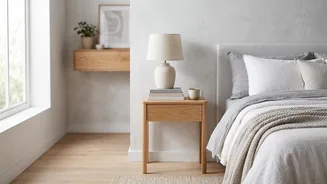
You can trick the eye into seeing a larger room with a few clever design choices. Using light paint colours on the walls—like soft whites, pale greys, or warm neutrals—reflects more light and makes a space feel airy and open. Mirrors are another powerful tool. Placing a large mirror opposite a window will bounce natural light around the room, instantly making it feel brighter and creating an illusion of depth. Even choosing furniture with raised legs, which allows you to see the floor underneath, can make the room feel less crowded and more expansive.
Rethink Your Wardrobe and Closet
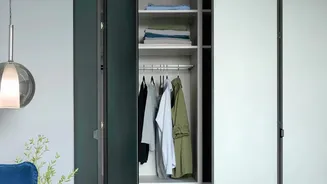
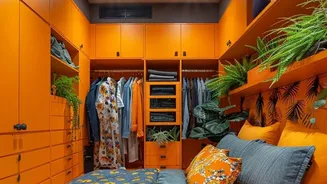
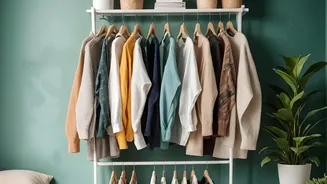
A cluttered closet can easily spill out into the bedroom. To maximize its potential, consider installing a closet organization system with drawers and extra shelves. Adding a second hanging rail below the first can double your capacity for shirts and trousers. The back of your closet or bedroom door is another oftenoverlooked storage spot; overthedoor organizers are perfect for shoes, accessories, or toiletries. For a sleek look that saves floor space, wardrobes with sliding doors are ideal, as they don't require clearance for doors to swing open. Mirrored wardrobe doors serve a dual purpose by also helping to make the room feel larger.