




An Earthy Monsoon Palate
The Indian monsoon is a season of sensory experiences—the smell of petrichor, the rhythmic drumming of rain, and, of course, the taste of specific foods. Across the country, the culinary response to the damp, cool weather is remarkably consistent: hot
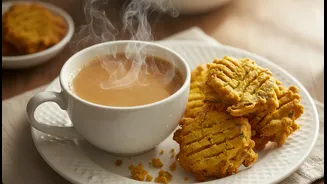
beverages, deep-fried snacks, and warm broths. These foods provide not just comfort but are often rooted in Ayurvedic wisdom, designed to aid digestion and boost immunity during a season when ailments are common. This is the familiar script of monsoon food culture. In Jharkhand, however, this script is given a fascinating twist, one that shifts the focus from the frying pan to the forest floor.
From the Forest to the Plate
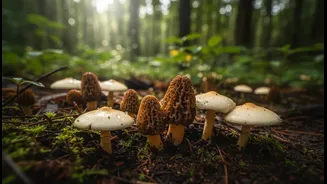
Jharkhand’s monsoon cuisine is a celebration of its natural ecosystem. The state, with its vast forest cover and rich tribal heritage, has a food culture deeply intertwined with the land. When the rains arrive, the forests of the Chota Nagpur Plateau come alive with a unique bounty that cannot be cultivated, only foraged. This is the essence of Jharkhand's twist: the monsoon here isn’t just about enjoying fried foods indoors, but about venturing out to gather the season's special gifts. It’s a culinary tradition based on hyperlocal, seasonal, and wild ingredients, reflecting a profound connection between the people and their environment.
The Elusive Star: Rugda
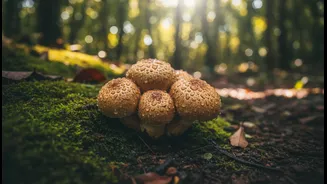
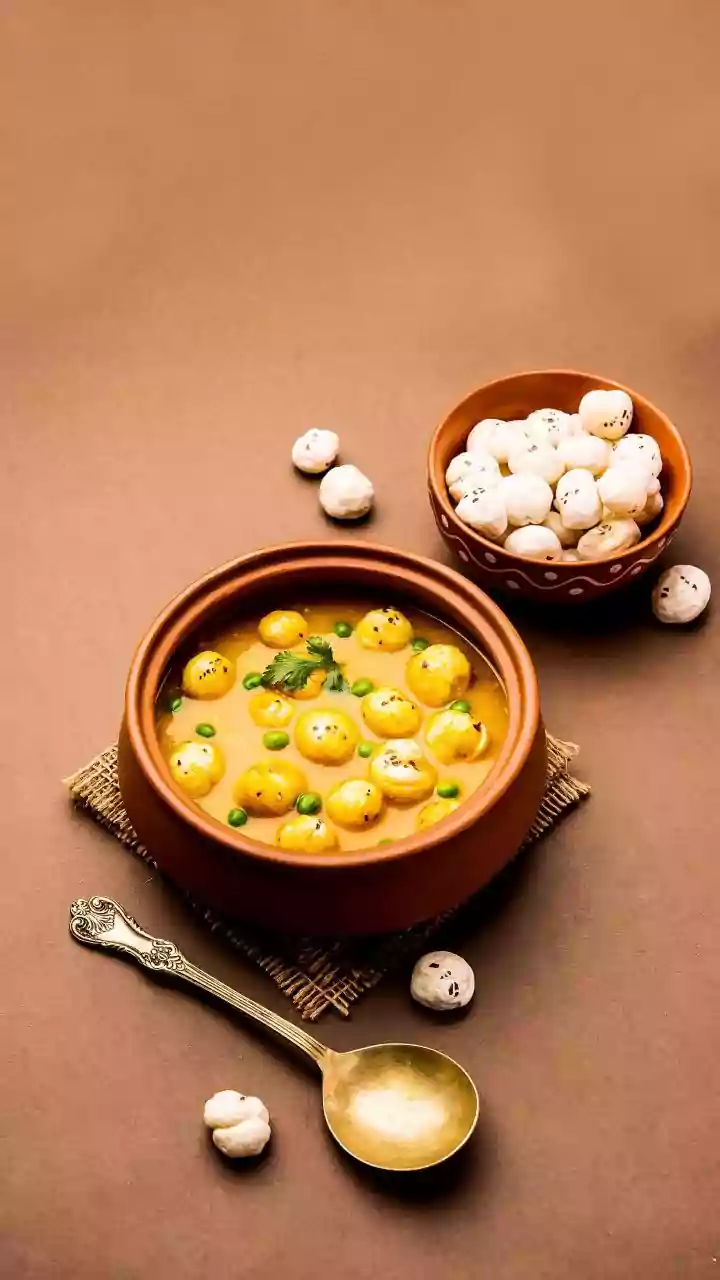
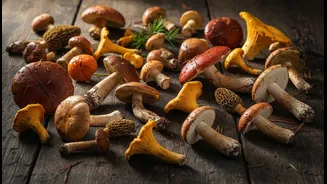
At the heart of this tradition is Rugda, a type of subterranean mushroom that is the undisputed star of the Jharkhand monsoon. Looking like small, mud-caked potatoes, Rugda grows wild in the roots of Sal trees and is harvested by tribal communities after the first few heavy showers. It’s often called the 'vegetarian mutton' for its chewy, meat-like texture and earthy flavour. Preparing Rugda is a beloved ritual. It is cleaned meticulously and then cooked into a rich, spicy curry, often with onions, garlic, ginger, and a blend of local spices. Finding Rugda in a local market is a sign that the monsoon has truly arrived, and its brief appearance makes it a coveted seasonal delicacy.
Beyond the Mighty Mushroom
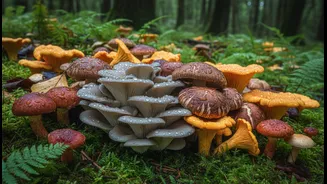
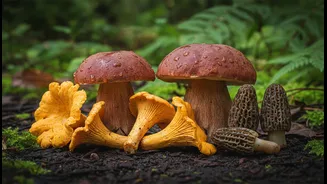
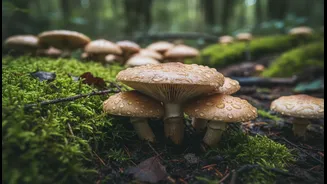
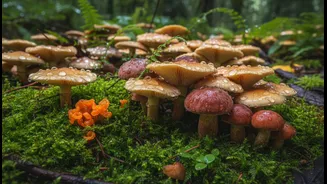
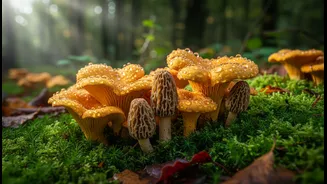
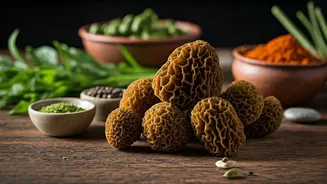
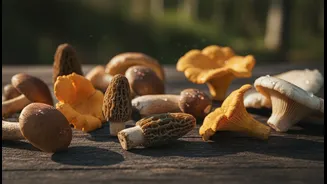
While Rugda may be the headliner, it’s far from the only monsoon speciality. The forests also yield 'khukdi,' another variety of wild mushroom that sprouts on wood and soil, each with its own distinct taste and texture. But the menu extends beyond foraged fungi. There’s Dhuska, a beloved all-season snack that becomes especially popular during the rains. It's a deep-fried pancake made from a fermented batter of rice and lentils, served hot with a spicy potato and chickpea curry (ghugni) or a simple tomato chutney. For a sweeter note, there is Arsa Pitha, a traditional sweet cake made of rice flour and jaggery, which is often prepared during festivals that fall within the monsoon period.
A Taste of Community
These foods are more than just sustenance; they are an integral part of Jharkhand's social and cultural fabric. The act of foraging for Rugda and khukdi is often a communal activity. The dishes themselves are central to family meals and community gatherings, reinforcing bonds over shared plates of earthy, flavourful curries. This food culture is a living library of traditional ecological knowledge—knowing which mushrooms are safe, where to find them, and how to prepare them is wisdom passed down through generations. It represents a sustainable way of life, one that finds abundance in nature’s cycles rather than trying to dominate them.