



Why Monsoon Makes Food Spoil Faster
The primary reason food spoils quicker during the monsoon is the combination of high humidity and warm temperatures. This moist, warm environment is the perfect breeding ground for bacteria, mould, and fungi. Microorganisms that cause foodborne illnesses,
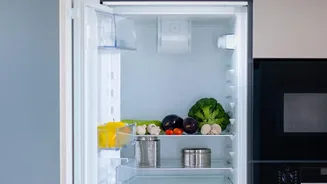
like E. coli and Salmonella, multiply rapidly in these conditions. According to the Food Safety and Standards Authority of India (FSSAI), the risk of food-related diseases increases significantly during the rainy season because the moisture in the air accelerates spoilage. Even your refrigerator has to work harder, and frequent door openings introduce humid air, making it tougher to maintain a safe, cool temperature inside.
The Two-Hour Rule is Now One Hour
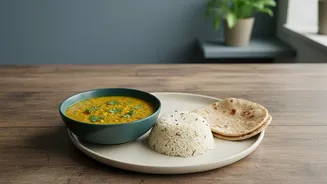
A universal food safety guideline is the 'two-hour rule': never leave perishable cooked food at room temperature for more than two hours. However, during the humid Indian monsoon, where temperatures can stay high, this window shrinks to just one hour. This applies to most home-cooked meals, including dal, curries, sabzis, cooked rice, and meat dishes. Bacteria grow fastest in the 'Danger Zone' between 4°C and 60°C. Leaving food on the counter for too long allows these bacteria to multiply to dangerous levels, often without any change in the food's smell or appearance.
Refrigerator Storage: A Monsoon Timeline
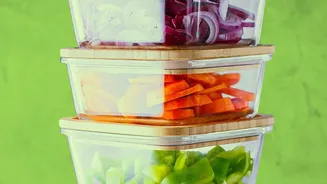
Once cooked, leftovers should be cooled quickly and refrigerated as soon as possible. Don't wait for them to cool completely on the counter. Storing food in shallow, airtight containers helps it cool faster. Given the challenges of the monsoon, storage times are shorter than in other seasons. Here are some general guidelines for a fridge set at 4°C or below: Cooked Rice & Dal: These are high-risk foods. Consume within 18-24 hours. Cooked rice can contain spores of a bacteria called Bacillus cereus, which survive cooking and can produce toxins if left at room temperature. Vegetable Sabzis & Curries: Dry preparations like bhindi or aloo fry can last 24-36 hours. Gravy-based curries should ideally be consumed within 24 hours. Rotis & Parathas: These can become mouldy quickly in high humidity. Store in a clean, dry container and use within 12-18 hours. Dairy (Paneer, Curd): Homemade curd should be finished within 24-48 hours. Fresh paneer is best consumed within a day. It's also a good practice to boil milk twice a day, even if refrigerated.
Freezing for a Longer Shelf Life
Freezing is an excellent way to preserve leftovers for longer, as it halts bacterial growth. Most cooked foods can be safely frozen for 3 to 4 months, although their texture and flavour might degrade over time. Ensure food is well-wrapped in airtight packaging to prevent freezer burn. When you need to use it, thaw it safely in the refrigerator, not on the kitchen counter. Food thawed in the microwave or in cold water should be cooked and consumed immediately.
The Correct Way to Reheat
Proper reheating is your final line of defence. It's not enough to just warm up the food; you need to kill any bacteria that may have grown. Reheat leftovers until they are steaming hot throughout, reaching an internal temperature of 74°C (165°F). Soups, dals, and gravies should be brought to a rolling boil. If using a microwave, cover the food and stir it midway to ensure even heating. It is best to avoid reheating food more than once, as the repeated cycle of cooling and heating can encourage bacterial growth.
When in Doubt, Throw It Out
You cannot always rely on your senses to detect spoiled food. Many harmful bacteria don't produce a bad smell or change the food's appearance. However, if you do notice any signs of spoilage, it's a clear signal to discard the food immediately. Be on the lookout for a sour or off smell, a slimy texture (especially in vegetables or cooked rice), any discolouration, or visible mould growth. Never taste food to check if it's safe. During the monsoon, it's always better to be cautious. If you are unsure how long something has been sitting out, throwing it away is the safest choice.