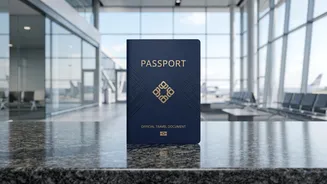




In a landmark move to simplify entry for international visitors, the Indian government has announced a major overhaul of its visa system. The complex web of 22 different visa categories has been consolidated into just nine, aiming to boost tourism and business.
Why the Big Change?
For years, prospective visitors to India navigated a complex system with over 22 visa types, each with its own specific eligibility criteria and documentation requirements. Categories ranged from standard tourist and business visas to niche permits for activities like mountaineering, attending conferences, or engaging in specific research. This complexity often led to confusion, delays, and uncertainty for applicants. The government's primary goal with this consolidation is to create a more transparent, efficient, and user-friendly framework. By streamlining the options, authorities hope to reduce processing times, eliminate ambiguity, and make India a more attractive destination for tourists, investors, students, and professionals alike. This move is part of a broader push to improve the 'ease of visiting' and bolster India's position as a global hub for commerce and culture.
Introducing the 9 New Visa Categories
The new system is organized around the primary purpose of travel, making it far more intuitive. The nine simplified categories are designed to cover nearly every type of visitor. The major new categories include:
1. Tourist Visa (T-Visa): This umbrella category now covers general tourism, recreation, sightseeing, and casual visits to meet friends and family.
2. Business Visa (B-Visa): A consolidated visa for all commercial activities, including attending business meetings, sales negotiations, setting up industrial or business ventures, and technical support.
3. Employment Visa (E-Visa): For individuals coming to India for skilled employment with an Indian company or on an intra-company transfer.
4. Student Visa (S-Visa): A single category for all foreign students enrolled in recognised educational institutions in India, from primary school to post-doctoral studies.
5. Medical Visa (M-Visa): For patients seeking medical treatment in India, along with an accompanying Medical Attendant Visa.
6. Project Visa (P-Visa): A new, broad category designed for those working on specific projects in the power and steel sectors, as well as for foreign faculty and researchers.
7. Diplomatic/Official Visa (D-Visa): Reserved for foreign government officials, diplomats, and representatives of international organizations.
8. Journalist Visa (J-Visa): Specifically for professional journalists and media personnel visiting India for work.
9. Entry Visa (X-Visa): A catch-all category for persons of Indian origin, spouses and children of Indian citizens, and for purposes not covered by the other categories, such as long-term yoga studies or internships.
What Happened to the Old Categories?
The previous system's 22+ categories have been merged or absorbed into the new, broader classifications. For example, the old conference visa, research visa, and certain short term work permits may now fall under the Business Visa or Project Visa, depending on the specific nature and duration of the visit. Similarly, the myriad of sub categories for tourism and family visits are now unified under the simple Tourist Visa. This consolidation means applicants no longer need to worry about choosing between highly specific and often overlapping options. The key is to identify the single primary purpose of your visit and apply for the corresponding visa. This change is expected to significantly reduce the number of applications filed under incorrect categories, a common issue that previously caused significant delays.
How Does This Affect My Application?
For the applicant, the immediate benefit is clarity. The online application portal is being updated to reflect these nine categories, guiding users to the correct choice with clearer descriptions. While the core requirements for documentation—such as letters of invitation for business or proof of admission for students—will remain, the process of selecting the right visa type is now straightforward. Government officials have indicated that this structural simplification will also enable faster backend processing. With fewer categories to manage, immigration authorities can standardize verification procedures and potentially leverage technology more effectively to speed up approvals. The goal is a seamless experience from application to arrival, ensuring that the first impression of India is one of welcome and efficiency, not bureaucratic hurdles. Travelers should still expect to provide detailed information about their itinerary and purpose of visit, but the framework for that information is now much simpler.