





A Shift in the Travel Landscape
While routes between major metropolitan areas still see the highest volume of traffic, the fastest growth is now happening on journeys to and from India's Tier-2 and Tier-3 cities. According to reports from online travel platforms, the demand for travel connecting
smaller towns is outpacing overall market growth, in some cases phenomenally. For instance, booking platforms report that a majority of their intercity bus bookings, sometimes as high as two-thirds, now originate from non-metro areas. This signifies a fundamental change in how and where Indians are travelling, moving beyond the traditional economic corridors to embrace a more interconnected national grid.
Paved with Opportunity: The Infrastructure Boom
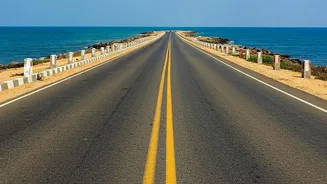
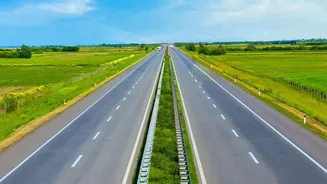
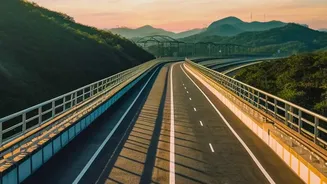
A key driver of this trend is the massive expansion of India's national highway network, which has grown by around 60% in the last decade to stretch over 146,000 kilometres. The focus on building wider, four-lane, and access-controlled highways has drastically reduced travel times and improved safety, making road journeys a more practical and comfortable alternative to trains or flights for many regional trips. Routes that were once gruelling overnight journeys are now manageable day trips, opening up new possibilities for weekend getaways, business travel, and family visits. This improved infrastructure is the backbone of the new mobility, making previously hard-to-reach destinations more accessible than ever.
Technology as the Great Connector
Better roads are only part of the story. The rise of digital booking platforms has been instrumental in organizing a largely fragmented market and making these new routes visible and accessible. Travellers in smaller towns can now use mobile apps to compare prices, check amenities, and book seats on a wide range of services, from basic buses to premium AC sleepers. This digital shift has brought thousands of smaller, offline operators into the formal economy and provided passengers with transparency and reliability. Features like real-time tracking, structured boarding points, and digital payments have transformed the user experience, building trust and encouraging more people to choose the bus.
The New Wave of Travellers
So, who is fuelling this boom? The profile of the new intercity traveller is diverse. It includes young people and Gen Z exploring offbeat leisure destinations, driving growth on routes like Delhi-Dehradun and Chennai-Puducherry. Pilgrimage travel is another major contributor, with routes to spiritual centres like Tirupati seeing significant and sustained growth, often driven by women, families, and senior citizens. Furthermore, rising disposable incomes and economic activity in Tier-2 and Tier-3 cities mean more small business owners, traders, and professionals are hitting the road for work, valuing the direct connectivity that buses provide where air and rail options are limited or inconvenient.
Economic Ripples in Smaller Towns
This increased connectivity is creating a powerful economic ripple effect. As more travellers arrive, local economies in smaller towns receive a significant boost. Hotels, restaurants, local shops, and handicraft sellers benefit from higher footfall and increased revenue. The trend signifies more than just convenience; it fosters balanced regional development by integrating smaller economic hubs with larger markets. For transport operators, these non-metro routes offer sustainable growth with high demand and often lower operating costs compared to congested metro corridors. This movement of people is effectively a movement of capital, bringing new opportunities to areas once considered remote.