







Beyond the 'Bulky' Myth
One of the most persistent myths keeping women away from the weights section is the fear of becoming 'bulky'. Let's clear this up: it is physiologically very difficult for women to build large, bulky muscles. Women have significantly lower levels of testosterone,
the primary hormone responsible for muscle hypertrophy, than men. Instead of bulking up, lifting heavy weights helps women develop a lean, strong, and toned physique. Strength training builds muscle, which is more metabolically active than fat. This means your body burns more calories even at rest, boosting your metabolism and aiding in long-term weight management. The 'toned' look many aspire to is a result of having muscle definition with a lower percentage of body fat—exactly what a consistent weightlifting routine helps achieve.
The Foundation of Functional Strength
Heavy lifting builds a type of strength that translates directly into everyday life. This 'functional strength' makes daily tasks—like carrying heavy groceries, lifting a suitcase into an overhead bin, or picking up a child—significantly easier and safer. Furthermore, strength training is crucial for building and maintaining bone density. As women age, they are more susceptible to osteoporosis, and weight-bearing exercises like squats and deadlifts are one of the most effective ways to combat this by stimulating bone growth. It also strengthens connective tissues and improves joint stability, which can help prevent injuries and alleviate chronic pain conditions like back pain and arthritis. A stronger body is a more resilient body.
More Than Muscle: The Mental Gains
The benefits of lifting weights extend far beyond the physical. The gym can be a powerful space for mental transformation. The act of progressively lifting heavier weights builds not just physical strength but also immense self-confidence and self-efficacy. Successfully completing a challenging lift provides a tangible sense of accomplishment that carries over into other areas of life. The focus and discipline required for each repetition can be a form of moving meditation, helping to reduce stress and anxiety. Studies show that resistance training is a powerful tool for boosting mood and improving mental resilience by prompting the release of endorphins, the body's natural 'feel-good' chemicals.
Designing Your Sustainable Lifestyle
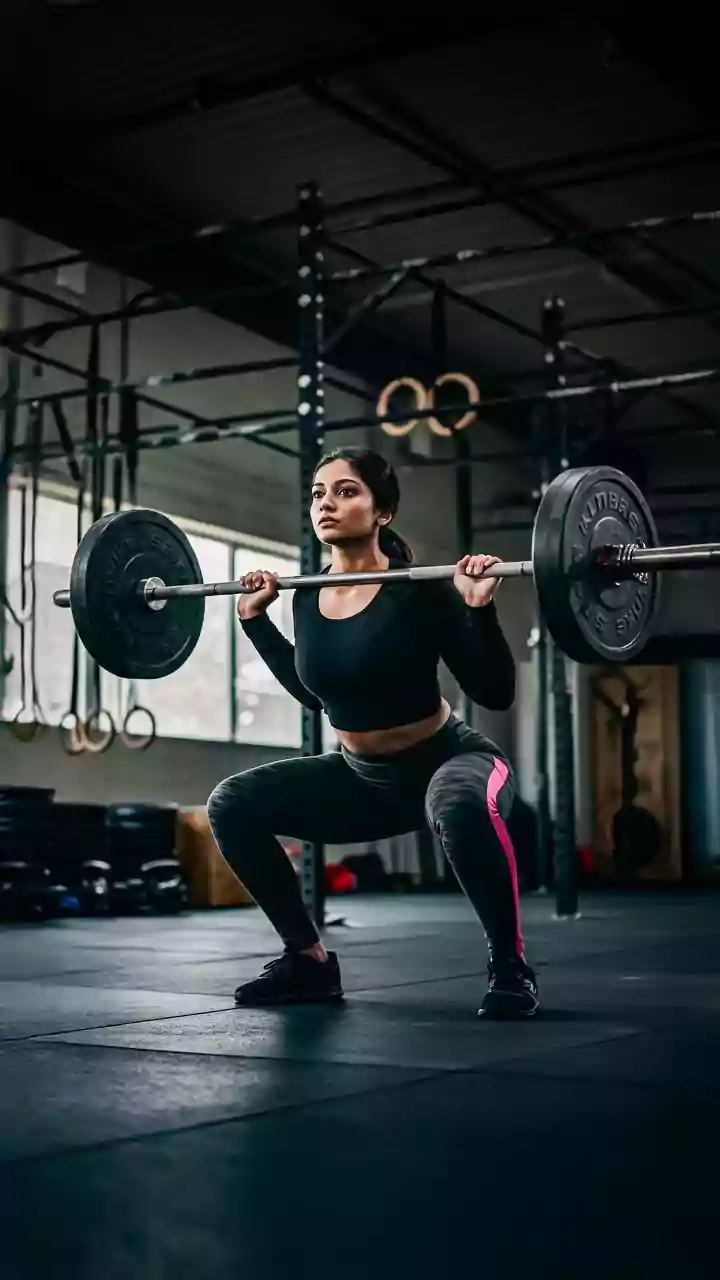
The key to long-term success is 'sustainability'. A balanced fitness lifestyle isn't just about spending hours in the gym. It's about creating a routine that works for you. 'Heavy' is a relative term; it means choosing a weight that is challenging for you while maintaining proper form. A good starting point is a full-body routine 2-3 times per week, focusing on compound movements like squats, deadlifts, presses, and rows. Equally important is what happens outside the gym. Proper nutrition, especially adequate protein intake, is vital for muscle repair and growth. Rest and recovery are non-negotiable; this is when your muscles actually rebuild and get stronger. Integrating weightlifting with other activities you enjoy, like yoga, dancing, or running, creates a holistic approach that you can stick with for life.
Finding Your Form and Community
In India, the sight of women in the weights section is becoming increasingly common, fostering a new sense of community. From online influencers like Bani J and Shweta Rathore to local gym groups, there's a growing network of support and inspiration. If you're starting, the most critical investment is in learning proper form. Bad form, not heavy weights, is what leads to injury. Consider hiring a certified coach for a few sessions to learn the fundamentals. Many gyms now offer female-only workshops or have trainers who specialize in teaching women to lift. Remember, you have every right to take up space in the weights section. Start with what you can manage, focus on consistency, and celebrate every small victory.