





It’s Not the Seat, It’s Your Body
The perfect seat is a myth because the 'perfect' body doesn't exist. Ergonomics teaches us that seat design is a game of averages, but comfort is deeply personal. Your height, weight, and body proportions are the true arbiters of comfort. A chair that’s
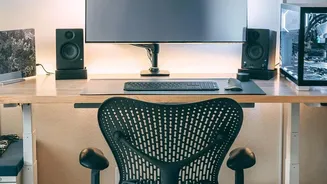
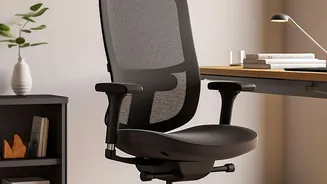
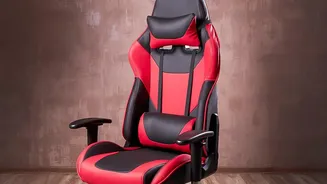
bliss for a tall person can cause discomfort for someone shorter if their feet dangle, putting pressure on the underside of their thighs and affecting circulation. Similarly, a seat depth that doesn’t allow you to sit back fully against the backrest fails to provide essential lumbar support, leading to slouching and back pain. An effective seat should adapt to the user. Adjustable components like lumbar support, seat height, and armrests are crucial in an office setting, allowing the chair to fit your specific shape. When you can't choose your chair, like on a flight, understanding your body’s needs helps you improvise with a rolled-up jacket for back support or a footrest to align your posture.
The Unrelenting March of Time
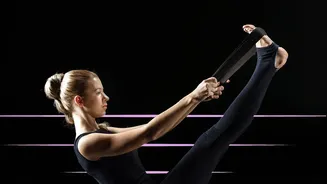
Even the most ergonomically advanced chair has an enemy: time. The human body is designed for movement, not for remaining static for hours. Prolonged sitting, no matter how well-supported, takes a toll. After a while, muscles that aren't engaged begin to weaken, and those that are holding your posture become fatigued. This leads to stiffness in your neck, shoulders, and back. More critically, extended sitting slows blood circulation, which can cause fluid to pool in your legs, creating discomfort and swelling. Studies on office workers show that spending over six hours a day sitting is linked to exhaustion, musculoskeletal pain, and other adverse health effects. This is why on a long-haul flight or during a marathon workday, the feeling of discomfort inevitably creeps in. The solution isn't a better cushion, but breaking the cycle of stillness. Regular movement—standing, stretching, or taking a short walk—is non-negotiable for resetting your body’s comfort clock.
The Social Squeeze of Neighbours
Comfort isn't just a physical state; it's also psychological. Your sense of well-being can be dramatically influenced by the person sitting next to you. The concept of personal space is a powerful, invisible force. When a stranger infringes on this territory, it can trigger stress and unease. This is especially true in cramped environments like economy class, where the battle for the armrest is a silent yet fierce negotiation of boundaries. More than half of flyers report that their seat neighbour often intrudes on their personal space. The behaviour of your neighbours—whether they are noisy, have a strong-smelling snack, or constantly get up—can turn a physically acceptable seat into a mentally exhausting one. While some travellers welcome small talk, unwanted conversation can also feel like an invasion of privacy. This social dimension explains why an identical seat can feel wonderful on an empty train but unbearable on a packed flight. Your comfort is, in part, held captive by the consideration (or lack thereof) of those around you.
Reclaiming Your Comfort Zone
While you can’t always change your seat, you can take steps to manage these three factors. First, know your body. If you have long legs, an aisle or exit row seat is worth the effort to secure. If you have a sensitive back, never travel without a small, dedicated lumbar pillow. Second, defy duration. Set a timer on your watch or phone to remind you to get up and stretch every hour. Even small movements like ankle circles and shoulder rolls while seated can help mitigate the effects of prolonged stillness. Finally, manage your neighbourhood. Noise-cancelling headphones are an essential tool for creating a bubble of auditory privacy. If a neighbour's behaviour is actively making you uncomfortable, such as physically spilling into your space, it’s okay to politely and discreetly speak with a flight attendant, who may be able to reseat you if the flight isn't full. Sometimes the best defence is a good offence: being a considerate neighbour yourself often encourages the same in return.