




Defining the Earthy Aesthetic
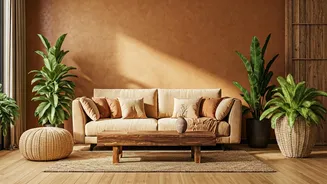
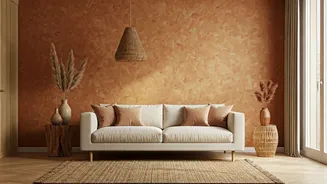
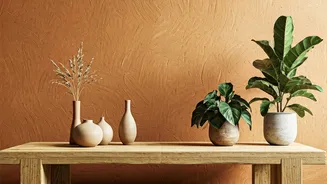
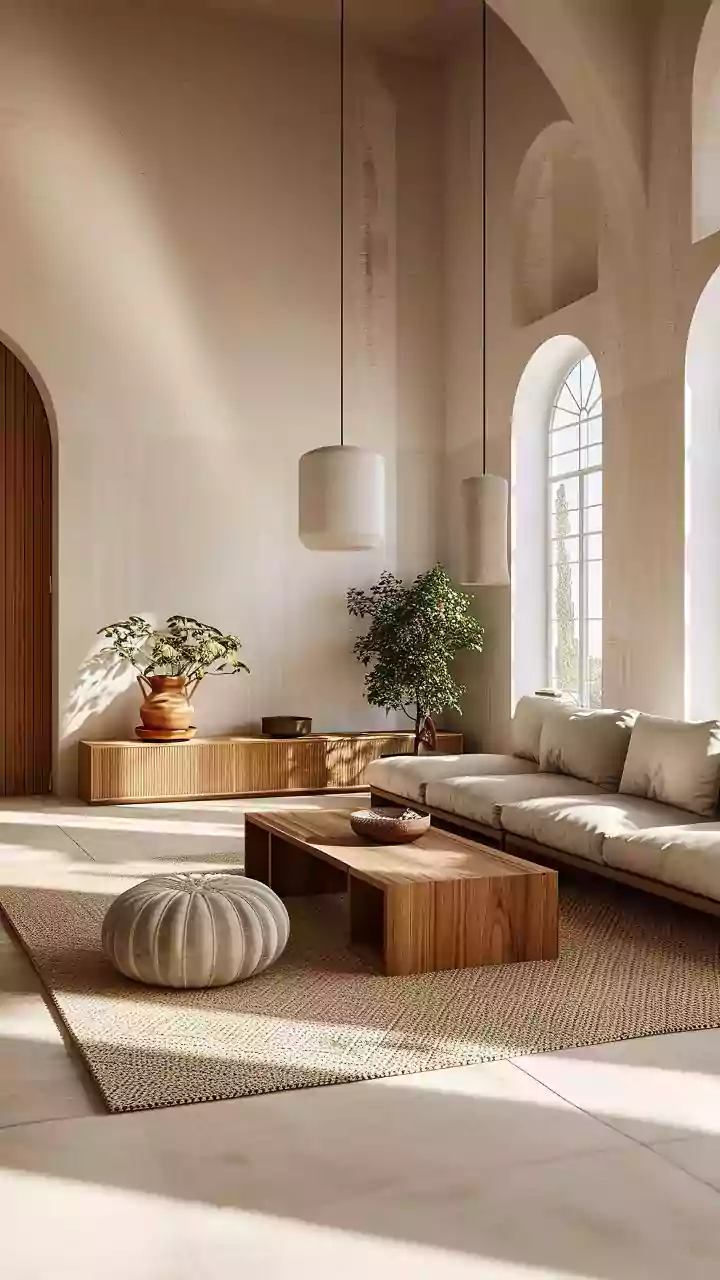
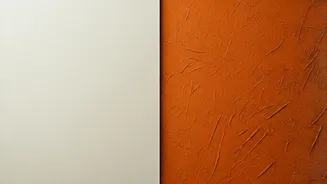
So, what exactly does this ‘Earthy Era’ look like? It’s a design philosophy rooted in nature. Think colour palettes that mimic a monsoon-drenched landscape: terracotta, ochre, rust, muted sage greens, and countless shades of beige and brown. The focus
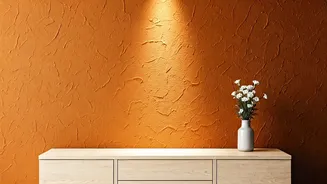
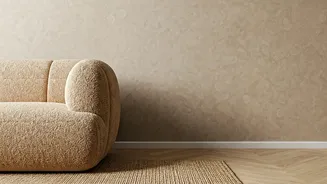
is on texture and imperfection. Walls are no longer just flat surfaces but canvases for lime wash or textured paint that catches the light in interesting ways. Furniture celebrates natural materials in their less-processed forms—the raw grain of teakwood, the intricate weave of a rattan chair, the subtle unevenness of a hand-thrown ceramic vase. It’s an aesthetic that feels lived-in from day one, prioritising a sense of calm and connection over stark, showroom-like perfection.
A Response to a Digital World
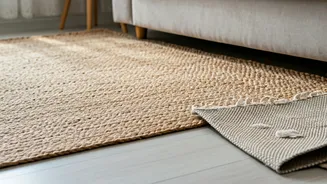
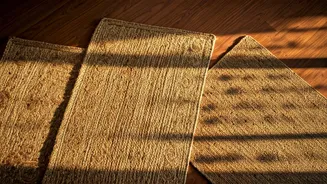
This shift isn't just about aesthetics; it's a deeply psychological one. After years spent in a hyper-digital, screen-saturated world, further accelerated by the pandemic, there is a collective yearning for the tangible. Our homes became our sanctuaries, and the desire for them to be calming, restorative spaces has never been stronger. The cold, impersonal feel of ultra-modernism, with its hard lines and glossy surfaces, can feel alienating. The earthy home is its direct antithesis. It’s a space that invites you to touch, to feel the roughness of a jute rug under your feet or the cool smoothness of a marble tabletop. It’s a conscious move away from the sleek, untouchable world of our phones and laptops towards a reality that is grounded and real.
Sustainability Becomes Style
The earthy trend also aligns perfectly with a growing consciousness around sustainability and mindful consumption. Homeowners are increasingly questioning where their furniture and decor come from. This new aesthetic champions locally sourced materials like bamboo, cane, clay, and indigenous woods. It puts a spotlight on artisanal and handcrafted objects, which not only support local economies but also come with a much smaller carbon footprint than mass-produced, imported goods. Choosing a handcrafted 'charpai' or a set of terracotta 'kulhads' is no longer just a rustic choice; it's a stylish and sustainable statement. This movement is about creating a home that is not just beautiful, but also kind to the planet.
A Modern Look at Indian Heritage
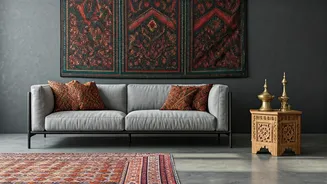
While this trend has global parallels (think 'Japandi' or 'boho-chic'), what makes the Indian version unique is its deep engagement with our own heritage. This isn't about creating a museum of traditional crafts but about reinterpreting them for the contemporary Indian home. Designers are using traditional techniques in modern ways: 'kalamkari' patterns on minimalist upholstery, Chettinad plaster techniques on a feature wall, or 'jali' patterns in laser-cut metal screens. It’s about celebrating the materials and craftsmanship that have been part of the subcontinent’s design vocabulary for centuries but giving them a fresh, relevant context. It reflects a newfound confidence in our own aesthetic identity, moving beyond simply replicating Western trends.
Inviting the Outdoors In
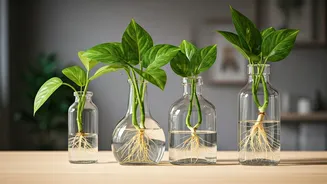
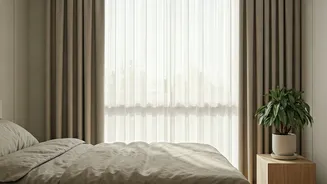
At its core, the earthy home is biophilic—it seeks to blur the lines between indoors and outdoors. This goes beyond just adding a few potted plants. It’s about maximising natural light with light, airy curtains made of linen or cotton. It’s about creating balconies and verandas that feel like true extensions of the living space, furnished with comfortable, weather-resistant seating. In urban apartments where a garden is a luxury, homeowners are creating lush green corners, vertical gardens, and herb patches on windowsills. The goal is to create a home that breathes, one that connects us to the natural rhythms of daylight and the changing seasons, providing a much-needed dose of nature in our concrete jungles.