




What Exactly Are AI Reading Bots?
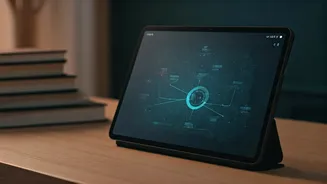
First, let's clear up the image of a physical robot sitting next to a child. These 'bots' are sophisticated software programs, often accessed through a tablet, computer, or smartphone. Think of them as an incredibly advanced reading app. Powered by artificial
intelligence and machine learning, these programs listen to a child read, analyse their performance in real-time, and adapt the learning material on the spot. They can detect pronunciation errors, track reading speed, and even gauge comprehension through interactive questions. The core idea is to provide the kind of one-on-one attention that can be challenging for a single teacher to offer in a classroom of 30 or more students.
The Magic of Custom Testing
The true innovation lies in the 'custom testing models'. This is a departure from the traditional weekly spelling test or chapter-end quiz where every student gets the same questions. Instead, the AI uses a method called 'adaptive assessment'. As a student reads or answers questions, the algorithm is constantly learning about their strengths and weaknesses. If a child struggles with words containing a specific phonetic blend, the AI will introduce more of those words in future exercises. If they are acing their comprehension quizzes, the system will increase the complexity of the texts. The 'test' is no longer a separate, stressful event; it's a continuous, integrated part of the learning process, generating a dynamic profile of the student's abilities.
The Promise of True Personalisation
For decades, educators have talked about the dream of personalised learning. AI bots are making it a scalable reality. For a student who is falling behind, the bot can provide extra support and repetition without the social pressure of being singled out in class. For an advanced learner who is often bored, the bot can provide challenging new material to keep them engaged. This frees up the teacher to focus on higher-level tasks: facilitating group discussions, providing emotional support, and teaching critical thinking skills that a machine cannot. The AI handles the mechanical aspects of skill-building, allowing the human teacher to be a more effective mentor and guide.
Data for Teachers, Not Just Scores
These AI systems also provide teachers with incredibly detailed dashboards. Instead of just seeing a final score of 8/10 on a quiz, a teacher can see exactly which two questions a student got wrong, how long they spent on them, and what specific reading skill this points to as a weakness. A teacher might learn that half her class is struggling with inferential questions, prompting her to plan a dedicated lesson on that topic. This data-driven approach allows for more targeted and efficient instruction, helping teachers make informed decisions about how to best support their pupils. It shifts the focus from simple grading to actionable insights.
Navigating the Challenges and Concerns
While the potential is enormous, the adoption of AI in education is not without its hurdles. The most significant is the digital divide. For these tools to be effective, every student needs access to a reliable device and a stable internet connection—a major challenge in many parts of India. There are also valid concerns about data privacy: who owns the vast amounts of student performance data being collected, and how is it being protected? Furthermore, there is a pedagogical risk. Over-reliance on these tools could potentially sideline the vital, unquantifiable role of human interaction in learning. An AI can teach phonics, but it can't inspire a lifelong love of stories in the same way a passionate teacher can.