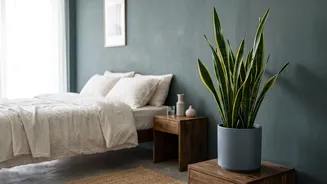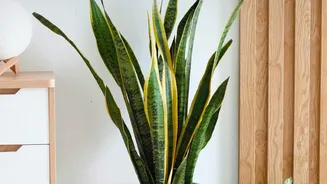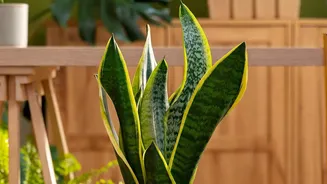





The Unbeatable Snake Plant (Sansevieria trifasciata)
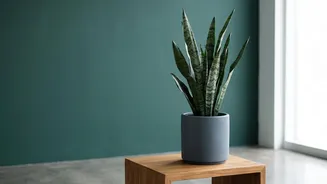
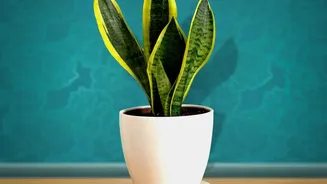
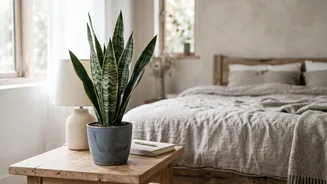
Often called nearly indestructible, the Snake Plant is a champion for beginner plant owners. Its stiff, upright leaves lend a modern architectural feel to any room. What makes it particularly special for a bedroom is its unique ability to perform a type
of photosynthesis that allows it to release oxygen at night. While most plants do this during the day, the Snake Plant helps maintain fresh air while you sleep. It is also known for its ability to filter common household toxins like formaldehyde and benzene. This plant thrives on neglect; it tolerates low light and prefers infrequent watering, making it the definition of low-maintenance.
The Elegant Peace Lily (Spathiphyllum wallisii)
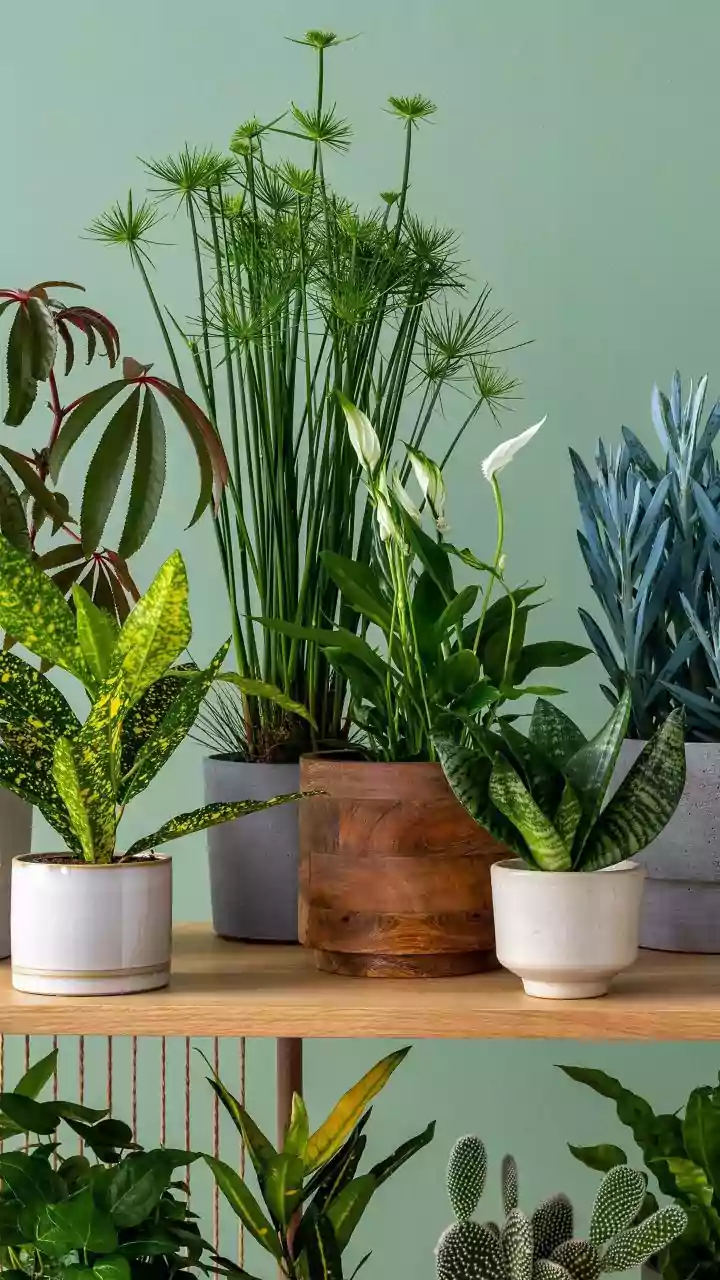
With its glossy dark green leaves and iconic white blooms that resemble flags of truce, the Peace Lily adds a touch of grace to any space. It’s a powerhouse when it comes to air quality, noted for its effectiveness in filtering pollutants like ammonia, benzene, and formaldehyde. The Peace Lily is also great for those who are still learning to read a plant's needs; its leaves will visibly droop when it's thirsty, taking the guesswork out of watering. It prefers shady spots and consistently moist soil, making it well-suited for rooms that don't get a lot of direct sun. Plus, it helps boost indoor humidity, which can be beneficial for breathing, especially during dry winter months.
The Prolific Spider Plant (Chlorophytum comosum)
The charming Spider Plant is one of the easiest and most adaptable houseplants you can grow. It’s particularly effective at clearing formaldehyde and xylene from the air. Its arching leaves and the tiny “spiderettes” that dangle from the mother plant make it a visually interesting addition. These plantlets can be easily replanted to create new plants, making it a gift that keeps on giving. The Spider Plant is also non-toxic, making it a safe choice for households with children and pets. It thrives in bright, indirect light but is forgiving of lower light conditions.
The Lush Areca Palm (Dypsis lutescens)
If you’re looking to make a bigger statement, the Areca Palm brings a lush, tropical feel indoors with its feathery, arching fronds. Beyond its good looks, this plant is an excellent natural humidifier. Through a high rate of transpiration, it can release a significant amount of moisture into the air, which can help combat the dryness caused by air conditioning or heating. A mature plant can release up to a litre of water vapour in a day. The Areca Palm also filters common airborne toxins like formaldehyde and xylene. It requires a bit more attention than a Snake Plant, preferring bright, indirect light and consistent moisture, but its air-purifying and humidifying benefits make it a worthy contender for a healthier bedroom.
A Note on Realism
The idea that houseplants can purify indoor air gained popularity from a 1989 NASA study. However, it's important to have realistic expectations. The study was conducted in small, sealed chambers, an environment very different from a typical home with natural ventilation. While plants do absorb pollutants, you would need a very large number of them—some studies suggest 10 to 100 plants per square meter—to match the air-cleaning rate of a building's ventilation system. Think of houseplants as a beautiful, natural supplement to a healthy indoor environment, not a substitute for good airflow and proper ventilation. They contribute to cleaner air, but their biggest impact comes from their ability to boost your mood and connect you with nature.