




Starting an exercise routine can feel daunting, especially when joint pain is a concern. But what if movement could be a source of comfort, not strain? The key is choosing the right activities that support your body, not punish it.
Understanding 'Low-Impact'
When you hear 'low-impact,'
it simply refers to exercises that don't put a jarring force on your joints. Unlike high-impact activities such as running or jumping, low-impact movements keep at least one foot on the ground or use a fluid motion. This minimizes stress on your knees, hips, ankles, and back. For beginners, or anyone with pre-existing stiffness or arthritis, making low-impact the foundation of your routine is the smartest way to build strength and endurance without risking injury or flare-ups.
The Power of Water: Swimming and Aerobics
Exercising in water is perhaps the most joint-friendly activity available. The natural buoyancy of water supports your body weight, taking significant pressure off your joints. For instance, when you're in chest-deep water, your legs only have to bear about a third of your body weight. This allows you to move more freely and with less pain, making it ideal for those with arthritis or recovering from an injury. Water also provides gentle, consistent resistance, which helps strengthen muscles without the need for weights. Whether you're swimming laps or joining a water aerobics class, the warm water often helps relax stiff muscles and improve circulation.
Cycling: Smooth and Stable
Whether on a stationary bike or outdoors, cycling is an excellent low-impact cardio workout that builds leg strength. The smooth, circular motion is much gentler on the knees and hips than walking or running. A stationary or recumbent bike is a great starting point, as it provides stability and allows you to control the resistance. Proper setup is crucial: adjust the seat height so your leg has a slight bend at the bottom of the pedal stroke to avoid straining your knees. Cycling not only boosts heart health but also strengthens the quadriceps and hamstrings, the key muscles that support and protect the knee joint.
Walking: Simple, Accessible, and Effective
Never underestimate the power of a good walk. It is one of the most accessible and effective forms of low impact exercise. To start, choose flat surfaces like a walking track or smooth trail to avoid uneven terrain that can challenge your joints. Focus on good posture and invest in supportive, cushioned shoes. Begin with short, 10 to 15 minute walks and gradually increase your duration as you feel more comfortable. As you progress, you can increase intensity by picking up your pace, not by adding jarring movements.
Strength Training: Build Your Support System
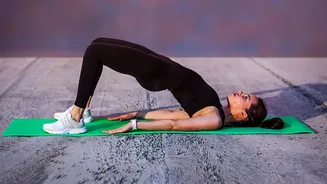
A common misconception is that strength training is bad for sore joints. In reality, building muscle is one of the best things you can do to protect them. Strong muscles act as shock absorbers and provide stability, taking pressure off the joints themselves. You don't need heavy barbells to get started. Bodyweight exercises like glute bridges (lying on your back and lifting your hips) and wall sits strengthen the glutes and quads with minimal knee stress. Resistance bands are another inexpensive and effective tool for adding challenge without impact. Focus on slow, controlled movements.
Mindful Movement: Tai Chi and Gentle Yoga
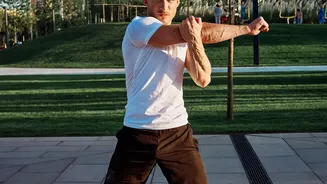
Practices like Tai Chi and gentle yoga are fantastic for improving balance, flexibility, and body awareness. Tai Chi, often described as 'meditation in motion,' involves slow, flowing movements that promote joint mobility and stability. Studies have shown it is effective at reducing fall risk and easing pain from conditions like osteoarthritis. Gentle or restorative yoga focuses on foundational poses and slow stretches, which can help reduce stiffness and improve your range of motion without demanding intense flexibility.