


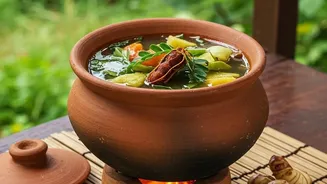

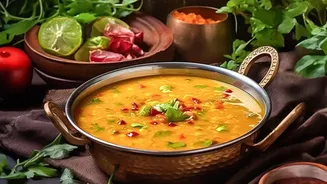
A Comforting Culinary Tradition
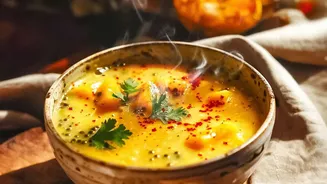
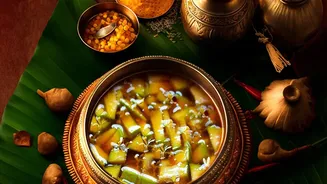
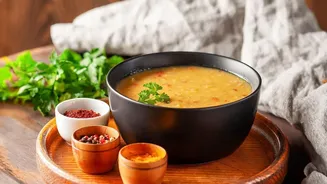
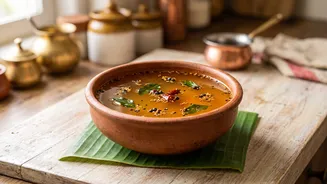
Across South India, rasam is more than just a soup; it's a culinary institution. This thin, aromatic broth, whose name derives from the word for 'essence' or 'juice', holds a special place in daily meals and is revered as a restorative dish during times
of illness. While there are countless variations, pepper rasam, or 'milagu rasam', is particularly sought after when coughs and colds appear. Its reputation as a go-to remedy is steeped in centuries of Ayurvedic wisdom, where food is often the first line of defense in maintaining health and treating common ailments. Often compared to how khichdi is used in North India for recovery, rasam is light, easy to digest, and packed with spices believed to offer healing properties.
The Pungent Power of Black Pepper
The star ingredient, black pepper, is what gives this rasam its signature warming heat and many of its reputed benefits. Black pepper contains a powerful compound called piperine, which is responsible for its sharp flavour. Traditionally, pepper is known to act as a natural decongestant, helping to clear nasal passages and alleviate chest congestion. Modern studies have explored these effects, noting piperine's anti-inflammatory properties and its potential to help soothe respiratory irritation. Some research even suggests piperine can help relieve bronchospasm, which supports its traditional use for coughs and breathing difficulties. Furthermore, black pepper is a source of Vitamin C, which is known to help boost the immune system. When you feel under the weather, this warming spice not only provides comfort but also stimulates digestion at a time when appetite might be low.
The Essential Tang of Tamarind
The second hero of this dish is tamarind, or 'puli', which provides the distinct sour and tangy base that balances the heat of the pepper. But its role goes beyond flavour. Tamarind is rich in antioxidants, including polyphenols and Vitamin C, which help the body fight cellular damage from free radicals. Traditionally, it has been used to aid digestion and support healthy bowel movements due to its fibre content. Some of its natural compounds also have recognised anti-inflammatory and antimicrobial properties. This combination of being a digestive aid and a source of antioxidants makes it a valuable component of a recovery meal, helping to gently detoxify the body while providing essential nutrients like potassium and magnesium.
A Symphony of Supporting Spices
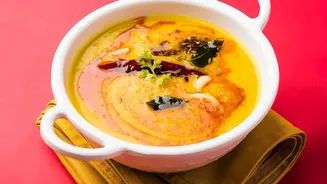
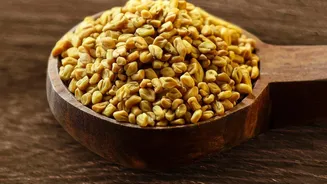
While pepper and tamarind are the headliners, rasam is a true ensemble piece. Other spices work in harmony to amplify both flavour and function. Cumin, or 'jeera', is another cornerstone, known for its earthy aroma and digestive benefits, helping to prevent bloating and gas. Garlic, often added for its pungent kick, is widely recognised for its immunity-boosting and anti-inflammatory properties. Turmeric contributes its vibrant colour and powerful anti-inflammatory compound, curcumin. A final tempering, or 'tadka', of mustard seeds, curry leaves, and asafoetida (hing) in hot ghee or oil is often poured over the rasam just before serving. This final step doesn't just add a layer of incredible aroma; it also incorporates the benefits of these final ingredients, from the antioxidant properties of mustard seeds to the digestive aid of asafoetida.
How to Best Enjoy Pepper Rasam
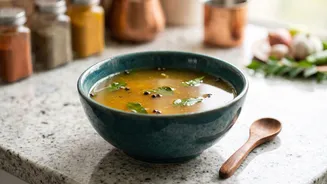
Unlike thicker soups or lentil dishes like sambar, rasam is a light, watery broth. During flu season, it is often sipped warm on its own from a cup or small bowl, allowing the soothing heat and aromatic vapours to provide immediate relief for a sore throat and stuffy nose. Studies have shown that sipping hot fluids can temporarily speed up nasal mucus clearance, providing subjective relief from congestion. For a more substantial meal, especially when appetite is returning, it is poured over a mound of hot, fluffy rice, sometimes with a dollop of ghee. This simple combination is easy on the stomach, hydrating, and deeply comforting, making it the perfect meal to nourish the body back to health.